
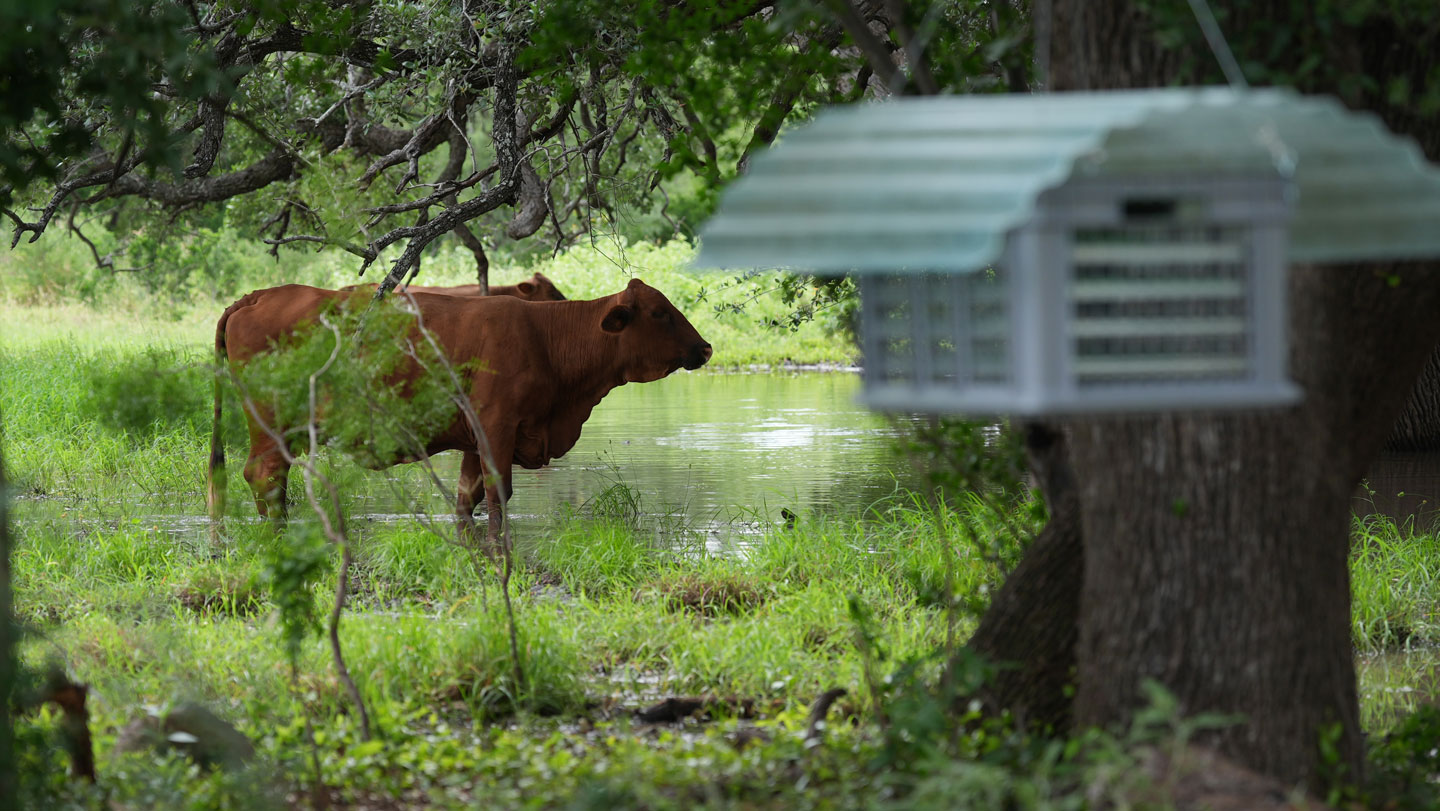
The New World screwworm (*Cochliomyia hominivorax*), a parasitic fly whose maggots burrow into living tissue, has been confirmed in Florida after a 40-year absence, according to the U.S. Department of Agriculture (USDA). As of May 2024, at least 14 animals—including cattle, deer, and domestic pets—have tested positive for the infestation in the Florida Keys, marking the first detection in the continental U.S. since the parasite’s near-eradication in the 1980s.
Eradication efforts are already underway, but officials warn the process could take more than a year. The USDA’s Animal and Plant Health Inspection Service (APHIS) has declared a federal quarantine zone in the Florida Keys and is deploying sterile insect technique (SIT) releases—where male flies are sterilized and released to disrupt reproduction—as part of a coordinated response. Meanwhile, livestock owners are advised to monitor animals for signs of infestation, such as open wounds or unusual behavior.
What makes this outbreak particularly concerning is the screwworm’s rapid spread and devastating impact on livestock, which could disrupt food supplies and cost farmers millions in losses. Unlike other fly species, screwworms lay eggs directly on open wounds, and their maggots feed on living tissue, often leading to death if untreated. The last major outbreak in the U.S. occurred in the 1950s, prompting a successful eradication program that relied on mass releases of sterile flies and rigorous surveillance.
Why Is the New World Screwworm a Threat?
The New World screwworm is not just a nuisance—it is one of the most destructive parasites affecting livestock and wildlife. According to the Food and Agriculture Organization (FAO), a single infestation can kill an animal within days if left untreated. The USDA estimates that without intervention, the parasite could spread across Florida and into neighboring states, threatening cattle, horses, and even pets.
Unlike Old World screwworms (found in Africa and Asia), which primarily affect dead tissue, New World screwworms target living hosts. Their life cycle is rapid: eggs hatch within 12 hours, and larvae mature in just 5–7 days, allowing for explosive population growth. Historically, outbreaks in the U.S. led to the death of tens of thousands of livestock annually before eradication programs were implemented.
Dr. David Redding, a veterinary entomologist at the University of Florida, noted in a recent statement that the current detection in Florida is “a wake-up call.” He emphasized that the parasite’s return highlights the fragility of eradication efforts and the need for vigilance in monitoring wildlife and livestock.
How Did the Screwworm Return to the U.S.?
The exact origin of this outbreak remains under investigation, but experts point to several possible pathways. The most likely scenario, according to APHIS, is that the screwworm was reintroduced through illegal movement of infected animals or materials from Central or South America, where the parasite remains endemic. Florida’s warm climate and dense wildlife populations—including feral hogs and deer—provide ideal conditions for the fly to thrive.

Historically, the U.S. eradicated the screwworm through a combination of SIT and aerial releases of insecticides. The last known case in the continental U.S. was in 1982, when a single infestation was detected in Texas and quickly contained. Since then, the USDA has maintained a surveillance program, but funding cuts in recent years have raised concerns about gaps in monitoring.
A 2023 report by the Government Accountability Office (GAO) warned that reduced budgets for agricultural pest control could increase the risk of reintroductions. The current outbreak underscores those concerns, as APHIS has already requested additional funding to expand its response.
What’s Being Done to Eradicate the Screwworm?
APHIS has activated its emergency response plan, which includes:
- Quarantine zones: A 1,000-square-mile area in the Florida Keys is now under quarantine, restricting the movement of livestock and potentially infected materials.
- Sterile insect technique (SIT): Millions of sterile male screwworms are being released daily to mate with wild females, preventing reproduction. This method has been used successfully in Mexico and other regions.
- Public reporting: Farmers, veterinarians, and the public are encouraged to report suspected cases through the USDA’s reporting system.
- Treatment protocols: Infected animals are treated with insecticides, and wounds are cleaned to prevent further infestation.
Dr. Jose Briceno, director of the USDA’s Center for Screwworm Eradication, told reporters that “every hour counts” in containing the outbreak. He estimated that if the response is successful, the parasite could be eradicated within 12–18 months, but delays could extend the timeline significantly.
In the meantime, Florida’s agriculture industry is on high alert. The state’s cattle industry alone is worth over $1.2 billion annually, and any disruption could have ripple effects on meat prices nationwide. The Florida Department of Agriculture has issued advisories urging livestock owners to inspect animals for wounds and report any unusual activity.
What Happens If Eradication Fails?
If the screwworm establishes a permanent foothold in the U.S., the economic and ecological consequences could be severe. Historically, outbreaks in the 1950s led to:
- Over 50,000 cattle deaths in Texas alone.
- Millions of dollars in lost productivity for ranchers.
- Disruptions to international trade, as other countries may impose restrictions on U.S. livestock exports.
Dr. Helen Swanson, a public health expert at the CDC, noted that while screwworms do not directly infect humans, they pose indirect risks. “Open wounds in livestock can become breeding grounds for other pathogens,” she explained, adding that the parasite’s presence could exacerbate existing zoonotic disease concerns.
To mitigate risks, the USDA is collaborating with state agencies, universities, and private sector partners. The University of Florida’s Institute of Food and Agricultural Sciences (IFAS) is assisting with surveillance, while companies like ElDuro, a biopesticide manufacturer, are exploring additional chemical treatments.
How Can Livestock Owners Protect Their Animals?
Owners are advised to take the following precautions:

- Inspect animals daily: Check for open wounds, especially after calving or branding.
- Use fly repellents: Products containing permethrin or deltamethrin can deter screwworms.
- Report suspected cases: Contact local APHIS offices or use the USDA’s reporting tool immediately.
- Avoid moving animals: Do not transport livestock across state lines without prior approval from APHIS.
The USDA has also established a dedicated hotline (1-866-4USDA-APHIS) for questions about the outbreak.
What’s Next: Key Updates and Deadlines
The next critical checkpoint is the June 15, 2024, USDA briefing, where officials will provide an update on the sterile insect releases and quarantine expansion. APHIS has also announced plans to expand SIT operations to nearby counties if the infestation spreads.
In the longer term, Congress is expected to review funding for agricultural pest control programs, with hearings scheduled in the fall. Meanwhile, the Florida Department of Agriculture will host a public forum on July 10 to discuss local response efforts.
For the latest official updates, visit:
Have questions about the screwworm outbreak or how to protect your livestock? Share your concerns in the comments below, and don’t forget to follow World Today Journal for ongoing coverage.