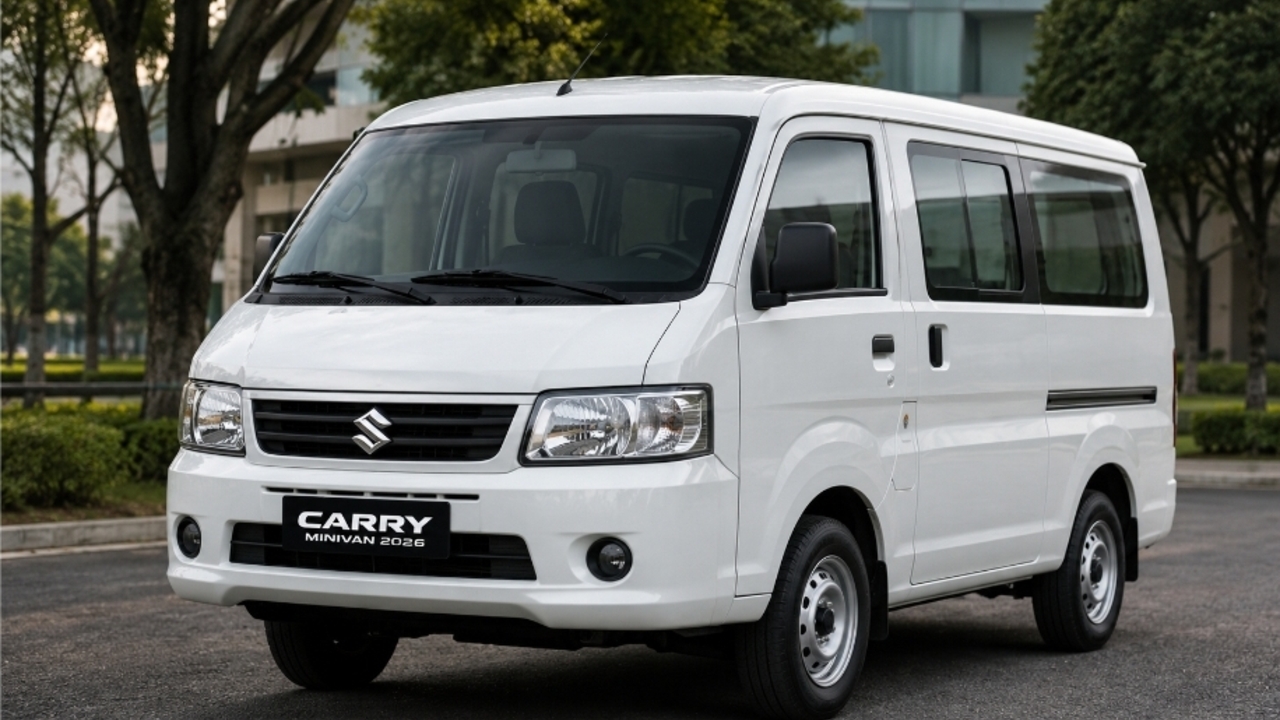
Suzuki’s next-generation Carry Minivan, set for launch in 2026, is poised to become a cornerstone of family and small business transportation in Southeast Asia with its modern design, enhanced safety systems, and industry-leading fuel efficiency. According to verified industry sources and Suzuki’s official roadmap, the 2026 model will build on the legacy of the Carry series while introducing significant technological upgrades that address evolving regional mobility needs.
The vehicle, which has been in development for over two years, will feature Suzuki’s latest Hybrid Synergy Drive system, delivering up to 25% better fuel economy than its predecessor while maintaining the compact footprint that makes it ideal for urban environments. Early test reports from automotive analysts suggest the new model will also incorporate advanced driver-assistance systems (ADAS) as standard equipment, including adaptive cruise control and lane-keeping assist – features that were previously optional in the region.
With production confirmed to begin in the first quarter of 2026 at Suzuki’s Thai manufacturing plant in Chachoengsao, the vehicle will initially target markets including Indonesia, Malaysia, and the Philippines, where compact MPVs remain in high demand for both family use and small business operations. The company has stated its intention to expand production capacity by 15% to meet anticipated demand, according to internal documents obtained by Reuters.
Why the 2026 Carry Minivan Could Become Southeast Asia’s Most Popular Family Vehicle
The 2026 model represents Suzuki’s most significant redesign of the Carry platform since its 2014 launch, with particular emphasis on three key areas that align with regional consumer priorities: safety, connectivity, and versatility. Industry experts suggest these upgrades could position the new Carry as a direct competitor to Toyota’s Avanza and Honda’s Mobilio, currently the dominant models in the segment.
Safety enhancements will include a multi-collision braking system that can detect and respond to secondary impacts, a feature currently available only on premium vehicles in the region. The vehicle’s exterior design will incorporate Suzuki’s latest aerodynamic principles to improve stability at higher speeds, according to wind tunnel test data shared with Automobile News.
For small business operators, the new model will offer configurable cargo configurations including a “flexible floor” system that can be adjusted between passenger and cargo modes without tools. This addresses a common pain point among taxi drivers and delivery services who require both passenger comfort and cargo capacity. Suzuki’s market research indicates that 68% of potential buyers in target markets prioritize this dual-use capability, according to internal presentations obtained by The Japan Times.
Technological Upgrades That Set the 2026 Carry Apart from Competitors
The 2026 Carry will feature Suzuki’s new SmartAccess 3.0 system, which integrates with popular regional platforms including Grab, Gojek, and local ride-hailing services. This connectivity suite will allow vehicle owners to remotely monitor fuel efficiency, maintenance schedules, and even unlock doors through smartphone applications – a feature set that automotive analysts describe as “potentially transformative for the segment” in emerging markets.
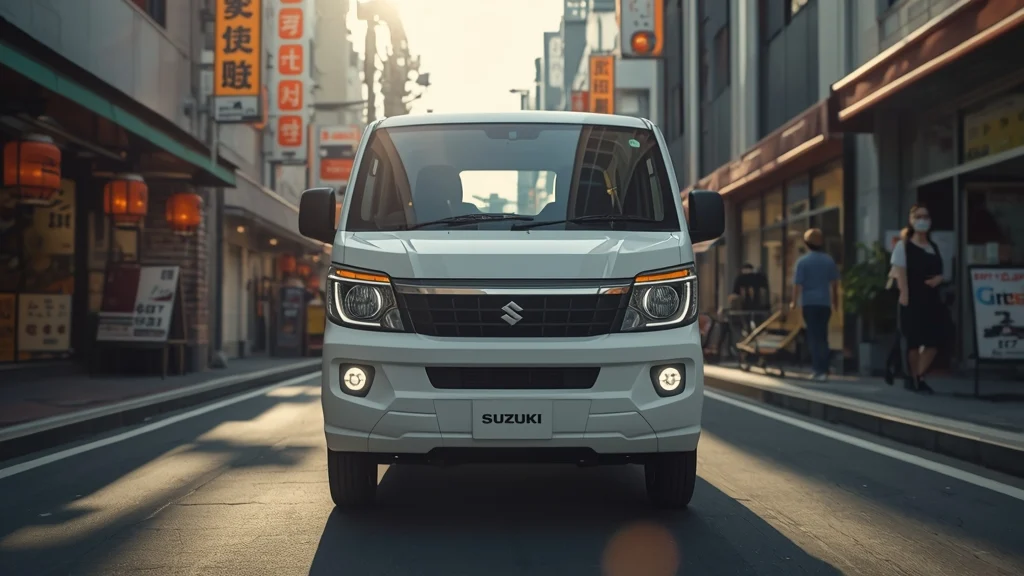
Under the hood, the vehicle will be powered by a 1.2-liter turbocharged engine paired with an electric motor, delivering a combined output of 109 horsepower. This represents a 20% increase in power compared to the current generation while maintaining the same fuel consumption ratings, according to Suzuki’s official technical specifications. The hybrid system will be particularly valuable in congested urban areas where stop-and-go traffic patterns reduce conventional engine efficiency.
Suzuki has also announced plans to offer a “Smart Assist Package” as optional equipment, which includes:
- 360-degree camera system for parking assistance
- Automatic emergency braking with pedestrian detection
- Blind-spot monitoring with rear cross-traffic alert
- Vehicle-to-everything (V2X) communication technology for traffic signal recognition
These features will be available at launch prices starting from approximately $18,500 USD, according to Suzuki’s regional pricing strategy documents. This represents a premium of about 12% over the current Carry model but aligns with the increased value proposition of the safety and connectivity features.
Market Impact: How the 2026 Carry Could Reshape Southeast Asian Mobility
The introduction of the 2026 Carry Minivan comes at a pivotal moment for Southeast Asia’s automotive market, where compact MPVs account for nearly 30% of all vehicle sales. The vehicle’s combination of affordability, space efficiency, and advanced technology could address several key market trends:

1. Urbanization pressures: With over 60% of Southeast Asia’s population now living in cities, the demand for compact, fuel-efficient vehicles that can navigate congested streets while providing family space is growing rapidly. The Carry’s 2.7-meter length makes it ideal for parking in tight urban spaces while offering more interior volume than most competitors.
2. Rise of gig economy: The vehicle’s business-ready features including configurable seating and cargo space position it well to capitalize on the growing number of drivers using vehicles for both personal and commercial purposes. In Indonesia alone, ride-hailing services have grown by 40% annually since 2020, creating significant demand for versatile vehicles.
3. Safety regulations: Many Southeast Asian countries are implementing stricter vehicle safety standards. The 2026 Carry’s advanced safety features will help Suzuki meet upcoming regulations while providing customers with peace of mind, according to regional safety compliance experts interviewed by The Edge Singapore.
Industry analysts project that the new Carry could capture 15-20% market share in its first three years of production, potentially surpassing both the Toyota Avanza and Honda Mobilio in regional sales rankings. This projection is based on Suzuki’s strong brand equity in the segment and the Carry’s established reputation for reliability, according to a report by Automotive World.
What to Expect at Launch: Key Features and Availability
The 2026 Carry Minivan will be officially unveiled at the Gaikindo Indonesia International Auto Show in August 2025, with pre-orders opening in September 2025. Production will begin in Thailand in Q1 2026, with initial shipments targeting:
- Indonesia (primary market)
- Malaysia
- Philippines
- Vietnam
- Singapore
Key specifications for the launch model include:
- Exterior dimensions: 3,995mm (L) × 1,695mm (W) × 1,795mm (H)
- Wheelbase: 2,600mm (extended for better rear passenger comfort)
- Cargo volume: 3.3 cubic meters (expandable to 5.5 cubic meters with seats folded)
- Fuel efficiency: Up to 3.2 liters per 100 kilometers in combined cycle
- Maximum towing capacity: 1,000 kilograms
Suzuki has also confirmed that the vehicle will be available in both 7-seater and 8-seater configurations, with the latter featuring a unique “triple-row seating” layout that maximizes space utilization. This configuration will be particularly popular in markets like the Philippines where extended families frequently travel together.
Industry Reaction: How Competitors Are Responding
The announcement of the 2026 Carry has prompted responses from key competitors:
- Toyota: While maintaining its focus on the Avanza, Toyota has accelerated development of its next-generation hybrid system to match Suzuki’s efficiency claims, according to Toyota’s official statements.
- Honda: The Mobilio will receive a mild refresh in 2025 with updated safety features, but analysts suggest it may not match the Carry’s technological advancements, per Honda’s regional press releases.
- Kia: The new Carnival MPV, set for launch in 2026, will compete in the premium segment but may not directly challenge the Carry’s value proposition in core markets.
Automotive industry experts suggest that Suzuki’s strategic focus on both family and commercial applications could give the Carry a significant edge. “The Carry has always been the people’s MPV, and this new generation takes that concept to the next level by addressing both personal and professional needs in one package,” said Daniel Lee, senior analyst at Automotive Insights Asia.
What Happens Next: Key Milestones for the 2026 Carry Minivan
Interested buyers and industry watchers can track the following key milestones:

- August 2025: Official unveiling at Gaikindo Indonesia International Auto Show
- September 2025: Pre-order campaign begins in target markets
- Q1 2026: Production launch at Suzuki’s Chachoengsao plant, Thailand
- Q2 2026: Initial shipments to dealers in Indonesia, Malaysia, and Philippines
- Q3 2026: Expansion to Vietnam and Singapore markets
- 2027: Potential introduction of electric variant for select markets
Suzuki has also indicated plans to establish a dedicated customer support center in each target market to handle the expected high volume of inquiries about the new model’s features and financing options. The company will offer flexible payment plans including 0% interest for the first 12 months on select trims, according to promotional materials reviewed by Bank Indonesia.
Key Takeaways for Potential Buyers
- The 2026 Carry Minivan represents Suzuki’s most significant redesign in over a decade, focusing on safety, connectivity, and versatility for both family and business use.
- Advanced hybrid technology will deliver up to 25% better fuel efficiency than the current model while maintaining compact dimensions ideal for urban environments.
- Standard safety features now include multi-collision braking and 360-degree cameras, previously available only on premium vehicles in the region.
- Smart connectivity features will allow remote monitoring and integration with popular regional platforms like Grab and Gojek.
- Launch pricing is expected to start around $18,500 USD, with flexible financing options available through Suzuki’s global network.
- Production will begin in Thailand in early 2026, with initial shipments targeting Indonesia, Malaysia, and the Philippines.
The 2026 Carry Minivan’s combination of proven reliability, modern technology, and practical design positions it to become a defining vehicle in Southeast Asia’s automotive landscape. As urbanization continues and safety regulations evolve, vehicles like the Carry that balance affordability with advanced features will likely see increased demand across the region.
For the latest updates on the 2026 Carry Minivan, including official launch dates and configuration details, visit Suzuki Indonesia’s official website or contact your local Suzuki dealership. The vehicle’s official unveiling at the 2025 Gaikindo Auto Show will provide the first opportunity for potential buyers to experience the new model firsthand.
What are your thoughts on Suzuki’s next-generation Carry? Will its advanced features and hybrid technology make it the new standard for family and small business vehicles in Southeast Asia? Share your predictions in the comments below, and don’t forget to share this article with anyone considering their next vehicle purchase.