Iran has confirmed the collapse of technical negotiations with the United States over the release of $6 billion in frozen assets, according to Iranian officials quoted by state media. The funds—blocked since 2018 under U.S. sanctions—were part of a 2015 nuclear deal agreement that allowed Tehran to access restricted financial resources in exchange for compliance with international inspections. With talks now deadlocked, the future of the money and the broader Iran nuclear program remains uncertain.
The breakdown comes as indirect negotiations between Iran and the U.S. have failed to bridge key differences, including Washington’s demands for stricter verification measures and Tehran’s insistence on sanctions relief before resuming full compliance with the 2015 Joint Comprehensive Plan of Action (JCPOA). The $6 billion figure—reported by multiple sources including the Reuters and BBC—refers to funds Iran claims were wrongfully seized and should have been released under the original deal terms.
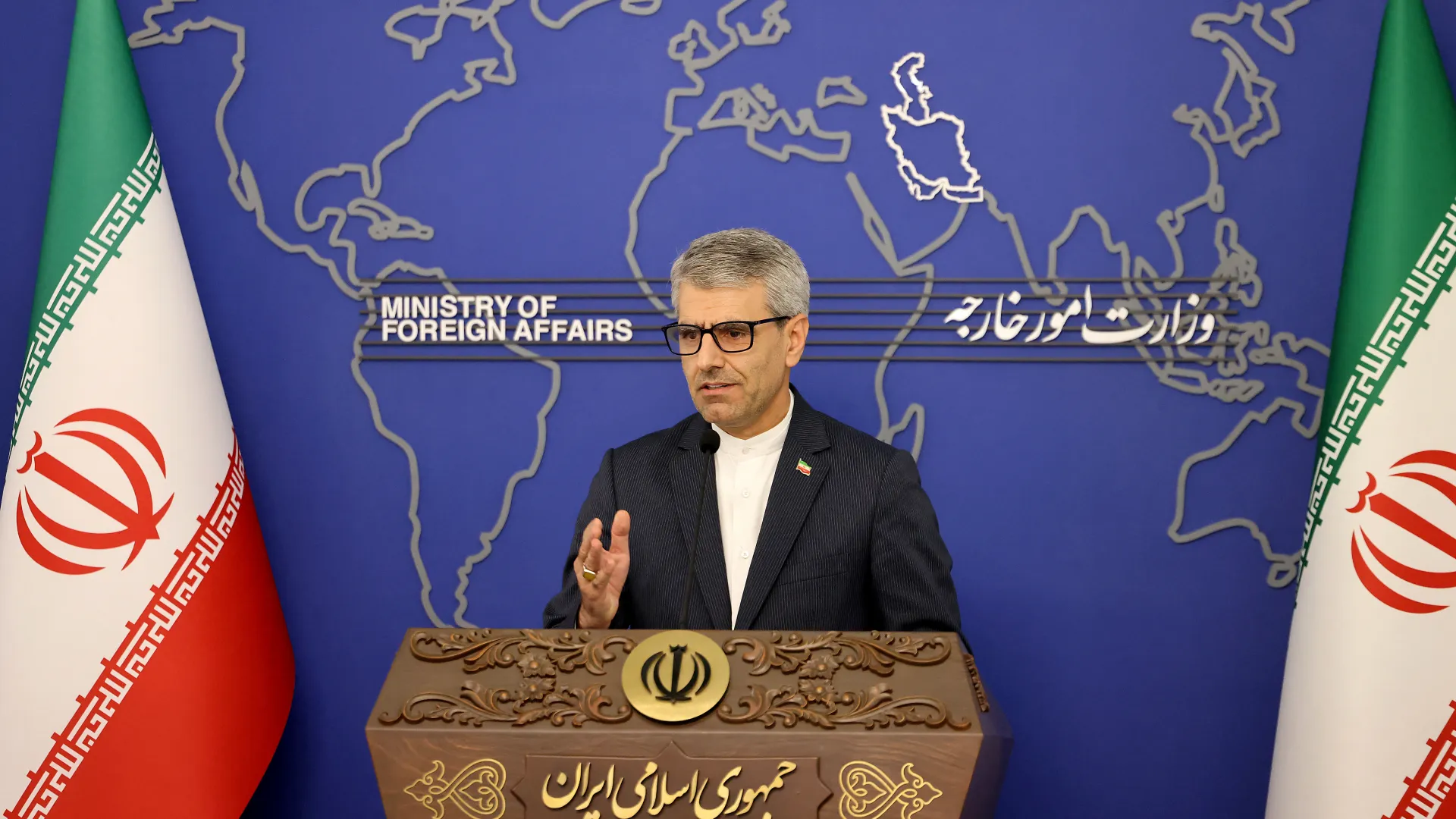
While the U.S. has not formally acknowledged the collapse, State Department spokesperson Ned Price told reporters yesterday that “progress remains elusive” and that Washington continues to engage with European partners to explore diplomatic avenues. Meanwhile, Iranian Foreign Minister Hossein Amir-Abdollahian stated in a press conference that “the technical talks have concluded without reaching an agreement,” adding that Tehran would now reassess its options.
Why the $6 Billion Matters—and What It Means for the Nuclear Deal
The frozen funds represent a critical lifeline for Iran’s economy, which has been crippled by years of U.S. sanctions. Under the 2015 JCPOA, Iran was entitled to access $100 billion in assets held abroad, including $6 billion in U.S. dollars and euros frozen in South Korea, Germany, and other countries. However, the Trump administration withdrew from the deal in 2018 and reimposed sanctions, leaving Iran unable to recover its money.

According to a Financial Times analysis, the stalled negotiations reflect deeper divisions over the nuclear deal’s future. The U.S. insists on adding new restrictions to the JCPOA, including limits on Iran’s uranium enrichment and missile programs, while Iran demands full sanctions relief as a precondition for returning to compliance. Without an agreement, the $6 billion could remain blocked indefinitely, exacerbating economic hardship for ordinary Iranians.
Exacerbating tensions, Iran has already begun expanding its nuclear program in defiance of the JCPOA. The International Atomic Energy Agency (IAEA) reported last month that Tehran had increased uranium enrichment levels beyond the deal’s limits, a move that could trigger further sanctions if unchecked. The collapse of talks over the frozen funds adds another layer of uncertainty to an already volatile situation.
Who Stands to Gain—or Lose—If the Funds Are Released (or Not)
The outcome of these negotiations has far-reaching implications for multiple stakeholders:
- Iran: The release of the $6 billion would provide much-needed liquidity for a country facing hyperinflation and severe currency depreciation. However, without broader sanctions relief, the economic benefits would be temporary. Iranian officials have warned that continued financial strangulation could push the country toward further nuclear escalation.
- The U.S.: Washington’s hardline stance reflects its broader strategy of pressuring Iran to abandon its nuclear ambitions entirely. By refusing to release the funds, the U.S. maintains leverage—but risks isolating itself diplomatically, as European allies and China have urged a return to negotiations.
- Regional Allies: Saudi Arabia and Israel have both expressed opposition to any revival of the JCPOA, fearing it would embolden Iran. Meanwhile, Russia and China—both signatories to the original deal—have called for a resumption of talks to prevent further destabilization.
- Ordinary Iranians: The frozen funds were intended to ease economic suffering, but their prolonged detention has deepened public frustration. Protests over economic conditions have surged in recent months, and the failure to secure financial relief could fuel further unrest.
What Happens Next? The Timeline of Diplomatic Deadlines
The immediate next steps depend on whether either side is willing to compromise. Here’s what to watch for:
- June 2024: The U.S. and Iran have no formal deadline, but European mediators—including France, Germany, and the UK—are expected to push for a resumption of talks in the coming weeks. A New York Times report suggests Brussels may host a new round of indirect negotiations as early as late June.
- IAEA Inspections: Iran has already reduced cooperation with the IAEA, raising concerns about undetected nuclear activities. If talks fail, Tehran may further limit inspections, making it harder to verify compliance with the JCPOA.
- Sanctions Pressure: The U.S. could impose additional sanctions on Iranian entities if no progress is made, while Iran may retaliate by accelerating its nuclear program or supporting proxy groups in the region.
- Economic Fallout: Without the $6 billion, Iran’s central bank faces a liquidity crisis, potentially leading to further currency devaluation and inflation spikes.
Key Takeaways: What Readers Should Know
Here’s a quick breakdown of the most critical points:
- $6 billion frozen: Iran claims the funds were seized illegally and should have been released under the 2015 nuclear deal. The U.S. disputes this, citing violations of the agreement.
- Talks collapsed: Technical negotiations have ended without resolution, leaving the funds’ fate uncertain. Both sides blame the other for intransigence.
- Nuclear tensions rise: Iran’s expansion of its nuclear program and reduced cooperation with inspectors increase risks of a regional escalation.
- Economic stakes: The release of the funds could ease Iran’s financial crisis, but without broader sanctions relief, the benefits would be limited.
- Diplomatic window closing: European mediators are pushing for a resumption of talks, but success is not guaranteed.
Where to Find Official Updates and Next Steps
For the latest developments, readers can monitor:
- U.S. State Department statements on Iran policy.
- IAEA reports on Iran’s nuclear activities.
- Iranian Foreign Ministry updates on diplomatic engagements.
- EU High Representative statements on mediation efforts.
The next critical checkpoint will likely be the outcome of any renewed negotiations in late June. Until then, the stalemate over the $6 billion frozen assets underscores the fragile state of the Iran nuclear deal—and the high stakes for both Tehran and Washington.
What do you think will happen next? Share your thoughts in the comments below—or let us know if you’d like further analysis on how this could impact global oil markets or regional security.