
Pope Francis’ Extraordinary Consistory: What Cardinals Will Debate on War, Division, and Church Doctrine
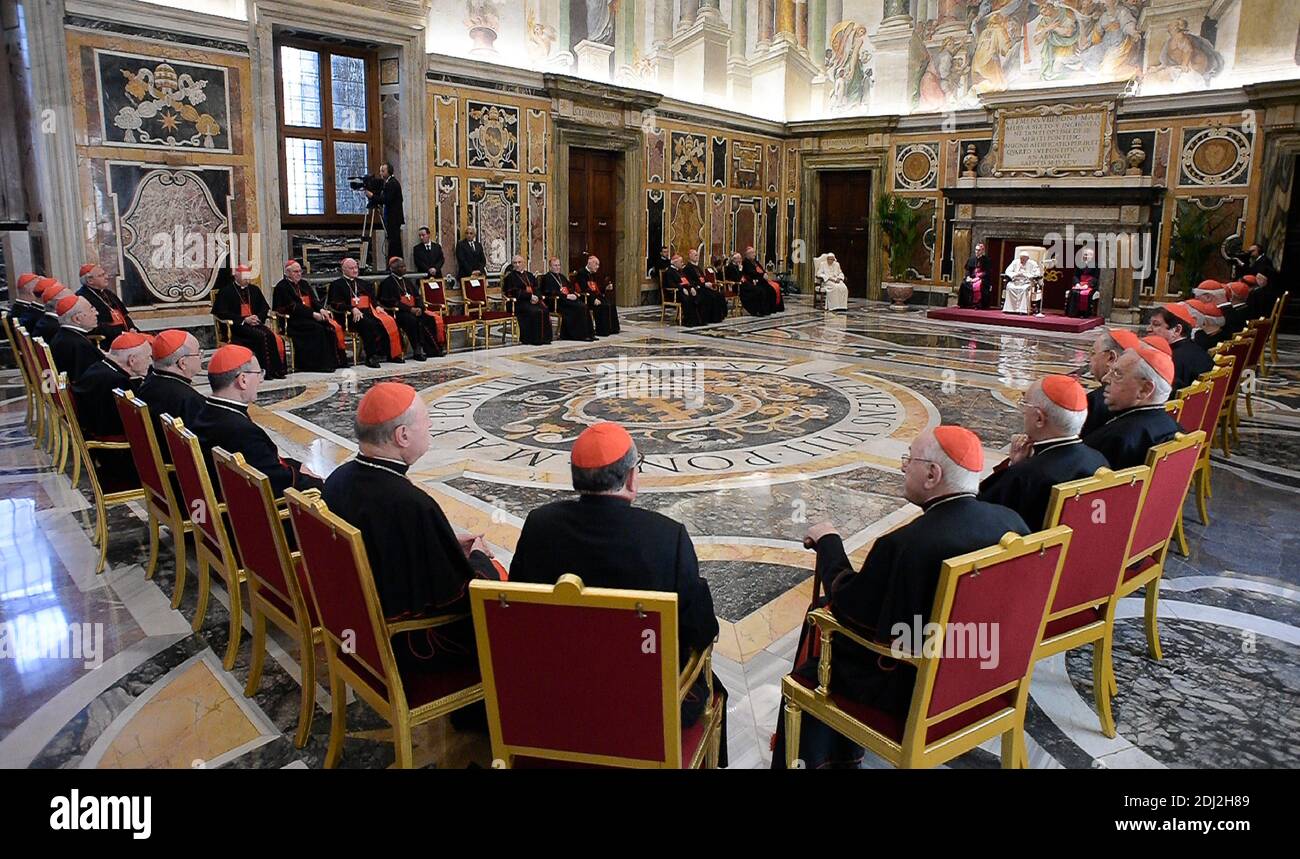
Vatican City — Pope Francis has convened an extraordinary consistory of cardinals for June 21–22 to address pressing global challenges, including the ethical dimensions of modern warfare, societal divisions, and internal debates within the Catholic Church. The two-day meeting, focused on theological and pastoral responses to contemporary crises, will feature discussions on the doctrine of “just war,” the role of religion in conflict resolution, and the Church’s unity amid global fractures.
According to the Vatican News, the consistory will include question-and-answer sessions, group work, and prayer—reflecting Francis’ emphasis on dialogue and communal discernment. While the event is not a synod or a formal doctrinal update, it signals the Pope’s intent to engage directly with cardinals on issues shaping global stability and Church teaching.
Key themes will include the moral framework for military intervention, the Church’s stance on peacebuilding, and internal debates over doctrinal flexibility. The meeting follows months of geopolitical tensions, including conflicts in Ukraine, Gaza, and Sudan, which have intensified discussions on Catholic social teaching in times of war.
The Holy See has confirmed the extraordinary consistory will take place in the Vatican’s Sala Clementina, with participation limited to cardinals under 80 years old, as per standard procedure.
— Vatican News, June 2024
What to Expect: Themes, Speakers, and Stakes
The consistory will center on three core areas:
- Just War Doctrine: Revisiting the Church’s historical stance on military intervention in light of modern conflicts, particularly in Ukraine and the Middle East.
- Societal Divisions: Addressing polarization within and beyond the Church, including debates over migration, secularism, and religious freedom.
- Pastoral Responses: Developing practical guidance for bishops and clergy on ministering in divided communities.
Confirmed speakers include:
- Cardinal Michael Czerny, Prefect of the Dicastery for Promoting Integral Human Development, who will lead discussions on humanitarian crises.
- Cardinal Luis Antonio Tagle, Prefect of the Dicastery for Evangelization, focusing on evangelical responses to conflict.
- Cardinal Michael Fitzgerald, former Prefect of the Dicastery for the Oriental Churches, addressing interfaith dialogue in war zones.
While the consistory is not a decision-making body, its outcomes may influence future papal teachings, particularly on peace and war. The Vatican has not yet announced whether a formal document or communiqué will be released afterward.
Why This Consistory Matters: A Shift in Catholic Teaching?
The debate over “just war” has gained urgency amid prolonged conflicts, including Russia’s invasion of Ukraine and the Israel-Hamas war. Pope Francis has previously criticized modern warfare as a “failure of politics and diplomacy,” but the Church’s doctrinal stance remains rooted in the Catechism of the Catholic Church, which outlines conditions for legitimate defense.
Analysts note that Francis’ approach differs from past popes. While Pope Benedict XVI emphasized the moral limits of war, Francis has prioritized diplomacy and humanitarian aid. This consistory may signal a deeper examination of whether the Church’s just-war framework needs updating to reflect contemporary realities.
According to Catholic News Agency, some cardinals have privately expressed concerns about the doctrine’s applicability in asymmetric wars, where civilian casualties are disproportionate. Others argue for stricter adherence to traditional principles.
Key Question: Will the consistory lead to a formal review of the just-war doctrine, or will it remain a pastoral discussion without doctrinal changes?
How the Consistory Will Work: Questions, Prayer, and Group Work
The two-day event will follow a structured format:
- Day 1 (June 21): Opening prayers, followed by a plenary session where cardinals will present preliminary reflections on war and division. Small working groups will then draft responses to specific questions posed by Francis.
- Day 2 (June 22): Group presentations, followed by a final plenary discussion. The day will conclude with a prayer service for peace.
Unlike a synod, this consistory is not binding, but its outcomes may influence future papal encyclicals or apostolic exhortations. The Vatican has not confirmed whether the discussions will be made public, though past consistories have occasionally released summary documents.
According to InfoVaticana, the event will also include a moment of silence for victims of war, reflecting Francis’ repeated calls for global ceasefires.
Who Is Affected—and What Happens Next?
The consistory’s impact will extend beyond Vatican walls:
- Bishops and Clergy: Practical guidance on ministering in conflict zones, including pastoral care for refugees and displaced persons.
- Theological Scholars: Potential revisions to just-war theory, which could influence Catholic ethics programs in universities.
- Geopolitical Actors: Statements from the consistory may carry moral weight in diplomatic efforts, particularly regarding ceasefire negotiations.
- Laity: Clarification on Catholic teaching during times of war, which could shape public discourse on pacifism and military service.
The next major checkpoint is the October 2024 Synod on Synodality, where some of these themes may be revisited. However, this consistory is the first formal gathering since Francis’ 2023 Laudate Deum encyclical on climate and war, suggesting a continued focus on ecological and ethical crises.
Frequently Asked Questions
1. Is this consistory a synod?
No. A synod involves bishops from around the world and can propose doctrinal or disciplinary changes. This is an extraordinary consistory, limited to cardinals under 80, and focuses on discussion rather than decision-making.
2. Will the Vatican release a statement after the consistory?
Past consistories have occasionally issued summary documents, but the Vatican has not confirmed whether this one will. The format suggests a more pastoral than doctrinal outcome.
3. How does this relate to the just-war doctrine?
The doctrine, outlined in the Catechism, requires just cause, proportionality, and last resort for military action. Francis has emphasized diplomacy over war, but this consistory may explore whether the doctrine needs adaptation for modern conflicts.
4. Can the laity attend or participate?
No. Extraordinary consistories are reserved for cardinals under 80, as per canon law. The laity may influence outcomes indirectly through bishops and theological input.
What’s Next? Watch for These Developments
The immediate next step is the consistory itself on June 21–22. Afterward, watch for:
- Any unofficial reports from participating cardinals (common in past events).
- Potential mentions in Francis’ Angelus or general audience remarks.
- Preparations for the October 2024 Synod on Synodality, which may build on these discussions.
For real-time updates, follow:
Share your thoughts: How should the Church respond to modern wars? Comment below or share this article to spark discussion.
Worth a look