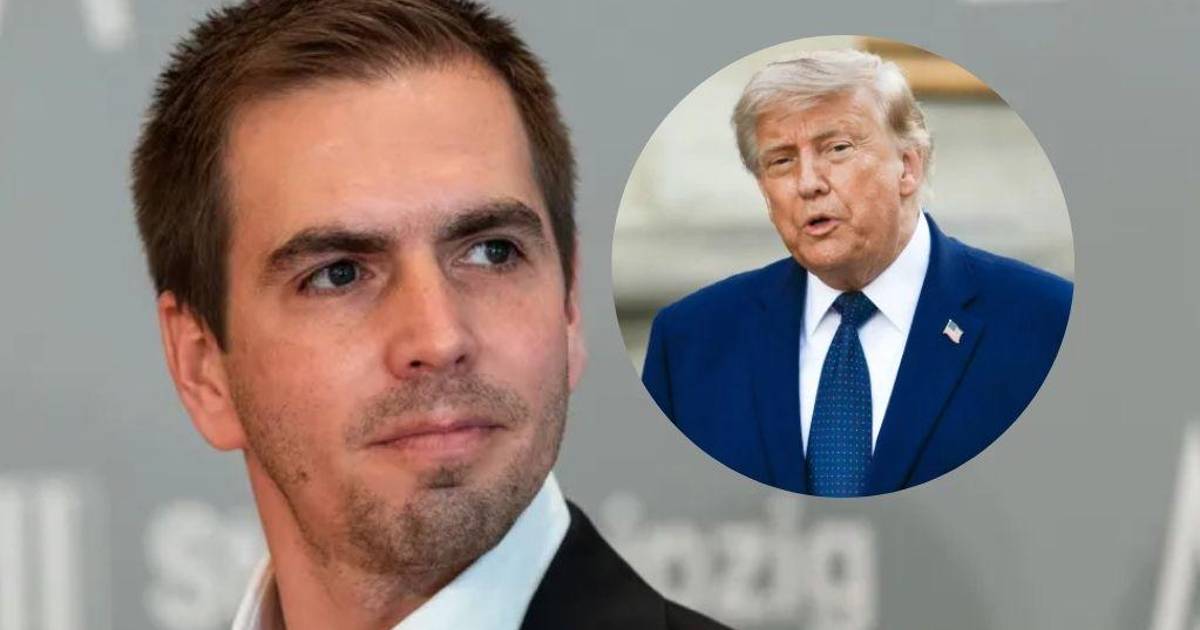
Former German national team captain Philipp Lahm has publicly criticized FIFA President Gianni Infantino, characterizing the upcoming 2026 World Cup as being “sold” and accusing the governing body’s leadership of prioritizing personal gain. In comments that have sparked debate across international football circles, Lahm highlighted what he described as a concerning proximity between the FIFA administration and political figures, specifically citing former U.S. President Donald Trump.
The 2026 tournament, which is set to be hosted jointly by the United States, Canada, and Mexico, represents a significant expansion in the competition’s history. According to official FIFA documentation, the event will feature 48 teams for the first time, a structural change that has been a hallmark of Infantino’s tenure since he assumed the presidency in 2016. Lahm’s critique centers on the perception that the organization has shifted its focus away from sporting integrity and toward commercial and political expediency.
The Basis of Lahm’s Critique
Philipp Lahm, who led Germany to a World Cup victory in 2014, has consistently voiced concerns regarding the governance of international football since his retirement from professional play. In his recent remarks, he argued that the decision-making processes within FIFA have become increasingly opaque and susceptible to the influence of powerful external actors. The core of his accusation lies in the claim that the tournament’s expansion and its move toward North American markets reflect a transactional approach to the sport.
The accusations regarding the 2026 World Cup follow a period of intense scrutiny for FIFA. Since the 2015 corruption scandal that led to widespread indictments by the U.S. Department of Justice, the organization has undergone various reforms intended to improve transparency. However, as noted in reports from the New York Times, Infantino has faced persistent criticism from European football associations regarding his management style and his efforts to centralize power within the FIFA Council.
Political Proximity and FIFA Governance
A central pillar of Lahm’s argument involves the relationship between FIFA leadership and high-profile political figures. Lahm suggested that the organization’s leaders often leverage their positions for personal and political capital. While FIFA maintains that it is a politically neutral organization, its history of hosting events in countries with complex human rights records—such as the 2022 tournament in Qatar—has often placed it at the center of geopolitical discourse.
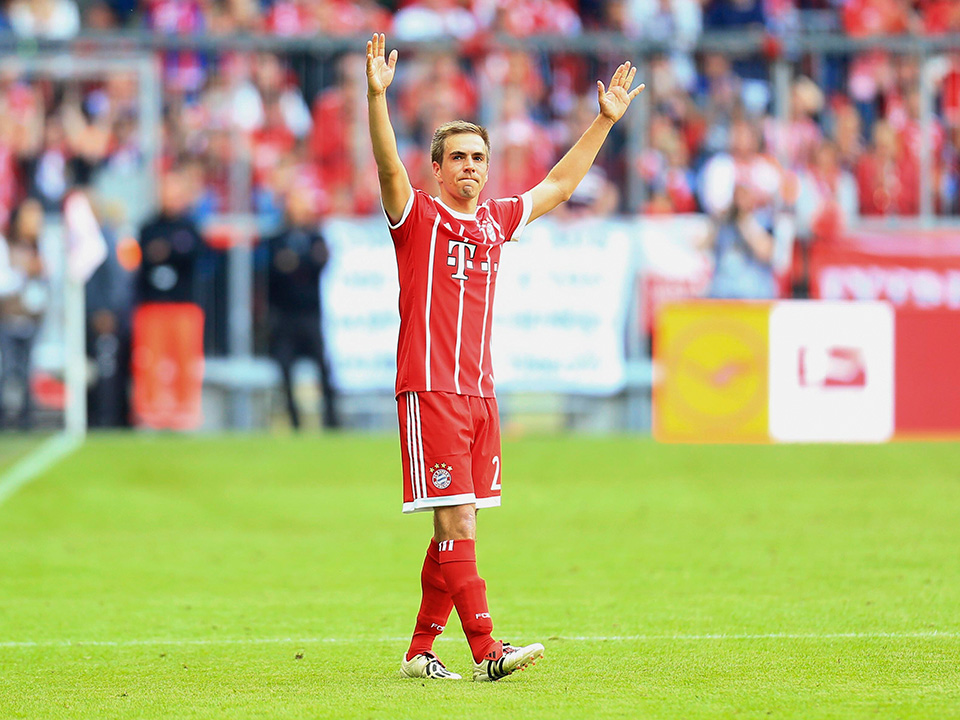
The 2026 tournament serves as a unique case study in this intersection of sports and politics. The United States, Canada, and Mexico were awarded the hosting rights in 2018. According to Reuters, the joint bid secured 134 votes from the FIFA Congress, successfully defeating a competing bid from Morocco. The administrative coordination required for a tri-nation tournament involves extensive negotiations with multiple federal governments, a reality that critics argue grants FIFA leaders outsized influence on the global stage.
Institutional Context and Future Implications
The controversy surrounding the 2026 World Cup is not merely about the host nation but about the long-term direction of the sport. FIFA’s decision to expand the tournament to 48 teams has been a point of contention for many stakeholders, including the European Club Association, which has previously raised concerns about player welfare and the increased frequency of matches. According to BBC Sport, the new format will involve 104 matches, a significant increase from the 64 matches held in previous iterations.
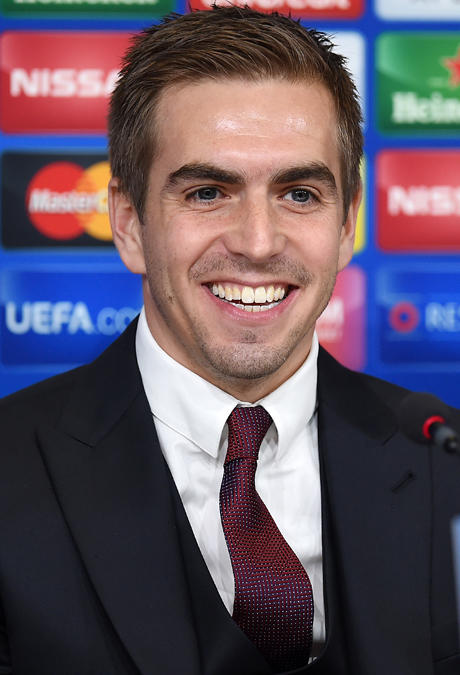
As the countdown to 2026 continues, FIFA remains focused on the logistical implementation of the tournament. The organization continues to hold regular meetings with the host city authorities and national football federations to ensure infrastructure readiness. For observers like Lahm, the question remains whether the sport will eventually prioritize long-term sustainability and ethical governance over the pursuit of rapid commercial expansion.
The next major update regarding the tournament’s operational progress is expected at the upcoming FIFA Congress, where member associations will review the latest financial and logistical reports. Football fans and industry analysts continue to monitor these developments as the governing body prepares for what is expected to be its most lucrative and complex tournament to date. Readers interested in the latest official updates from the tournament organizers can monitor the official FIFA media hub for scheduled press briefings and administrative filings.
Worth a look
- Arizona Football: Ismail Mahdi, Max Harris Return for Fifth Year After Court Ruling
- Huddersfield Giants Confirm 2027 Move to Dewsbury’s Flair Stadium in £10m Upgrade
- Trump Adopts Wait-And-See Approach To Iran Amid Strait Of Hormuz Talks (archyworldys.com)
- Trump’s National Guard Deployment in DC Extended to 2029 Amid Autonomy Concerns (archynewsy.com)