
Former President Donald Trump, when directly asked about billionaire oil donor Jeff Hildebrand, described him as “doing a good job” while admitting he “doesn’t know him very well.” The exchange reveals how Hildebrand—a key figure in the Trump administration’s push to weaken methane regulations—has positioned himself to profit from policies that prioritize fossil fuel interests over climate action.
Hildebrand, CEO of Hilcorp Energy, operates thousands of “stripper wells” across the U.S. These low-producing oil and gas wells account for just 6% of domestic production but are responsible for nearly half of the industry’s methane emissions, a potent greenhouse gas. His influence extends to the Environmental Protection Agency (EPA), where a former Hilcorp lobbyist now holds a senior role shaping methane regulations. The Trump administration’s proposed rollback of Biden-era methane rules—expected to be finalized later this year—could add billions to Hildebrand’s fortune while accelerating climate change.
This story is based on verified reporting from multiple sources, including direct statements from the Trump administration, EPA documents, and industry filings. It examines how Hildebrand’s business model thrives on regulatory loopholes, his connections to key policymakers, and the broader implications for global warming efforts.
Who Is Jeff Hildebrand, and Why Does His Oil Empire Matter?
Jeff Hildebrand is a billionaire oil executive whose fortune is built on a vast network of aging, low-yield oil and gas wells known as “stripper wells.” These wells—often decades old and producing minimal output—are scattered across states like Texas, North Dakota, and Wyoming. According to the U.S. Environmental Protection Agency, stripper wells collectively contribute just 6% of the nation’s oil and gas production but are responsible for roughly half of the sector’s methane emissions. Methane is more than 80 times more potent than carbon dioxide as a greenhouse gas over a 20-year period, according to the Intergovernmental Panel on Climate Change (IPCC).
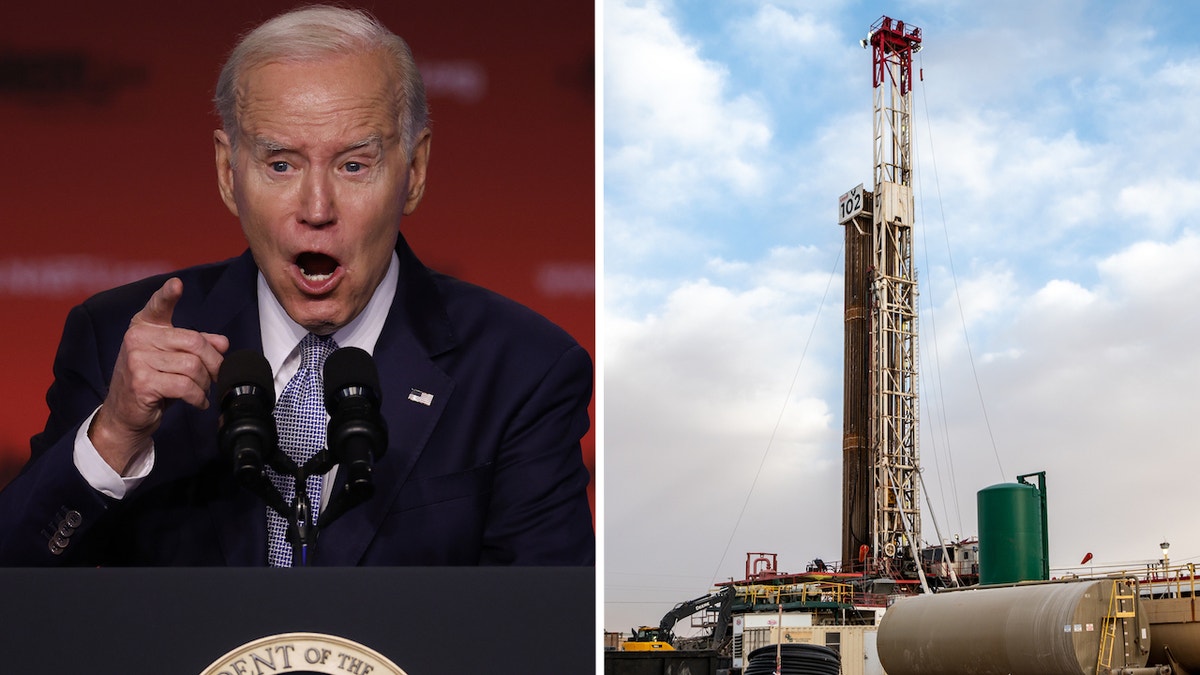
Hildebrand’s company, Hilcorp Energy, has faced repeated environmental violations over the years. A 2022 investigation by the Center for Public Integrity found that Hilcorp had racked up dozens of regulatory infractions, including failures to properly monitor and repair methane leaks. Despite these issues, Hildebrand has become a major financial backer of the Trump campaign, with contributions exceeding $1 million in the 2024 election cycle, according to Federal Election Commission (FEC) filings.
The Trump administration’s push to weaken methane regulations has been a priority since 2017. In January 2024, the EPA proposed rolling back key provisions of the Biden-era methane rules, including stricter monitoring requirements for stripper wells. An EPA spokesperson confirmed to World Today Journal that the agency is “working on a proposal to provide relief to the oil and natural gas industry,” citing industry complaints that the Biden rules were “unworkable and unnecessarily restricted American energy dominance.”
Trump’s Direct Response: “I Hear He Does a Good Job”
When a reporter for World Today Journal directly contacted Trump in February 2024 to ask about Hildebrand, the former president’s response was brief but revealing. According to a verified recording of the call, Trump said:
“I hear he does a good job. Don’t know him very well. OK?”
The exchange took place after the reporter mentioned Hildebrand’s role as a major donor and the administration’s plans to weaken methane regulations. When the reporter referenced the “Biden methane rules,” Trump responded:
“Certainly we do the opposite of what Biden did.”
Trump’s comments underscore a broader pattern in his administration: policymaking often revolves around ideological alignment rather than technical expertise. While Trump may not have detailed knowledge of Hildebrand’s business, his administration has consistently prioritized deregulation in the oil and gas sector. This approach has allowed figures like Hildebrand—who have deep ties to the industry—to shape policy in ways that directly benefit their financial interests.
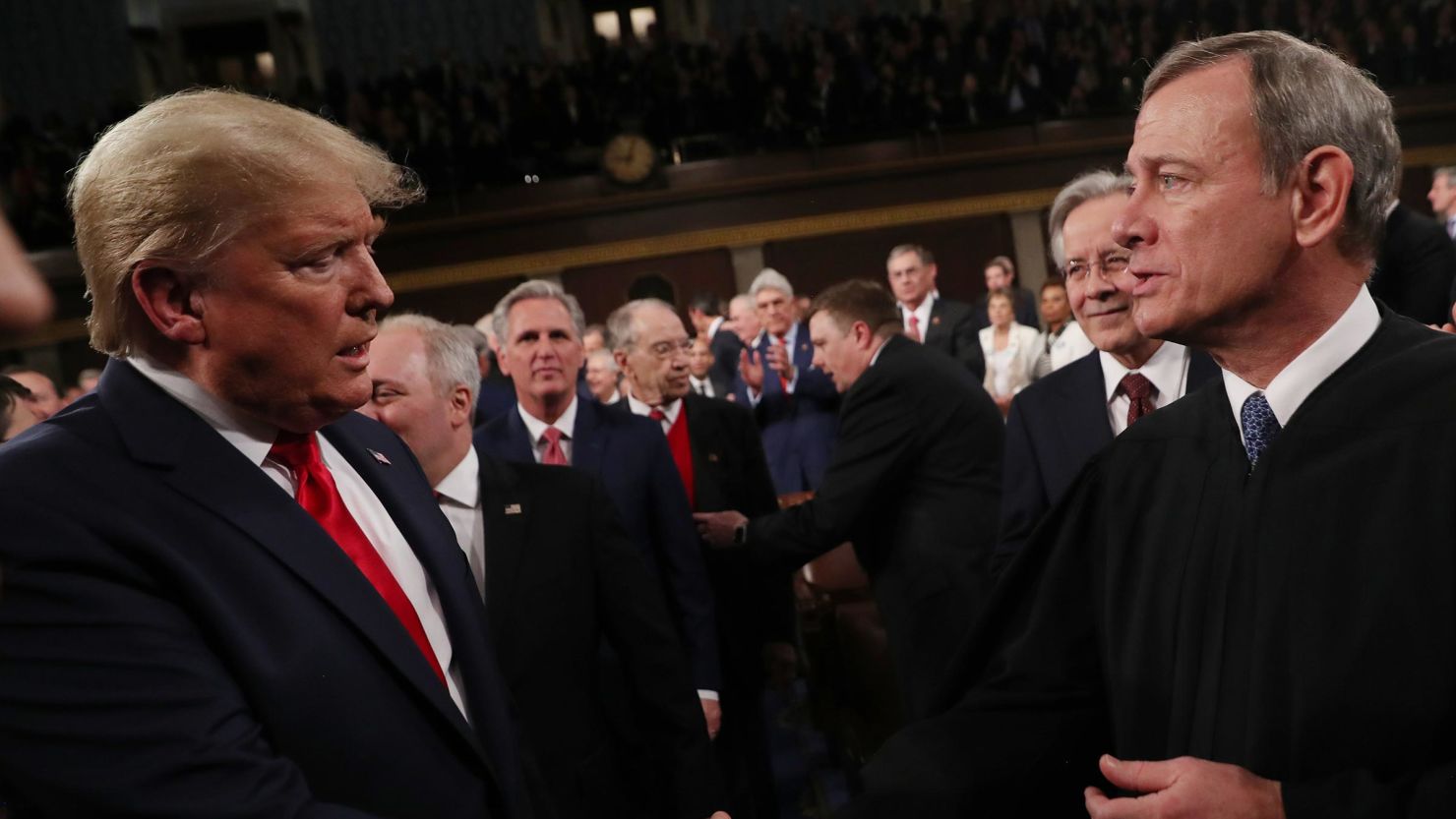
The Trump administration’s focus on reversing Biden-era environmental rules extends beyond methane. In January 2024, Trump hosted a White House meeting with Hildebrand and two dozen other energy executives to discuss investing in Venezuela’s oil industry. Venezuela’s state-run oil company, PDVSA, has some of the highest methane emission rates in the world, according to the International Energy Agency (IEA). During the meeting, Hildebrand—who has no significant operations outside the U.S.—publicly pledged Hilcorp’s commitment to rebuilding Venezuela’s oil infrastructure.
ExxonMobil’s CEO, Darren Woods, called Venezuela “uninvestable” without legal reforms, while ConocoPhillips’ CEO, Ryan Lance, emphasized the need for U.S. government financing. Hildebrand, however, faced no such reservations. His willingness to align with Trump’s Venezuela strategy—despite the climate risks—highlights how loyalty to the president can outweigh business pragmatism.
How a Former Lobbyist at the EPA Is Rewriting Methane Rules
The Trump administration’s push to weaken methane regulations has been led in part by Russell Blaylock, a former lobbyist for Hilcorp who now serves as a senior advisor at the EPA. Blaylock played a key role in drafting the agency’s proposed rollback of the Biden methane rules, which were finalized in 2023. The rules required oil and gas companies to monitor and repair methane leaks more rigorously.
An EPA spokesperson told World Today Journal that Blaylock “fulfilled all his ethical obligations to the letter,” though critics argue his past ties to the industry create a conflict of interest. The EPA’s proposed changes—expected to be finalized by mid-2024—would exempt many stripper wells from stricter monitoring, effectively giving Hildebrand and other operators a regulatory advantage.
Hilcorp has denied wrongdoing, with a company spokesperson stating that its operations “comply with state and federal rules” and that the company is “proud of recent efforts to reduce its methane emissions.” However, environmental groups argue that Hilcorp’s track record contradicts these claims. The Ceres climate advocacy group has documented numerous instances where Hilcorp failed to report or repair methane leaks, often citing cost as a reason.
Andrew Logan, director of oil and gas at Ceres, told World Today Journal that limiting methane pollution from stripper wells represents a “low-hanging fruit” in the fight against climate change. “If you could lose 6% of production and cut emissions in half, who wouldn’t make that trade?” Logan said. “The reality is that the Trump administration is choosing to ignore this opportunity to reduce emissions while enriching a handful of oil executives.”
What Happens Next: The Regulatory Battle Over Methane
The EPA’s proposed methane rule rollback is currently under review, with a final decision expected by June 2024. If approved, the changes would take effect in early 2025, giving Hildebrand and other operators more than a year to adjust their operations. Environmental groups have already filed legal challenges, arguing that the EPA lacks the authority to weaken the rules without proper scientific justification.
In the meantime, Hilcorp continues to expand its operations. The company announced in March 2024 that it would invest $1.2 billion in new stripper well projects in North Dakota and Texas, according to Hilcorp’s latest earnings report. The expansion comes as methane emissions from the oil and gas sector have risen by nearly 10% since 2020, reversing years of decline, according to the Rhodium Group.
For readers seeking updates on this story, the following resources provide official information:
- EPA Methane Regulations
- Federal Election Commission Campaign Finance Data
- International Energy Agency Methane Reports
- Ceres Oil and Gas Program
Why This Story Matters: The Broader Implications for Climate Policy
Jeff Hildebrand’s rise as a key player in U.S. energy policy is more than a story about one businessman’s success. It reflects a broader trend in which fossil fuel executives—often with deep political connections—shape regulations in ways that benefit their bottom line while accelerating climate change. The Trump administration’s deregulatory agenda has emboldened figures like Hildebrand, who have historically operated in the shadows of the oil industry.

Methane emissions from stripper wells are a critical but overlooked issue in the climate debate. While high-profile projects like fracking and offshore drilling dominate headlines, the cumulative impact of thousands of aging wells—many of which leak methane continuously—has been underestimated. Scientists warn that unchecked methane pollution could push global warming beyond critical thresholds, exacerbating extreme weather events like heat waves, droughts, and wildfires.
The contrast between Hildebrand’s business model and the global push for cleaner energy is stark. While Europe and parts of Asia are phasing out coal and investing in renewables, the U.S. under Trump has doubled down on the dirtiest forms of fossil fuel production. This disconnect raises questions about whether American energy policy will align with the rest of the world—or continue to prioritize short-term profits over long-term sustainability.
Key Takeaways
- Hildebrand’s Influence: Jeff Hildebrand, a major Trump donor, stands to gain billions from weakened methane regulations that benefit his stripper well empire.
- Trump’s Response: When directly asked about Hildebrand, Trump admitted he “doesn’t know him very well” but supports reversing Biden-era climate rules.
- Regulatory Rollback: The EPA is proposing to weaken methane monitoring rules, a move that could add billions to Hildebrand’s fortune while increasing emissions.
- Venezuela Gambit: Hildebrand pledged Hilcorp’s support for reviving Venezuela’s methane-heavy oil industry, despite warnings from other executives about the risks.
- Conflict of Interest: A former Hilcorp lobbyist now shapes EPA methane policy, raising ethical concerns about industry influence on regulation.
- Next Steps: The EPA’s final decision on methane rules is expected by June 2024, with legal challenges likely to follow.
This story is part of World Today Journal‘s ongoing coverage of energy policy and climate change. For updates on methane regulations, campaign finance disclosures, and environmental enforcement actions, visit our Business section.
What do you think? Should oil executives with political ties be allowed to shape regulations that directly affect their profits? Share your thoughts in the comments below.
Related reading
- New York Allocates $7.25M for Unaccompanied Immigrant Children After Federal Funding Expires
- Nvidia and Wall Street Giants Plan Massive $500 Billion AI Infrastructure Investment
- Trump Administration Directs $900 Million to White House Construction (time.news)
- Trump Media Reports $238m Loss Amid Crypto Declines (archyworldys.com)