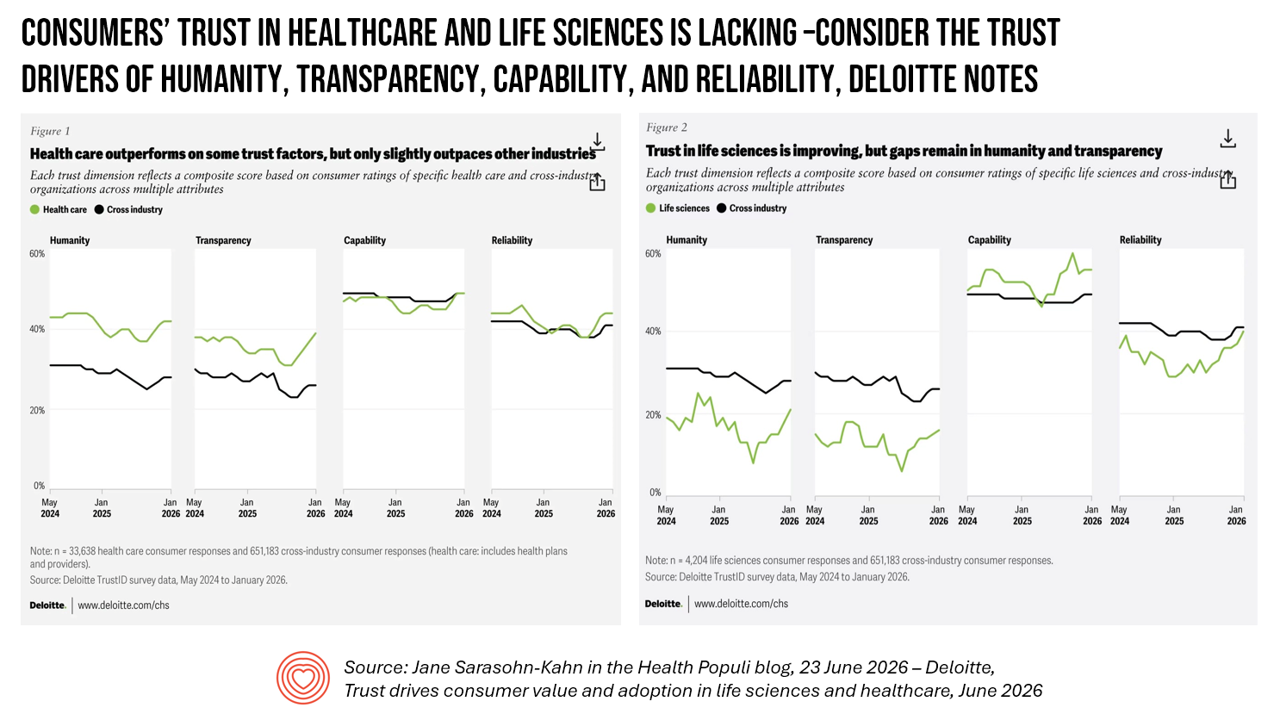
Healthcare trust relies on four critical pillars: humanity, transparency, capability, and reliability. Recent research from Deloitte indicates that while clinical capability remains high, healthcare providers and life science companies struggle with low scores in empathy and billing transparency, driving patients toward more integrated, retail-based care models.
Trust functions as a silent but essential component of the patient-provider relationship. When this trust is compromised, the impact on healthcare delivery and patient outcomes can be significant. Industry analysts suggest that trust should no longer be viewed as a vague sentiment, but as a measurable operating system for value creation.
According to research conducted by Deloitte, consumer trust in the healthcare sector is segmented into four distinct drivers. These drivers determine how patients and consumers perceive the value of both healthcare delivery systems, such as hospitals, and life science organizations, including pharmaceutical and biotech companies.
What drives trust in healthcare and life sciences?
Deloitte identifies four specific pillars that dictate consumer trust levels. The first is humanity, which measures whether a patient feels a healthcare experience is caring and attentive to their personal needs. This includes the level of empathy, communication, and sensitivity shown by medical staff during interactions.
The second pillar is transparency. This refers to how well a consumer understands the entire patient journey, ranging from the clinical examination in the room to the complexities of the billing and insurance processes. Transparency aims to eliminate the “black box” feeling often associated with medical costs and procedures.
Capability and reliability form the final two pillars. Capability assesses whether a provider or supplier delivers high-quality clinical outcomes and effective medical experiences. Reliability measures whether a consumer can depend on consistent care, products, and support services over time. While capability is often high in science-based sectors, the other pillars frequently lag behind.
Why are consumer trust ratings falling in healthcare?
Data from Deloitte shows a significant gap between clinical performance and the consumer experience. In the United States, healthcare providers score higher on humanity and transparency than many other industries, yet these scores remain below the 50% mark. This indicates that even when clinical care is technically proficient, the human element—empathy and clear communication—remains a major pain point for patients.

The trust deficit is even more pronounced within life science organizations. While these companies typically score high in capability due to their focus on clinical outcomes and scientific rigor, they score significantly lower in humanity and transparency compared to other sectors. This suggests that while consumers may trust the science behind a medication, they often lack trust in the human-centric or transparent aspects of the companies producing them.
Deloitte warns that these trust deficits could actively undermine industry growth. As patients increasingly seek simpler and more accessible care, they are moving away from traditional models that feel opaque or impersonal. This shift is creating a market where consumers are willing to pay more out of pocket for new entrants that offer more integrated and frictionless workflows.
How are retail models and technology rebuilding trust?
The rise of “healthcare consumerism” has led to a convergence between traditional medical providers and consumer-facing brands. Patients are increasingly taking agency over their own health decisions, leading to the emergence of novel care models designed to meet them where they are. This includes everything from direct-to-patient platforms for medication delivery to grocery stores offering nutrition advice and Medicare support.

Retail pharmacy channels are playing a central role in this transition by reducing the friction typically found in traditional clinical settings. For example, CVS Health has implemented virtual programs to support patients using GLP-1 medications for weight loss. These digital interventions are designed to enhance engagement, improve clinical outcomes, and provide a more seamless experience than a traditional doctor’s visit alone.
By integrating technology into the pharmacy and retail space, these organizations aim to address the “humanity” and “transparency” gaps. Digital tools can provide real-time updates on medication therapy, clearer pricing information, and direct access to support services, thereby building a more reliable and transparent relationship with the patient.
What is the impact of trust on healthcare value?
Building trust is not merely a matter of reputation; it has a direct return on investment for healthcare stakeholders. When organizations successfully align their services with consumer expectations for empathy and transparency, they create stronger alliances across different sectors, including retail, technology, and traditional medicine.
The transition toward seeing trust as a managed “operating system” allows companies to design intentions into their business models. Rather than reacting to complaints, organizations can proactively measure how their clinical capability and reliability intersect with the human needs of their patients. This approach helps bridge the gap between high-quality science and the actual experience of the person receiving the care.
As the industry evolves, the ability to provide an “enchanting experience”—one that is seamless, empathetic, and transparent—will likely separate market leaders from those struggling with declining patient engagement. The integration of consumer-design principles into healthcare workflows represents a primary opportunity for rebuilding the foundational trust necessary for long-term industry stability.
Key Takeaways:
- Trust is driven by four pillars: Humanity, Transparency, Capability, and Reliability.
- Healthcare providers currently score below 50% in humanity and transparency, despite high clinical capability.
- Life science companies face significant trust gaps in empathy and process transparency.
- Retail health models (e.g., CVS Health) are using technology to reduce friction and improve the patient experience.
- Trust is increasingly viewed as a measurable operating system for value creation rather than a simple sentiment.
Updates regarding healthcare regulatory changes and new Deloitte consumer sentiment reports are expected to be released in upcoming industry briefings. Please share this article and join the conversation in the comments below regarding how technology is impacting your experience with healthcare providers.
- Careers in Correctional Healthcare: Demand, Roles, and Opportunities
- Gen Z & Millennials Pivot to Preventive Health: KTC Reports 40% Surge in Wellness Spending
- US Warns Over Transparency Risks in China Overseas Lending (newsdirectory3.com)
- Free Cancer Wellness & Exercise Program: Rebuild Strength and Health (archyworldys.com)