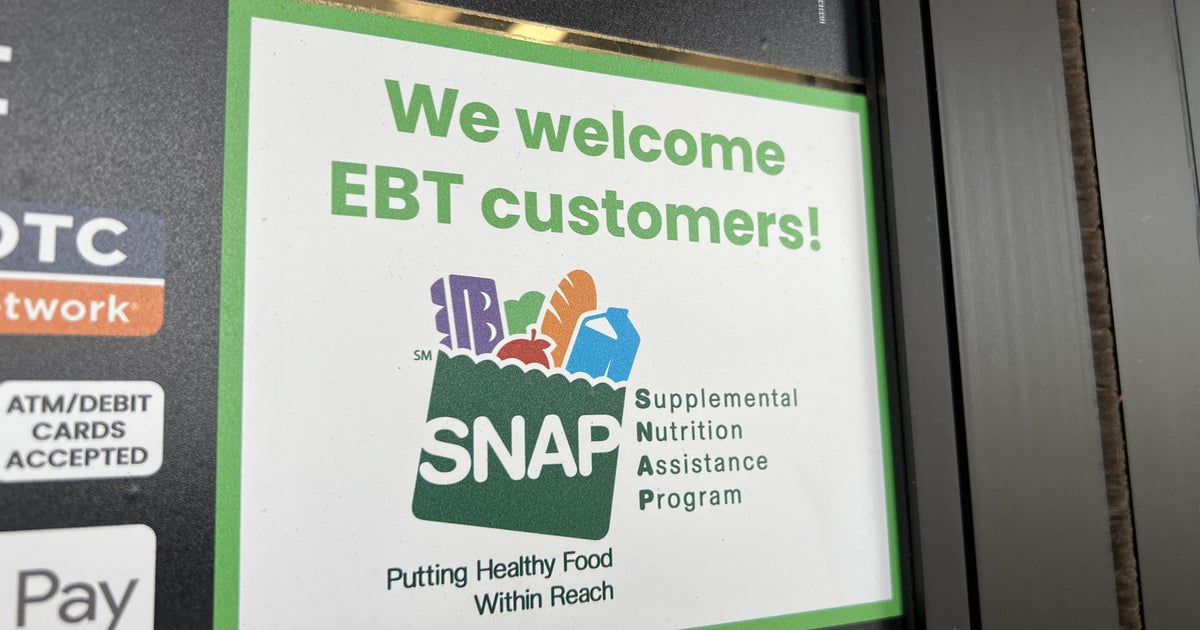
A federal judge has blocked five states from implementing policies that would have prohibited Supplemental Nutrition Assistance Program (SNAP) recipients from using their benefits to purchase soda and candy. The ruling prevents these states from enforcing restrictions that proponents argued would improve public health outcomes among low-income populations, but which critics maintained violated federal law governing the national food assistance program.
According to court filings, the decision centers on the interpretation of the Food and Nutrition Act of 2008, which establishes uniform national standards for what items can be purchased with SNAP benefits. The ruling effectively halts state-level efforts to impose additional categorical exclusions on food items, reinforcing the authority of the U.S. Department of Agriculture (USDA) to set federal eligibility standards for the program, as documented in official USDA guidance on eligible food items.
Legal Basis for the Ruling
The core of the dispute involved whether individual states possess the legal autonomy to restrict the types of food products that can be purchased using federal SNAP funds. Federal law currently defines “eligible foods” broadly, allowing for the purchase of almost any food item intended for home consumption, with specific exceptions for items such as alcoholic beverages, tobacco, and hot prepared foods. The court determined that states attempting to add “junk food” to this list of prohibited items were exceeding their regulatory authority.
Legal analysts note that the ruling underscores the principle of federal preemption. Because SNAP is a federally funded program administered by the states, the federal government retains the primary authority to define the scope of the benefits. State requests for waivers to exclude specific sugary drinks or confectionery items have historically been denied by the USDA, a position that the court affirmed in its recent decision. Further details regarding the statutory framework of the program are available through the Food, Conservation, and Energy Act of 2008, which governs these federal nutrition standards.
Impact on Public Health Policy
Proponents of the state-level bans argued that limiting the purchase of items high in added sugars could help address rising rates of diet-related illnesses, such as Type 2 diabetes and obesity, among SNAP recipients. This perspective often aligns with broader public health initiatives aimed at shifting nutritional intake toward whole foods. However, the court’s decision highlights the tension between state-level health goals and the standardized federal framework designed to ensure consistent access to food assistance across all states.
The ruling effectively maintains the status quo, ensuring that SNAP recipients in the five affected states retain the same purchasing power as participants nationwide. For many recipients, the ability to purchase a wide variety of food items is considered essential for managing household budgets, particularly in areas with limited access to fresh, affordable produce. The Centers for Disease Control and Prevention (CDC) provides extensive data on the complexities of food access and its relationship to chronic disease, emphasizing that nutritional outcomes are influenced by a multitude of economic and environmental factors beyond individual purchasing choices.
What Happens Next
The decision creates a significant hurdle for state legislators who have sought to use their influence over state-run agencies to reshape the nutritional composition of the SNAP program. While the court has blocked these specific state bans, the debate over the program’s role in public health remains a subject of active legislative and administrative interest. Any further attempt to modify these rules would likely require congressional action to amend the underlying federal statute, rather than individual state-level mandates.
As of this date, there are no immediate changes to how SNAP benefits can be used at grocery stores or other authorized retailers. Participants can continue to use their Electronic Benefit Transfer (EBT) cards for all currently eligible items. Official updates regarding program eligibility and any potential future policy shifts will be posted on the USDA Food and Nutrition Service website. As an editor, I will continue to monitor the docket for any appeals or subsequent filings related to this litigation. Please share your thoughts or questions in the comments section below.
Worth a look