
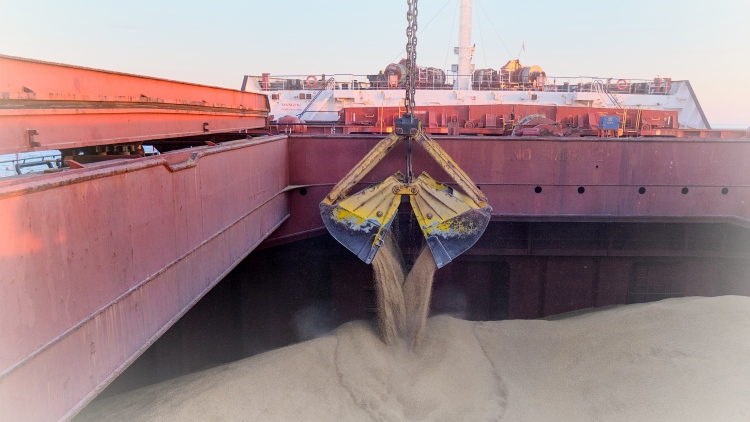
Egypt’s efforts to expand its agricultural land into desert regions represent a strategic shift in national food security policy, as the country seeks to reduce its heavy reliance on global wheat imports. As the world’s largest wheat importer, Egypt’s domestic production initiatives—such as the New Valley Project and the Toshka reclamation efforts—aim to mitigate the economic vulnerability caused by fluctuating international commodity prices and geopolitical supply chain disruptions, according to data from the U.S. Department of Agriculture (USDA) Foreign Agricultural Service.
The core of this agricultural strategy lies in the “New Delta” and Toshka projects, which involve reclaiming millions of acres of desert for large-scale cereal cultivation. Government officials have framed these initiatives as essential to population growth management and economic stability. However, international market analysts note that while these projects are significant, they face substantial hurdles, including extreme water scarcity and the high capital costs associated with desert irrigation, as reported by the Food and Agriculture Organization (FAO) of the United Nations.
The Economics of Egyptian Wheat Import Dependency
Egypt’s dependency on foreign wheat is a structural feature of its economy, with the country typically importing between 10 million and 12 million metric tons of wheat annually. Historically, the General Authority for Supply Commodities (GASC) has relied on traditional suppliers such as Russia and Ukraine to meet domestic demand for subsidized bread, a staple for over 70 million Egyptians, according to the Reuters news agency.
The volatility of the Black Sea grain corridor has forced Cairo to seek diversification in its sourcing strategy. By attempting to “step into the desert”—a metaphor for shifting production from the constrained Nile Delta to reclaimed arid land—the government aims to create a buffer against global market shocks. Despite these efforts, the World Bank emphasizes that the country’s water footprint remains a primary constraint, as agriculture already consumes approximately 80% of Egypt’s total annual water usage.
Infrastructure Challenges in Desert Reclamation
Reclaiming desert land for wheat production requires massive investments in irrigation infrastructure, including canals, pumping stations, and solar-powered water management systems. The Toshka project, originally conceived decades ago, has seen renewed vigor under recent state-led development plans. The primary technical hurdle remains the efficiency of water delivery across sandy, porous soils that lose moisture rapidly through evaporation and drainage.
Engineering reports indicate that the success of these projects depends on the integration of modern water-saving technologies, such as center-pivot irrigation and treated wastewater recycling. According to the African Development Bank Group, which monitors infrastructure development in the region, the long-term feasibility of these projects is tied to maintaining the delicate balance between land expansion and the fixed availability of Nile water quotas.
Market Impact and Global Supply Chains
Any significant increase in Egyptian domestic wheat production would theoretically reduce the country’s demand on the international market, potentially shifting global price dynamics. However, current production figures suggest that domestic gains are currently offset by rapid population growth, which increases the total national calorie requirement by roughly 2% each year, as noted by the International Monetary Fund (IMF).
While domestic production is increasing, experts at the International Food Policy Research Institute (IFPRI) argue that Egypt will likely remain a net importer for the foreseeable future. The “earthquake” in the wheat market, if it were to occur, would require a technological breakthrough in salt-tolerant wheat varieties or a radical change in water policy that currently seems unlikely given the environmental constraints of the Sahara region.
Future Outlook for Food Security
The Egyptian government continues to prioritize the expansion of the “New Delta” as a flagship national project. Future updates on the success of these harvests are typically released by the Ministry of Agriculture and Land Reclamation. Monitoring these reports is essential for global market participants, as any deviation from projected yields will immediately impact GASC tender volumes and, consequently, global wheat futures.

Readers interested in the ongoing progress of these agricultural initiatives can track official government announcements through the State Information Service, which provides regular updates on national projects. We encourage our readers to join the discussion on how desert agricultural initiatives will reshape global food security—share your thoughts in the comments section below.