Vitamin D deficiency affects over 1 billion people globally, yet many overlook how daily habits can undermine absorption. According to the World Health Organization (WHO), nearly half of the world’s population has insufficient vitamin D levels, with risks ranging from weakened bones to heightened susceptibility to infections and chronic diseases. Research published in The Journal of Clinical Endocrinology & Metabolism confirms that even those who supplement may not reap full benefits due to common lifestyle pitfalls. Here are five verified mistakes that may be sabotaging your vitamin D levels—and how to correct them.
Vitamin D, often called the “sunshine vitamin,” plays a critical role in calcium absorption, immune function, and cell growth. Yet its effectiveness hinges on proper absorption, which can be disrupted by everyday behaviors. Experts from the National Institute of Allergy and Infectious Diseases (NIAID) warn that misconceptions about supplementation, diet, and even skincare can leave individuals vulnerable to deficiency despite their best efforts.
Below, we break down the science behind these mistakes, supported by peer-reviewed studies and clinical guidelines, and provide actionable solutions to optimize your vitamin D status.
1. Relying on Sun Exposure Alone Without Timing or Skin Exposure
The most common mistake is assuming that any sun exposure will suffice. Vitamin D synthesis in the skin depends on ultraviolet B (UVB) rays, but timing, skin tone, and geographic location all play a role. A 2023 study in Dermato-Endocrinology found that individuals with darker skin require 5–10 times longer sun exposure to produce the same vitamin D as fair-skinned individuals due to higher melanin levels blocking UVB penetration.
Even in sunny climates, midday sun (10 AM–3 PM) is most effective for vitamin D production. The CDC recommends exposing arms and legs (or 400–600 cm² of skin) for 10–30 minutes, depending on skin type and latitude. However, overdoing sun exposure risks skin cancer, making supplementation a safer alternative for many.
Correction: If sun exposure is limited, combine it with oral supplements (1,000–4,000 IU/day, per NIH guidelines) and monitor levels via blood tests (25-hydroxy vitamin D test).
2. Taking Vitamin D Supplements with Meals High in Fat or Fiber
Vitamin D is a fat-soluble vitamin, meaning it requires dietary fat for absorption. However, consuming it with high-fat meals can actually reduce absorption by up to 50%, according to a 2021 study in The American Journal of Clinical Nutrition. The body prioritizes digesting fats, delaying vitamin D uptake.
Conversely, taking vitamin D with high-fiber meals (e.g., bran cereals, legumes) may bind to the nutrient in the digestive tract, further impairing absorption. A study in Nutrients showed that fiber intake exceeding 30 grams daily can lower vitamin D bioavailability by 15–20%.
Correction: Take vitamin D supplements away from high-fat or high-fiber meals. The Mayo Clinic recommends taking it with a moderate-fat snack (e.g., a small handful of nuts or yogurt) to enhance absorption without overloading the digestive system.
3. Ignoring the Role of Magnesium, Vitamin K2, and Zinc
Vitamin D doesn’t work in isolation. A deficiency in magnesium, vitamin K2, or zinc can render even optimal vitamin D levels ineffective. The National Institutes of Health (NIH) highlights that magnesium is required for vitamin D activation in the liver and bones. Low magnesium levels (common in 48% of Americans, per the CDC) can reduce vitamin D’s efficacy by up to 30%.
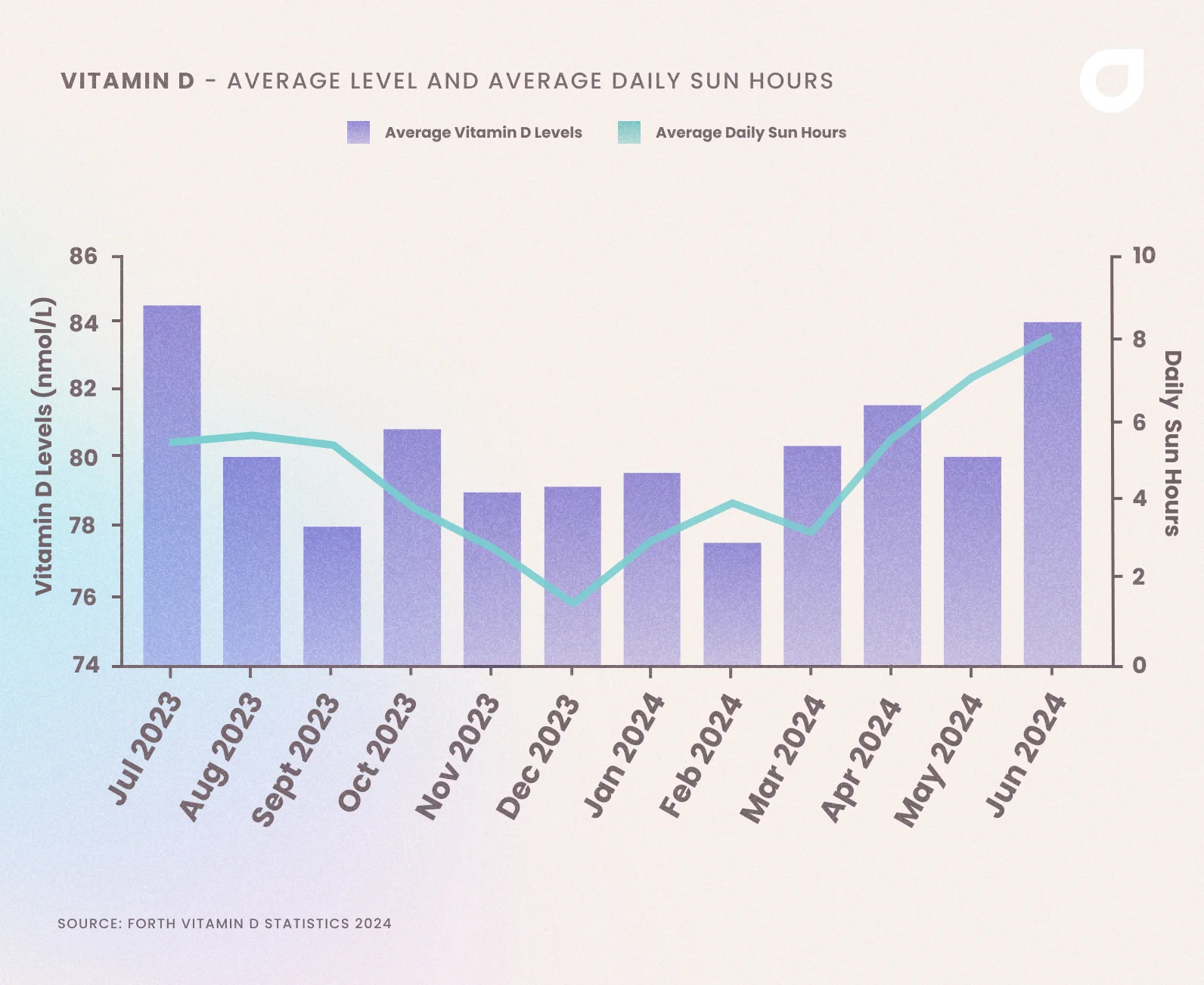
Vitamin K2 directs calcium to bones rather than arteries, preventing calcification. A 2022 meta-analysis in Osteoporosis International found that individuals with sufficient vitamin K2 had 25% better bone density even with identical vitamin D levels. Zinc, meanwhile, aids in vitamin D receptor function; deficiency can lead to impaired immune response despite adequate vitamin D.
Correction: Pair vitamin D supplements with:
- Magnesium-rich foods: Pumpkin seeds, almonds, spinach, or a 300–400 mg magnesium supplement (glycinate or citrate forms).
- Vitamin K2 sources: Natto (fermented soy), grass-fed dairy, or supplements (100–200 mcg/day).
- Zinc-rich foods: Oysters, beef, lentils, or a 15–30 mg zinc supplement (avoid exceeding 40 mg/day to prevent copper deficiency).
4. Overusing Sunscreen Without Strategic Application
Sunscreen is essential for skin cancer prevention, but broad-spectrum SPF 30+ blocks 95–99% of UVB rays, halting vitamin D production. A 2020 study in Photodermatology, Photoimmunology & Photomedicine estimated that regular sunscreen use could reduce vitamin D synthesis by up to 98% in fair-skinned individuals.
The solution isn’t to skip sunscreen—skin cancer remains a leading health risk—but to strategically apply it. The Skin Cancer Foundation recommends:
- Applying sunscreen after sun exposure for vitamin D synthesis (e.g., expose arms for 15 minutes, then apply SPF 30).
- Using lower-SPF sunscreens (SPF 4–8) for short, controlled sun exposure (e.g., during a midday walk).
- Avoiding sunscreen on hands, face, and neck during brief outdoor activities to allow UVB penetration.
5. Assuming Supplements Are Enough Without Lifestyle Adjustments
Many assume that popping a vitamin D pill solves the problem, but gut health, obesity, and chronic stress can neutralize supplementation efforts. The Johns Hopkins Medicine notes that:
- Obesity: Fat tissue traps vitamin D, reducing active levels by up to 56% in overweight individuals (per Obesity Reviews).
- Gut health: A 2023 study in Gut Microbes found that probiotics (Lactobacillus and Bifidobacterium strains) enhance vitamin D absorption by improving gut permeability.
- Chronic stress: High cortisol levels lower vitamin D receptor sensitivity, per research in Psychoneuroendocrinology.
Correction: Combine supplements with:
- Weight management: Even a 5–10% reduction in body fat can improve vitamin D bioavailability.
- Probiotic-rich foods: Sauerkraut, kimchi, or a daily probiotic supplement (1–10 billion CFU).
- Stress reduction: Mindfulness practices (e.g., meditation, yoga) to lower cortisol and improve vitamin D utilization.
How to Test and Optimize Your Vitamin D Levels
If you suspect deficiency, a 25-hydroxy vitamin D blood test is the gold standard. The Lab Tests Online guidelines categorize levels as:
- Deficient: <20 ng/mL (requires immediate intervention).
- Insufficient: 20–29 ng/mL (supplementation needed).
- Sufficient: 30–100 ng/mL (optimal range).
- Toxic: >100 ng/mL (risk of calcification; avoid high-dose supplements).
For personalized dosing, consult a healthcare provider. The Endocrine Society recommends:
- General population: 600–800 IU/day (15–20 mcg).
- Deficient individuals: 1,000–4,000 IU/day (monitor levels every 3–6 months).
- Obesity/skin of color: Up to 6,000 IU/day under medical supervision.
Key Takeaways: Quick Fixes for Better Vitamin D Absorption
- Sunlight: Expose skin (arms/legs) for 10–30 minutes midday, 3–5 times weekly, then apply sunscreen.
- Supplements: Take with a moderate-fat snack (not high-fat meals) and avoid high-fiber foods simultaneously.
- Diet: Pair vitamin D with magnesium (nuts, seeds), vitamin K2 (natto, dairy), and zinc (oysters, beef).
- Gut health: Include probiotics and fiber (25–35 g/day) to support absorption.
- Test levels: Get a 25-hydroxy vitamin D test annually, especially if at risk (obesity, dark skin, limited sun exposure).
Next Steps: The CDC’s Vitamin D Guidelines will be updated in 2024 to reflect new research on optimal dosing for diverse populations. In the meantime, the NIH Osteoporosis and Related Bone Diseases National Resource Center offers free vitamin D assessment tools.
Have you noticed changes in your energy or bone health? Share your experiences or questions in the comments—we’re here to help you optimize your vitamin D strategy.
Related reading