International observers are closely monitoring conflicting reports regarding Iran’s nuclear transparency, as speculation grows over potential inspection agreements and future diplomatic negotiations. While recent claims have circulated suggesting Tehran has agreed to expanded monitoring of its nuclear facilities, official statements from Iranian authorities and the International Atomic Energy Agency (IAEA) present a more complex reality regarding current access to sensitive sites.
The discourse surrounding Iran’s nuclear program remains a central issue in global security, particularly as the nation continues to manage its enrichment activities under the scrutiny of the United Nations nuclear watchdog. According to the International Atomic Energy Agency (IAEA), the organization maintains ongoing verification and monitoring activities in Iran, though the extent of this access has been subject to significant fluctuations due to political tensions and shifts in domestic Iranian policy.
Evaluating Claims of Nuclear Inspection Agreements
Recent reports suggesting a breakthrough regarding the inspection of Iranian nuclear sites have been met with skepticism from official channels in Tehran. Iranian officials have publicly dismissed claims that they have granted unconditional access to sites that have previously been the subject of regional military operations or strikes. The IAEA Director General Rafael Grossi has consistently emphasized that Iran must provide more transparency and cooperate fully to address outstanding safeguards issues, noting that the current level of cooperation remains insufficient to provide credible assurances about the peaceful nature of the nuclear program.
The discrepancy in messaging often stems from political rhetoric surrounding potential negotiations. While some international political figures have suggested that Tehran is inching toward a new inspection framework, the Iranian Ministry of Foreign Affairs has maintained that any cooperation with the IAEA must occur within the established legal framework of the Nuclear Non-Proliferation Treaty (NPT). The government in Tehran continues to assert that it is not obligated to provide access to facilities deemed sensitive for national security, especially those that have been targeted in recent regional conflicts.
The Role of the IAEA and Global Safeguards
The IAEA operates under the authority of its member states to verify that nuclear material is not diverted from peaceful activities to military purposes. When examining the status of Iran’s nuclear sites, it is important to distinguish between routine inspections and the “additional protocol” that allows for more intrusive, short-notice checks. Iran’s commitment to these protocols has been intermittent, often tied to the status of broader sanctions relief and diplomatic talks, as detailed in reports from the Council on Foreign Relations.

For researchers and stakeholders, the primary point of concern is the “gap” in monitoring capabilities. Since early 2021, when Iran began restricting certain IAEA monitoring activities, the agency has lost the ability to maintain the continuity of knowledge regarding the production of centrifuges and the processing of uranium ore concentrate. This lack of data creates a significant challenge for international diplomacy, as it limits the ability of the UN watchdog to verify the exact scope of Iran’s current enrichment capacity.
Current Diplomatic Conditions and Future Negotiations
Negotiations regarding the future of Iran’s nuclear program are frequently linked to economic incentives and the potential unfreezing of assets. Various reports have alluded to prerequisites for talks in neutral locations, such as Switzerland, where the focus often shifts to the balance between economic relief and nuclear constraints. However, there is no official confirmation of a specific deal that would provide massive financial transfers in exchange for immediate inspection concessions, despite frequent speculation in international media.
The geopolitical environment remains volatile. The U.S. Department of State has maintained that the path to a diplomatic solution remains open but hinges on Iran’s willingness to engage in substantive, verifiable commitments. As of late 2024, the priority for the international community remains the restoration of a reliable monitoring presence that can ensure the non-proliferation of nuclear weapons in the region.
Understanding the Verification Process
To understand the current impasse, it is useful to look at the specific requirements for nuclear monitoring. The verification process is governed by the NPT and the Comprehensive Safeguards Agreement. When a state limits access to its facilities, the IAEA Board of Governors typically adopts resolutions calling for immediate cooperation. These resolutions serve as the official record of non-compliance or lack of cooperation, rather than media reports or political statements from foreign leaders.
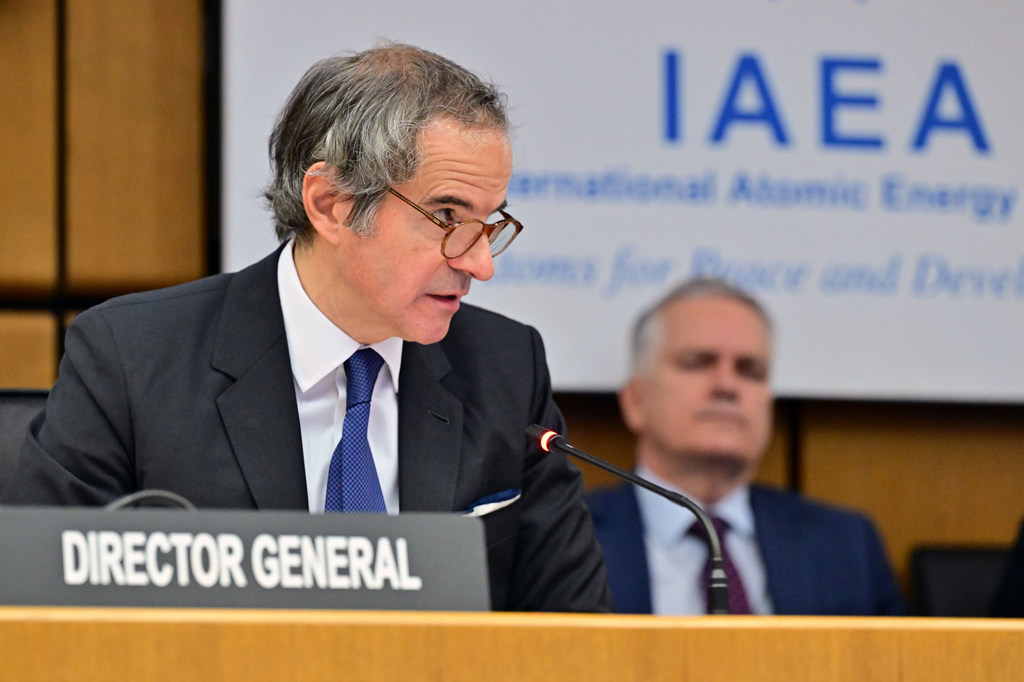
Readers seeking the most accurate and up-to-date information regarding the status of nuclear sites should consult the official IAEA portal, which publishes regular updates on verification activities. The agency’s quarterly reports provide the only verified technical data regarding Iran’s enrichment levels, the number of active centrifuges, and the status of monitoring equipment at key facilities. These documents are the standard against which all other claims should be measured.
The next major checkpoint for this ongoing issue is the upcoming meeting of the IAEA Board of Governors, where member states will likely review the latest reports from the Director General regarding Iran’s compliance. Please share your thoughts on this complex geopolitical development in the comments section below.
Related reading
- Liberia Abolishes Primary School Registration Fees in Historic Education Move
- Typhoon Dolphin Makes Landfall in China, Triggering Mass Evacuations and Flight Cancellations
- Apply for Lead Full Stack Software Engineer at Capital One (archynewsy.com)
- Iran Demands Cast Doubt on Reopening Strait of Hormuz Despite Oman Deal Talks (world-today-news.com)