
Recent public discourse has increasingly focused on the intersection of faith and American politics, drawing attention to the distinct approaches of high-profile figures like U.S. Senator J.D. Vance and the global leadership of the Catholic Church. While Senator Vance has prominently incorporated his conversion to Catholicism into his political platform and recent literary work, the Vatican under Pope Francis maintains a focus on institutional doctrine and global social advocacy, highlighting a divergence in how religious identity is utilized in public life.
The role of faith in the 2024 political cycle remains a significant factor for voters, particularly within the American electorate. According to data from the Pew Research Center, religious affiliation continues to correlate with party preference, though the specific influence of “conservative Catholicism” as a political vehicle—a strategy frequently associated with Senator Vance’s public narrative—is viewed by political analysts as a deliberate effort to align with traditionalist voting blocs. This approach contrasts sharply with the Vatican’s traditional emphasis on universal social teachings rather than partisan alignment.
The Intersection of Faith and Political Ambition
Senator J.D. Vance, who represents Ohio in the U.S. Senate, has been vocal about his journey into the Catholic Church. His recent book tour for Hillbilly Elegy and his broader public appearances have often centered on his transition to faith, which he describes as a central component of his worldview. Political observers note that this narrative serves to solidify his standing among conservative voters, a demographic that often prioritizes traditionalist religious values in candidates, as reported by the New York Times.

This strategy relies on the perceived alignment between Catholic social conservatism and the Republican party platform. However, the application of this faith-based rhetoric in a political campaign creates a unique tension. While Vance emphasizes his personal theological evolution, the institutional Catholic Church, led by Pope Francis, has consistently avoided endorsing specific political candidates or parties. Instead, the Holy See focuses on broader issues such as poverty, migration, and climate change, often challenging the policy positions held by the American political right.
Contrasting Institutional Priorities
The divergence between the Vatican’s global mission and the domestic political usage of Catholicism is evident in the differing priorities of the two entities. Pope Francis has frequently utilized his office to address systemic global issues, often distancing the Church from the culture wars that define American electoral politics. As noted by the Vatican’s official communications, the Pope’s encyclical Fratelli Tutti emphasizes human fraternity and social inclusion, themes that often conflict with the nationalistic rhetoric prevalent in contemporary American political discourse.
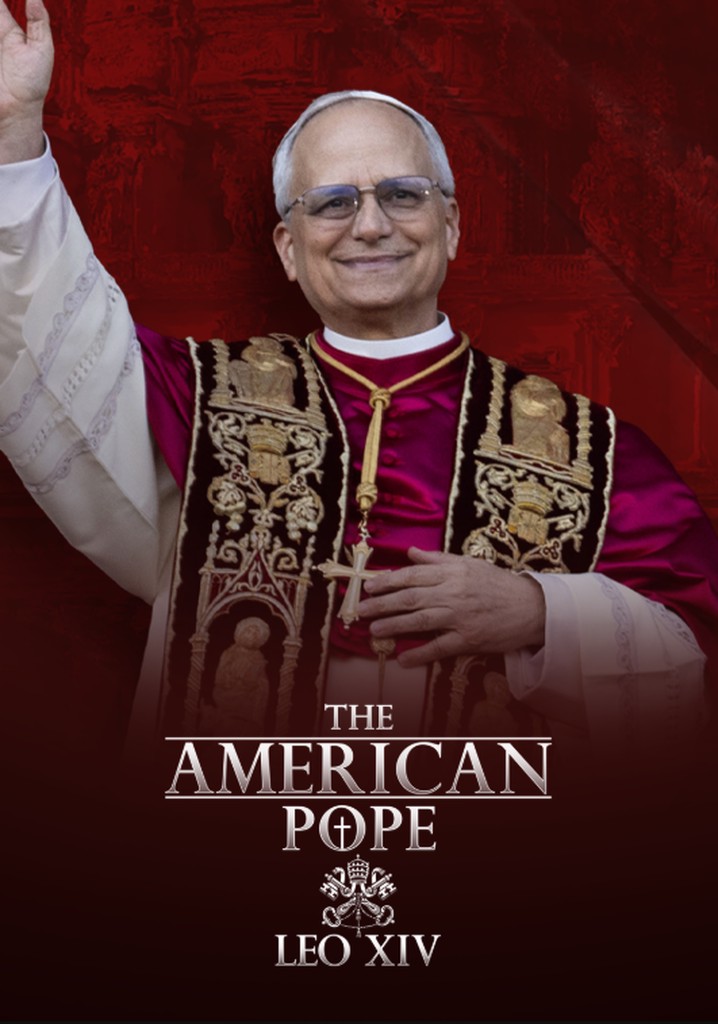
Political scientists suggest that this friction is a natural result of the Catholic Church’s universal nature. Because the Church operates in nearly every country, it must maintain a stance that transcends local political cycles. By contrast, Senator Vance’s utilization of his faith is inherently tied to the specific, localized goals of winning elections within the United States. This distinction is critical for voters attempting to parse the difference between personal religious conviction and political maneuvering.
The Impact on the Catholic Electorate
The American Catholic vote remains a highly sought-after demographic, often described as a “swing” group in presidential elections. According to the United States Conference of Catholic Bishops (USCCB), the Church encourages its members to participate in political life while forming their consciences based on a wide range of issues, rather than a single political party or candidate. This guidance creates a complex landscape for voters who may find their faith aligns with some aspects of the Republican platform—such as abortion policy—while diverging on others, such as immigration or economic justice.
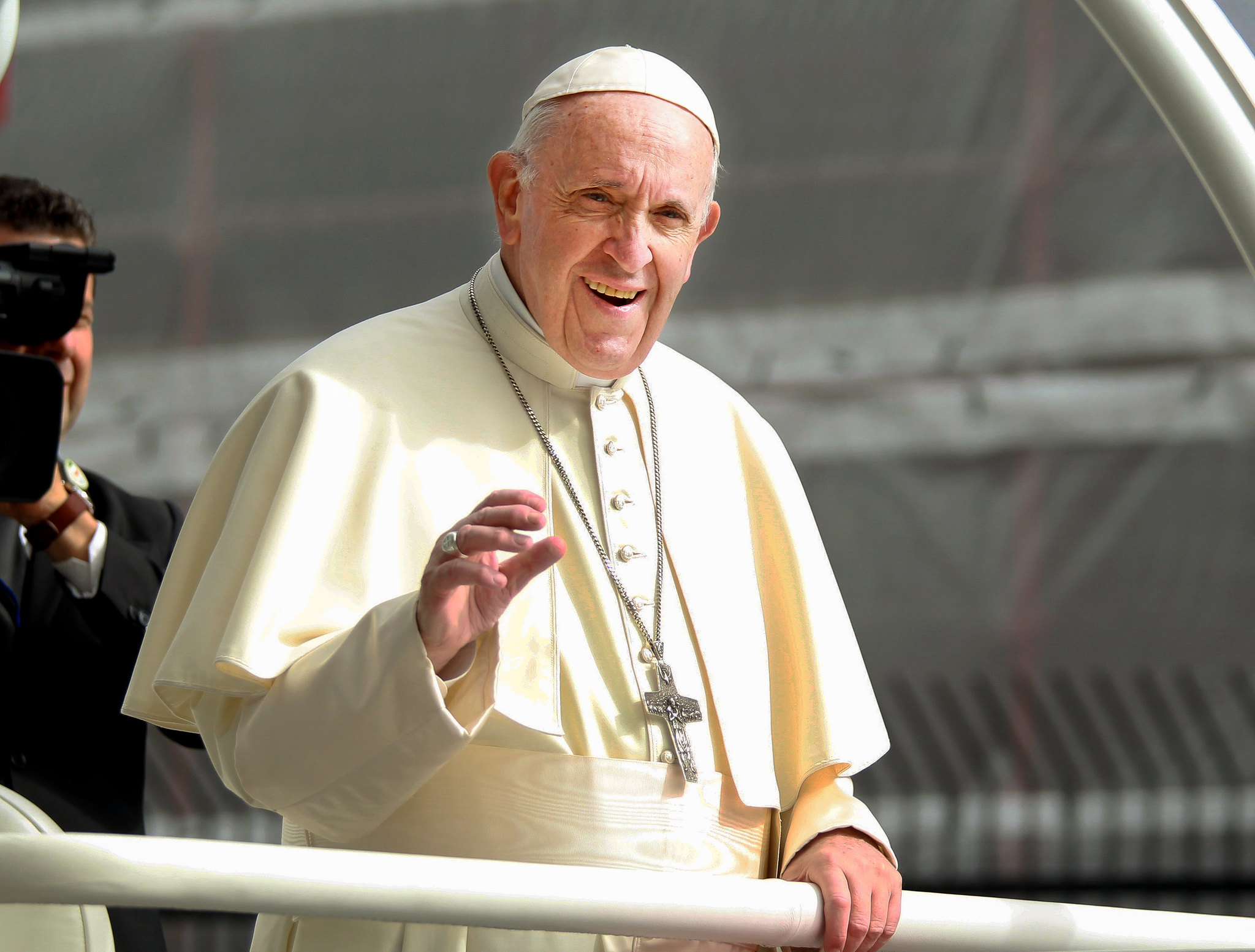
The current discourse suggests that voters are increasingly aware of these nuances. While figures like Senator Vance attempt to synthesize their political identity with their religious one, the broader Catholic population remains divided. Recent polling suggests that while conservative Catholics may be drawn to the rhetoric presented by figures like Vance, a significant segment of the electorate continues to prioritize the Church’s broader social justice teachings. This split ensures that the role of religion in politics will remain a central theme as the country approaches future electoral milestones.
For readers interested in tracking the official positions of the Church on social and political issues, the USCCB website provides comprehensive resources on “Faithful Citizenship.” As the political landscape continues to evolve, the distinction between religious identity and political affiliation will likely remain a topic of intense debate. We encourage our readers to participate in the discussion by sharing their perspectives on how faith influences modern governance in the comments section below.
Related reading