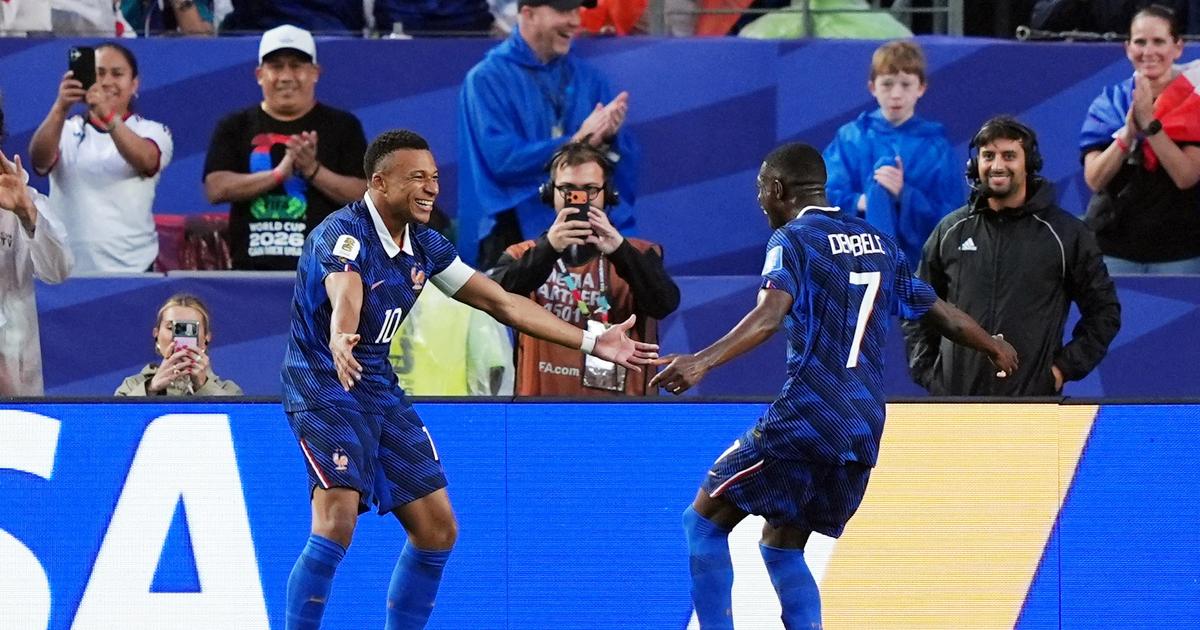
As the 2026 FIFA World Cup group stage approaches its conclusion, the French national team—Les Bleus—finds itself at a tactical crossroads regarding its final standing in the group. With the final match against Norway looming, the debate over whether to pursue the top spot or accept a second-place finish has intensified among analysts, focusing on the potential path through the knockout stages and the quality of opponents in the Round of 16. According to official FIFA tournament regulations, the final group standings are determined by points, followed by goal difference and then goals scored, a framework that dictates the strategic options available to Didier Deschamps’ squad.
The strategic nuance of finishing first or second in a World Cup group often hinges on the “bracket” effect, where teams analyze the strength of the potential opposition in the subsequent round. As reported by the official FIFA World Cup 2026 tournament regulations, the winner of France’s group is slated to face the runner-up of a parallel group, while the runner-up faces the winner of that same group. This structural reality forces coaching staffs to weigh the immediate goal of winning every match against the long-term objective of securing a favorable route to the final.
Evaluating the Path to the Knockout Stages
The primary concern for the French technical staff is the identity of the opponent waiting in the Round of 16. In international football, the “easier” path is rarely guaranteed, as upsets are a frequent occurrence in the tournament format. Historical data from previous FIFA World Cup editions, tracked by Opta Sports, suggests that the correlation between finishing first and achieving tournament success is high, though not absolute. For France, a team with deep reserves of talent, the focus remains on maintaining momentum rather than “gaming” the bracket, according to recent team press briefings.
Managing squad fatigue is another critical factor. With a dense schedule of matches, the physical load on key players like Kylian Mbappé becomes a decisive element. If France secures a comfortable position before the final group match, the coaching staff may opt to rotate the squad. This decision is balanced against the risk of losing rhythm or momentum ahead of the high-stakes knockout rounds. The French Football Federation (FFF) has consistently emphasized that the priority remains winning each individual match, irrespective of the downstream implications for the tournament bracket.
Tactical Considerations and Team Momentum
The match against Norway represents a significant test for the French defense and transition play. Norway, known for its disciplined structure and individual attacking threats, requires a full-strength performance if France intends to control the game. Tactical analysis from UEFA’s technical observers indicates that teams who ease off in final group games often struggle to regain intensity when the knockout stage begins. Consequently, the consensus among professional analysts is that teams perform best when they treat every fixture as a must-win, avoiding the psychological pitfalls of “choosing” an opponent.
Furthermore, the motivation of the players themselves cannot be overlooked. Professional athletes are conditioned to compete for victory in every appearance, and the internal culture of a national side like France is built on the expectation of dominance. Finishing second, even if it theoretically offers a “softer” path, could be perceived as a sign of weakness or a lack of ambition, potentially damaging the team’s collective confidence. The pressure to top the group is not merely about the bracket; it is about establishing a narrative of superiority from the start of the tournament.
What Happens Next: Determining the Final Standings
The group stage will conclude following the final round of fixtures, at which point the tournament bracket for the Round of 16 will be finalized. The official schedule and venue assignments for these matches are maintained and updated on the FIFA match schedule portal. Fans and analysts are expected to monitor the results of the simultaneous final group matches, as goal difference is frequently the deciding factor in tight groups.
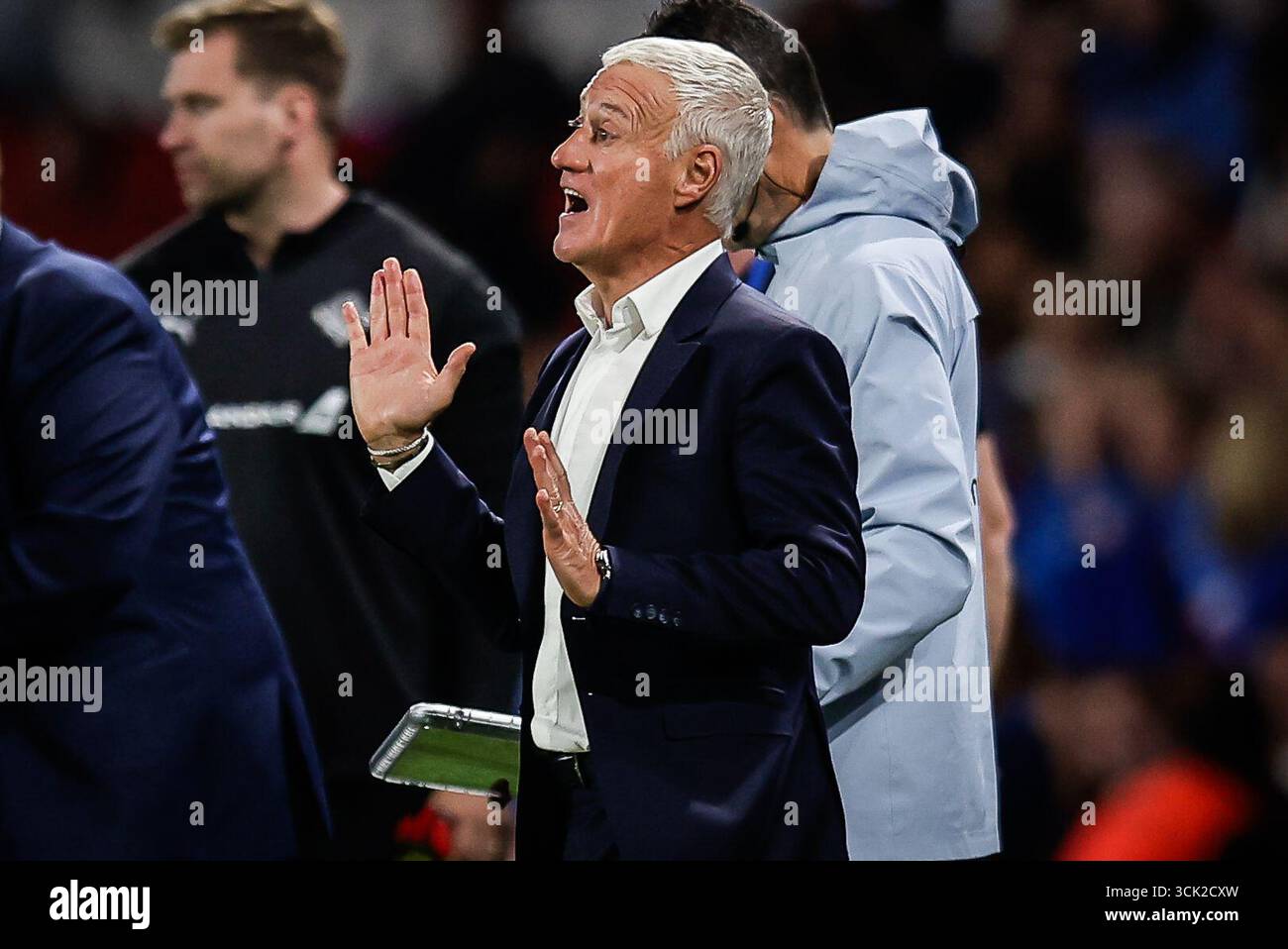
Looking ahead, the French team will transition to their designated base camp for the knockout rounds immediately following the conclusion of the group stage. The next official press conference featuring Didier Deschamps will take place after the Norway match, where the team will address the media regarding their performance and the upcoming challenges in the Round of 16. We invite our readers to share their thoughts on the French team’s performance and the tactical decisions made during this campaign in the comments section below.
Worth a look