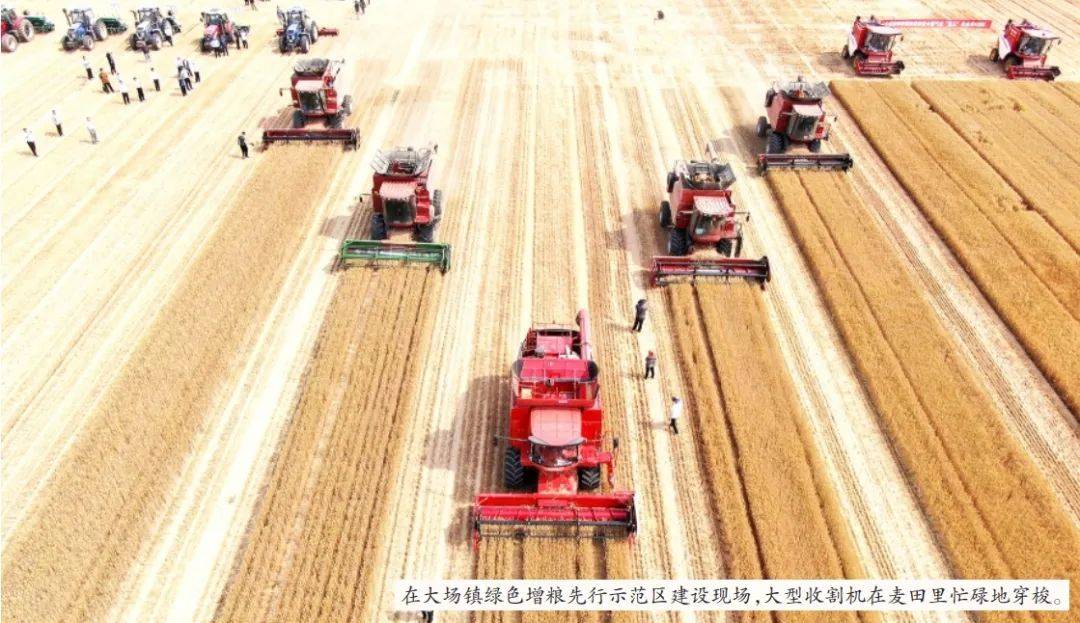
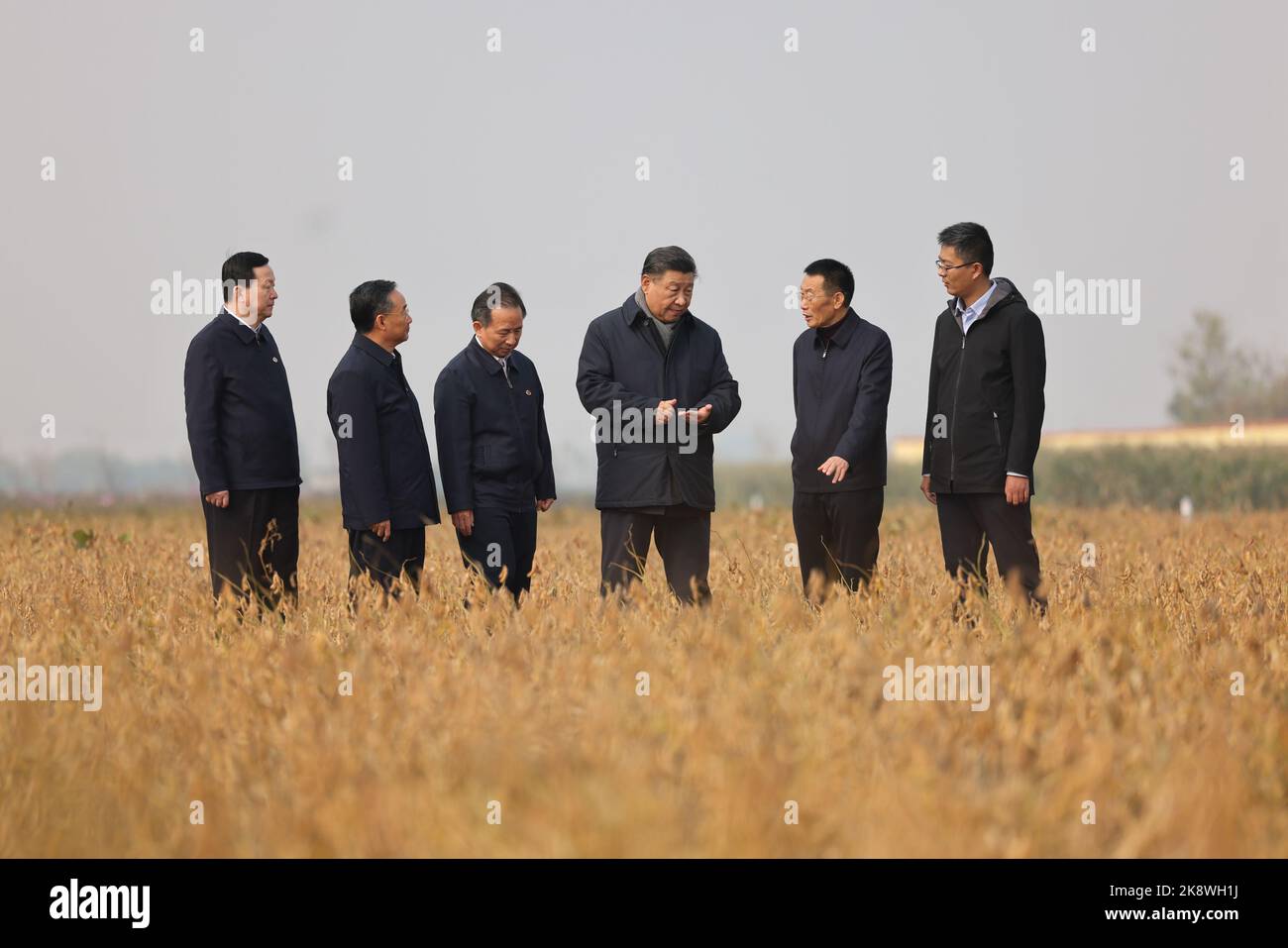
Chinese agricultural authorities are prioritizing the “three summer” tasks—summer harvesting, summer planting, and summer field management—to ensure national food security and establish a robust foundation for the annual grain harvest. On June 24, President Xi Jinping visited Dongyujia Village in Lingcheng District, Dezhou City, Shandong Province, to assess the progress of these operations, including wheat harvesting, corn sowing, and the distribution of agricultural supplies, according to official reports from the state-run Xinhua News Agency.
The “three summer” period represents a critical window in China’s agricultural calendar, as farmers simultaneously finalize the harvest of winter wheat and begin planting summer crops, primarily corn and soybeans. The visit to Shandong, a major grain-producing province, underscores the central government’s focus on maintaining stable food production levels amid fluctuating global market conditions and climate-related challenges.
Understanding the “Three Summer” Agricultural Cycle
The “three summer” (sanxia) season is a vital operational phase for China’s food supply chain. It involves the rapid transition from harvesting winter wheat to preparing fields for autumn-harvested crops. Efficiency during this period is essential to prevent losses due to weather volatility and to ensure optimal growth cycles for the subsequent harvest. According to the Ministry of Agriculture and Rural Affairs, regional coordination and the deployment of mechanized harvesting equipment are central to meeting production targets.
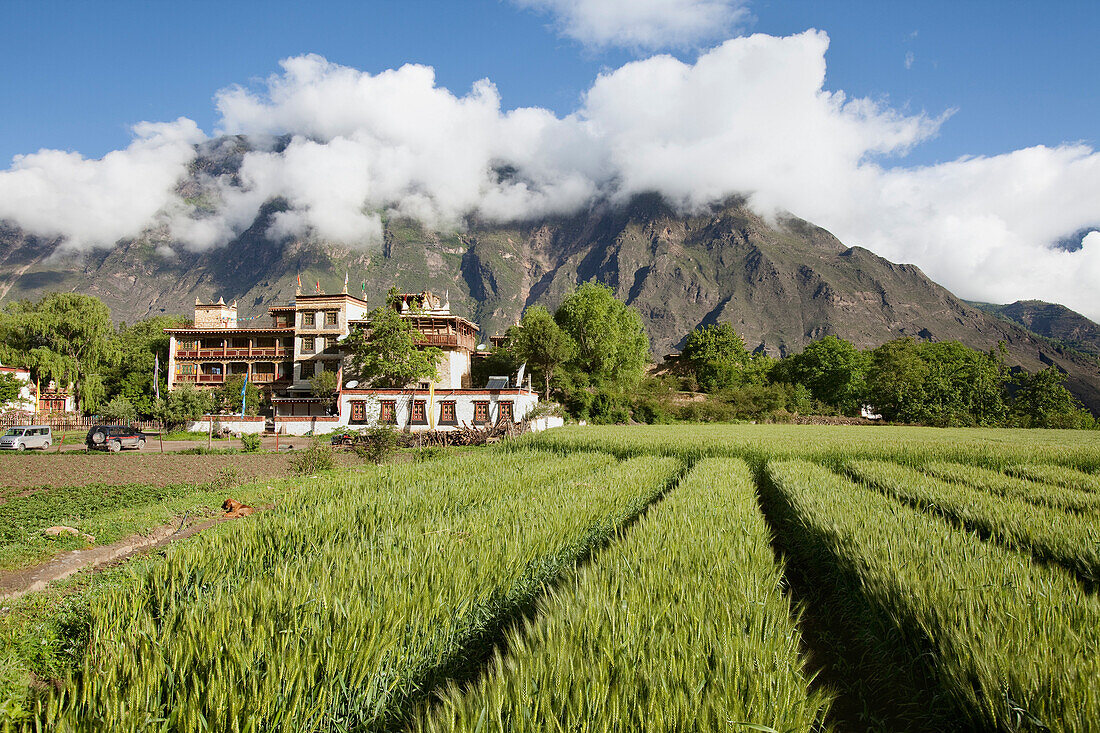
In Dezhou, local agricultural departments have focused on stabilizing the supply of fertilizers, seeds, and pesticides to ensure that farmers have the resources necessary for timely planting. Ensuring the availability of these inputs is a key element of the government’s broader strategy to mitigate risks to domestic food security, a policy priority that has been reinforced through recent State Council directives concerning rural revitalization and agricultural modernization.
Strategic Importance of Grain Production
China continues to emphasize “grain security” as a cornerstone of its national development agenda. The focus on Shandong, which consistently ranks among the top wheat-producing regions in the country, reflects the strategic importance of protecting high-yield farmland. During the visit, the emphasis was placed on the integration of technology in agricultural production, ranging from precision sowing techniques to the use of data-driven field management systems.
Agricultural analysts note that the speed of the “three summer” operations is often dictated by the transition between the wheat harvest and the sowing of corn. Delays in this cycle can impact yields, making the logistical support provided by local governments and agricultural cooperatives a significant factor in total output. The government’s push for “stable production” is supported by investments in rural infrastructure, including irrigation systems and modernized storage facilities, as outlined in the nation’s No. 1 Central Document for 2024.
Addressing Challenges in Modern Farming
While mechanization has improved efficiency, the agricultural sector faces ongoing challenges, including the need for sustainable water use and the management of soil health. The visit to Dongyujia Village highlighted the role of local government oversight in balancing high-intensity farming with long-term ecological preservation. By monitoring wheat yields and input supplies directly, officials aim to identify localized bottlenecks in the supply chain before they escalate into regional supply issues.
The Ministry of Agriculture and Rural Affairs has indicated that it will continue to monitor weather patterns and crop health throughout the summer months to provide timely guidance to farmers. For readers and industry stakeholders, the Ministry’s official portal remains the primary source for technical guidance, weather alerts, and updates on national agricultural policies. Future developments regarding the 2024 harvest will be reported by provincial agricultural bureaus as the summer planting season concludes across the northern plains.
Comments and inquiries regarding agricultural policy or local harvest reports are encouraged in the reader section below.
Worth a look