
A significant portion of the German public supports implementing a minimum age requirement of 16 for access to social media platforms, including TikTok and Instagram. Recent polling data indicates that 57 percent of respondents favor a restrictive policy regarding youth access to these services, reflecting growing national concern over digital safety and the impact of algorithmic content on minors. The survey, which highlights a clear divide in public opinion, also notes that 42 percent of those polled do not support such a blanket ban on social media usage for this age demographic.
This public debate coincides with ongoing legislative efforts across the European Union to strengthen protections for younger users in the digital space. Under the Digital Services Act (DSA), platforms are already required to implement rigorous safety measures, including the protection of minors, as outlined by the European Commission’s official framework. While there is no current federal law in Germany mandating a total ban for those under 16, the discussion highlights the tension between parental responsibility, platform accountability, and individual digital rights.
Understanding the Current Regulatory Environment
The push for stricter age-gating on social media is largely driven by concerns regarding data privacy, cyberbullying, and the addictive nature of short-form video algorithms. In Germany, the protection of minors is governed by the Interstate Treaty on the Protection of Minors in the Media (JMStV). According to the State Media Authorities (Die Medienanstalten), platforms are legally obligated to create age-appropriate environments and prevent children from accessing content that could be harmful to their development. However, critics argue that existing verification methods are easily bypassed, leading to calls for more radical policy shifts.

The European Union has moved to address these systemic risks through the enforcement of the DSA, which mandates that Very Large Online Platforms (VLOPs) perform annual risk assessments. As noted by the Federal Ministry for Economic Affairs and Climate Action, these assessments must specifically account for the negative effects of services on the mental and physical health of minors. While the survey data shows a majority preference for an outright ban, the current legal pathway focuses on enforcing safer design rather than total exclusion.
Why Public Opinion Remains Divided
The 15-percentage-point gap between those who favor a ban and those who oppose it underscores the complexity of regulating digital social spaces. Proponents of a ban argue that social media platforms are inherently designed to prioritize engagement over user well-being, suggesting that minors lack the developmental maturity to manage the psychological pressures of these environments. Conversely, opponents often cite the importance of digital literacy, arguing that total prohibition could isolate young people from essential social connections and educational resources.
Industry stakeholders often point to the difficulty of age verification without compromising user privacy. The implementation of robust age-gating technologies, such as facial age estimation or government-issued ID checks, raises significant concerns regarding the collection of sensitive biometric data. The Federal Commissioner for Data Protection and Freedom of Information has previously emphasized that data minimization must remain a priority, even when pursuing safety-oriented goals for children online.
What Happens Next for Social Media Regulations
While public sentiment is clear, any move toward a legal ban for under-16s would require substantial coordination between the German Bundestag and European regulatory bodies. As of early 2024, there is no active legislative bill in the German parliament proposing a complete prohibition of social media for this age group. Instead, the focus remains on the implementation and enforcement of the DSA, which provides the legal teeth to hold platforms accountable for their impact on minors.
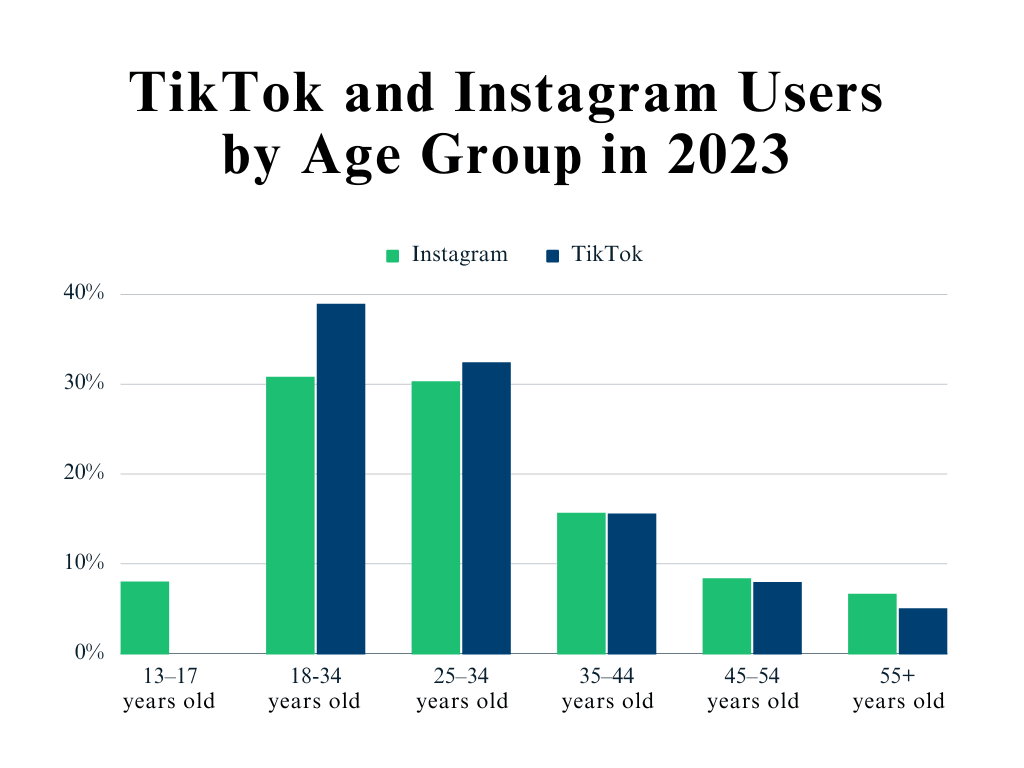
The next major checkpoint for these regulations involves ongoing monitoring by the European Commission, which continues to evaluate the compliance reports submitted by major platforms like TikTok and Instagram. Readers seeking the latest updates on these policy developments can follow the official announcements from the Federal Ministry of Justice, which regularly publishes information regarding the intersection of digital rights and youth protection. We encourage our readers to participate in the conversation by sharing their thoughts on whether regulatory oversight or parental guidance is the most effective tool for navigating the modern digital landscape.