
The World Health Organization (WHO) has issued a formal call for nations to significantly expand newborn screening programs, citing the critical role of early detection in reducing infant mortality and preventing lifelong disabilities. According to a new report released by the agency, birth defects account for approximately 8% of all deaths among children under five years old worldwide. By prioritizing the screening, diagnosis, and management of congenital conditions, health systems can provide life-saving interventions for millions of infants who currently go undiagnosed until it is too late.
As a physician, I have seen firsthand how timely intervention changes the trajectory of a child’s life. The data indicates that an estimated 8 million babies are born with a birth defect annually, with 90% of these cases occurring in low- and middle-income countries where diagnostic resources are often scarce. The WHO emphasizes that while some nations screen for more than 50 conditions, others lack the capacity to screen for any, creating a stark global disparity in child survival outcomes.
The Growing Impact of Congenital Conditions
The proportion of under-five deaths attributed to birth defects has risen significantly over the past two decades. According to the WHO report, Strengthening capacity for newborn screening, diagnosis and management of birth defects, the share of child mortality caused by these conditions in sub-Saharan Africa increased from 1% in 2000 to 4% by 2023. In South Asia, that figure rose from 3% to 11% during the same period. This shift is partially attributed to successful global efforts in reducing deaths from infectious diseases, which has made congenital conditions a more prominent factor in child mortality statistics.

Many conditions that are treatable if caught early—such as congenital hypothyroidism, sickle-cell disease, hearing impairment, and various metabolic disorders—frequently go undetected in resource-limited settings. Dr. Tedros Adhanom Ghebreyesus, WHO Director-General, stated, “No child should miss the chance for a healthy future because a congenital condition was not detected early enough.” The agency’s guidance suggests that countries should begin by identifying priority conditions that can be feasibly managed within their specific health system constraints, rather than attempting to launch comprehensive panels immediately.
Global Success Models for Newborn Screening
Several countries have already demonstrated that large-scale integration of screening into routine healthcare is achievable. The WHO report highlights diverse strategies across multiple continents:
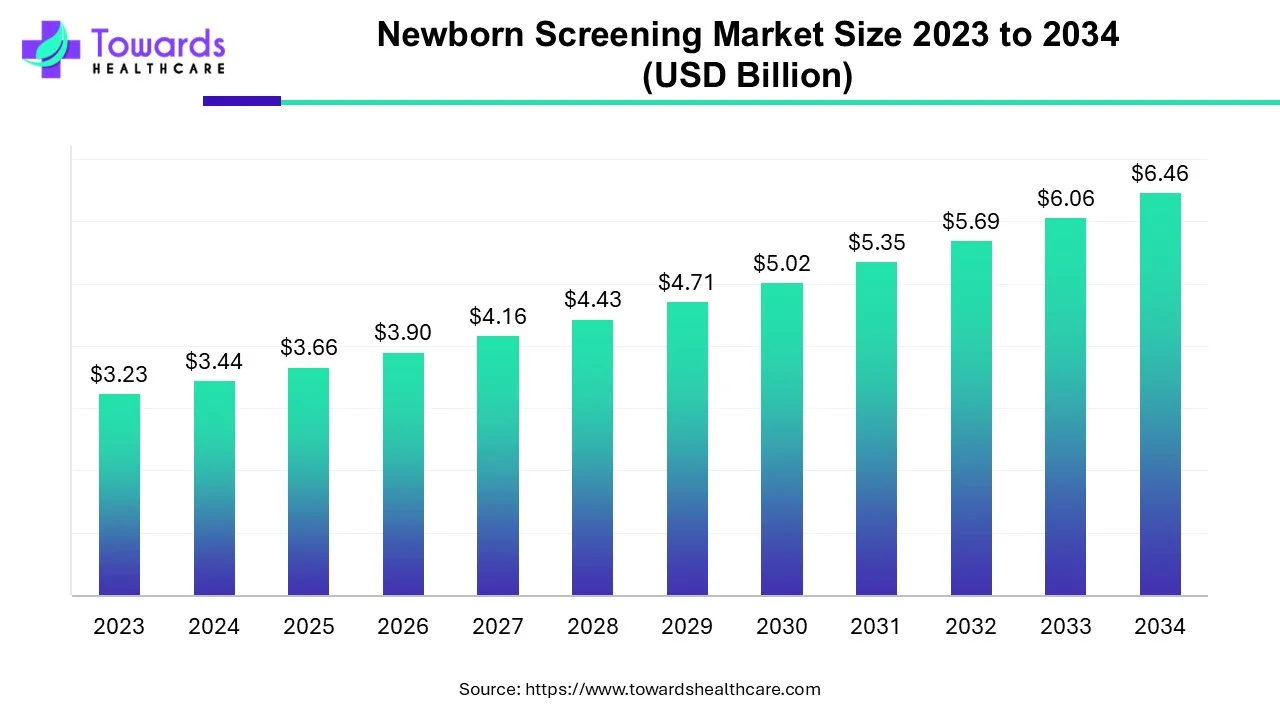
- India: Through a national program, India has screened more than 28 million children over a three-year period. This effort identified approximately 900,000 children with birth defects, linking them to district early intervention centers for long-term care and rehabilitation.
- Philippines: The government has mandated newborn screening by law, covering 29 conditions through a network of over 7,000 facilities. The program is supported by national health insurance, ensuring that diagnostic pathways are accessible to families.
- Egypt: The country’s “newborn care pathway” integrates universal screening for hearing and congenital hypothyroidism directly into primary health services.
- Uganda: The government has implemented a targeted program for sickle-cell disease in high-burden areas, focusing on early identification and long-term follow-up care for affected infants.
- Argentina, Brazil, and Sri Lanka: These nations have also reported success, with Argentina reaching near-universal coverage and Sri Lanka achieving an 80% screening rate for congenital hypothyroidism.
These examples illustrate that successful implementation relies on integrating screening into existing universal health coverage frameworks, rather than treating it as a standalone or isolated medical event.
Why Early Detection Matters
Early screening functions as a vital bridge between a child’s birth and their long-term health potential. When a condition is identified within the first days of life, clinicians can initiate treatment before irreversible damage occurs. For instance, early detection of congenital hypothyroidism allows for immediate hormone replacement therapy, which prevents severe developmental delays. Similarly, early identification of sickle-cell disease allows for prophylactic treatments that significantly reduce the risk of life-threatening infections.
The WHO consultation that informed this report involved a broad spectrum of stakeholders, including government representatives, clinicians, researchers, and families affected by birth defects. Their collective goal is to prioritize the development of diagnostic pathways that are not only medically effective but also sustainable for ministries of health. By focusing on conditions that are country-specific priorities, nations can build capacity incrementally, ensuring that a positive screening result leads to actual access to care rather than a diagnostic dead-end.
Next Steps for Health Policy
The WHO is urging governments to treat newborn screening as a fundamental component of maternal and child health services. The organization’s newly released report serves as a technical resource for policymakers to assess their current capabilities and plan for future expansion. The agency recommends that countries assess their laboratory infrastructure, healthcare workforce training, and referral systems to ensure that every child identified through screening receives the necessary medical support.
As we look toward future health policy developments, the emphasis remains on “universal health coverage,” which includes the essential diagnostic services required for newborns. Monitoring the progress of these initiatives will be a key focus for international health bodies in the coming years. For families and healthcare providers seeking more information, the WHO provides updated guidance and technical tools through its official health topics portal on birth defects. We encourage readers to share their thoughts or experiences with newborn screening programs in their own communities in the comments section below.
Related reading