
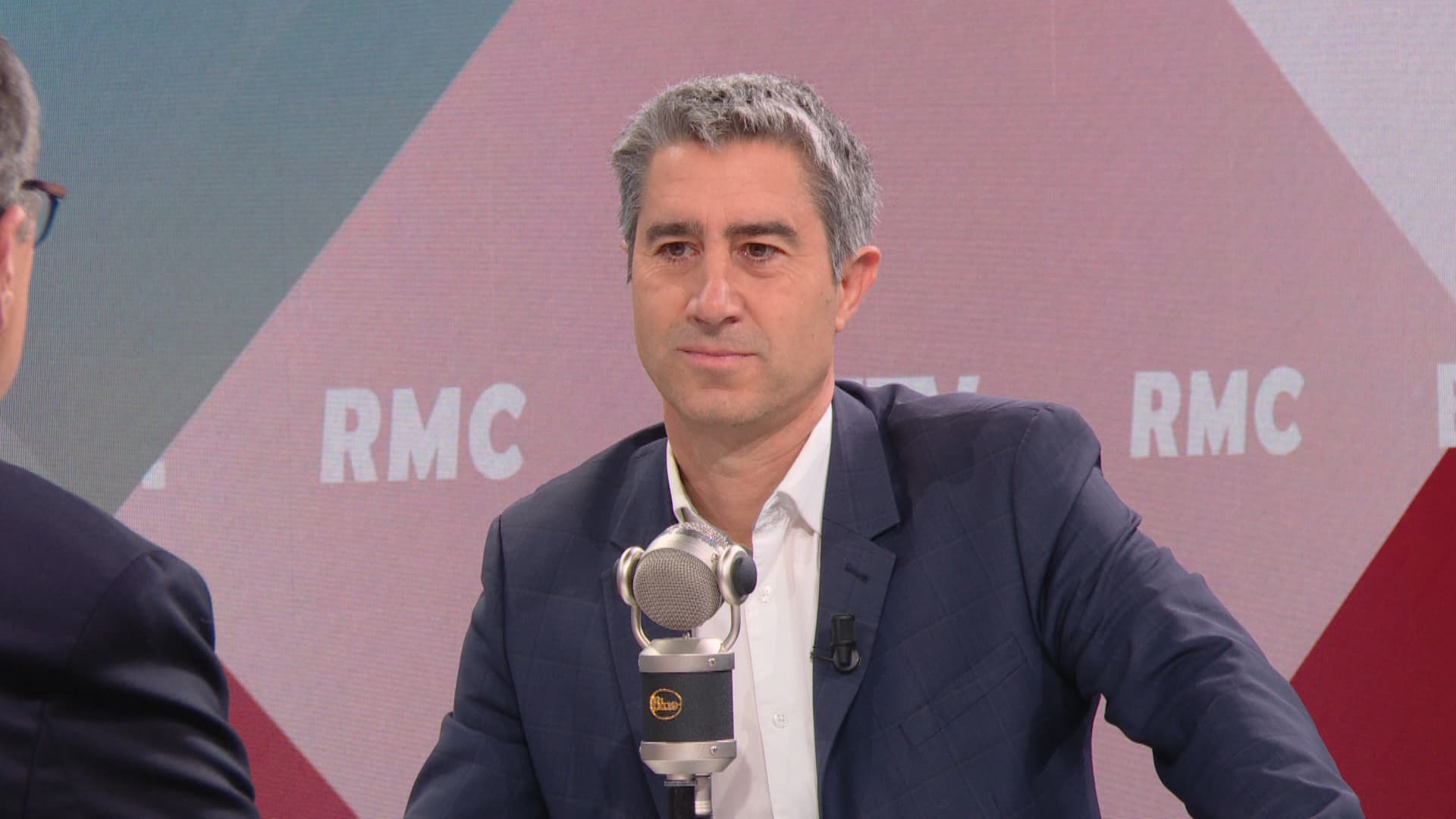
French politician François Ruffin has emerged as a vocal advocate for Symbio, the hydrogen fuel cell joint venture between Forvia and Michelin, amid broader concerns regarding the industrial viability of the European hydrogen sector. The former La France Insoumise deputy, who has signaled his intentions regarding future presidential bids, recently challenged the French government on the state of the domestic hydrogen supply chain and the protection of strategic manufacturing assets.
The intervention highlights the tension between France’s national “France 2030” investment plan, which allocates significant funding toward decarbonized hydrogen, and the practical challenges faced by companies like Symbio as they attempt to scale production in a competitive global market. According to the French government’s official France 2030 roadmap, the state has committed billions to establish a leadership position in green hydrogen, yet industry stakeholders remain concerned about energy costs and the influx of lower-cost international competition.
The Industrial Strategy Behind the Symbio Advocacy
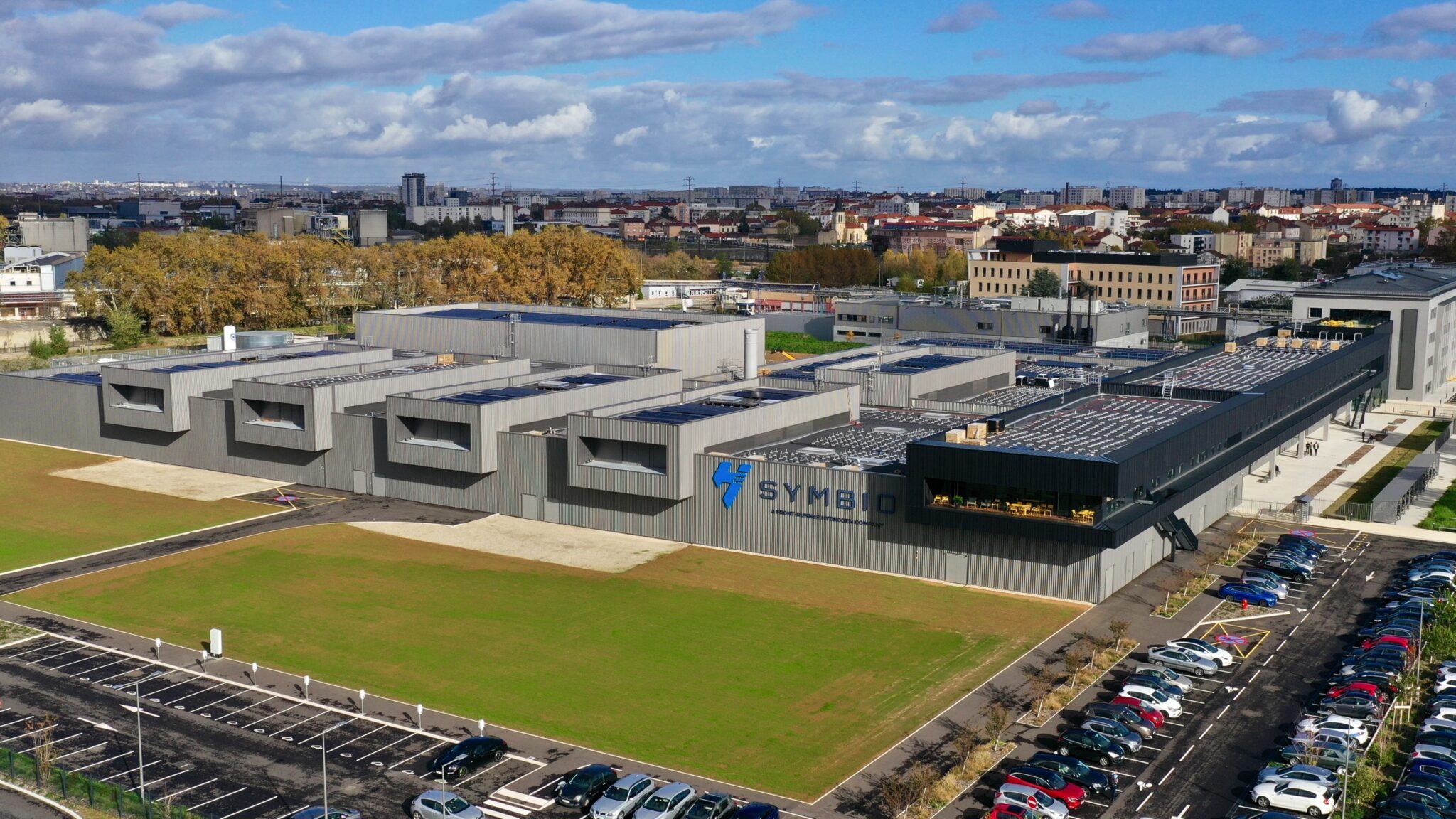
Symbio, headquartered in the Auvergne-Rhône-Alpes region, represents a significant pillar of France’s industrial hydrogen strategy. The company specializes in the development, production, and marketing of hydrogen fuel cell systems for light and commercial vehicles. In 2023, the firm inaugurated “SymphonHy,” which it describes as one of the largest integrated fuel cell production sites in Europe, located in Saint-Fons. The company’s official records confirm that the facility is designed to reach an annual production capacity of 50,000 fuel cell systems by 2026.

François Ruffin’s recent engagement with ministers serves as a critique of current industrial policy, specifically concerning the lack of protectionist measures for French green technology. Ruffin has argued that without a more robust “Buy European” policy, companies like Symbio may struggle to compete against subsidized imports from the United States and China. This reflects a broader shift in French economic discourse, where industrial sovereignty has taken precedence over traditional free-market orthodoxy in the wake of energy price volatility.
Hydrogen Policy and the France 2030 Framework
The French government’s hydrogen strategy is anchored by the goal of producing 6.5 gigawatts of low-carbon hydrogen electrolysis capacity by 2030. As noted by the Ministry of Ecological Transition, this initiative is intended to decarbonize heavy transport and industrial processes that are currently reliant on fossil fuels. However, the deployment of this strategy has faced criticism from various political spectrums, with some arguing that the focus on high-tech manufacturing lacks the necessary support for the broader supply chain.

Ruffin’s parliamentary-style interrogation of the government focused on whether the state is doing enough to ensure that capital investments in hydrogen actually translate into long-term domestic employment. The core of his argument rests on the premise that if French taxpayers are subsidizing the research and development phase of firms like Symbio, the state must ensure that the subsequent manufacturing remains within national borders. This position aligns with his long-standing advocacy for domestic production and the preservation of industrial jobs in France’s manufacturing heartlands.
Market Realities and Future Challenges
The success of the hydrogen sector in France remains tethered to the availability of affordable, carbon-free electricity. According to data from the International Energy Agency, France’s electricity mix is heavily reliant on nuclear power, which provides a competitive advantage for low-carbon hydrogen production, yet the cost of grid connection and infrastructure upgrades remains a significant barrier for companies scaling up operations.
For Symbio, the challenge is twofold: maintaining technological superiority in fuel cell efficiency while simultaneously driving down costs to reach mass-market adoption. While the company has secured backing from automotive giants Michelin and Forvia—and more recently, the Stellantis group—the volatility of the automotive market and the slow pace of hydrogen refueling infrastructure rollout continue to create uncertainty for investors and policymakers alike.
As the French political landscape shifts toward upcoming electoral cycles, the debate surrounding the “hydrogen economy” is expected to intensify. Ruffin’s focus on Symbio indicates that hydrogen is no longer merely a technical or environmental issue, but a core component of the national economic platform. The next checkpoint for these industrial concerns will likely be the upcoming parliamentary budget sessions, where the allocation of further subsidies for the hydrogen sector will face rigorous scrutiny.
Readers interested in following the progress of the SymphonHy project or official government updates on industrial hydrogen policy should monitor the General Directorate for Enterprise (DGE) portal for the latest filings and public tenders. We encourage our readers to share their views on the role of industrial policy in the energy transition in the comments section below.
Keep reading