
Tucker Carlson and U.S. Representative Marjorie Taylor Greene have signaled a formal departure from the traditional Republican Party structure, according to reports from Axios and The New York Times. This shift indicates a growing ideological fracture between the GOP’s populist wing and its established leadership, potentially reshaping the landscape of conservative politics in the United States.
While Representative Greene remains a member of the Republican Party in Congress, her recent rhetoric and actions suggest a rejection of the party’s institutional direction. Similarly, media personality Tucker Carlson has publicly stated his intention to withhold support from the current Republican Party framework. These developments follow a period of increasing tension between the “MAGA” movement and the GOP establishment.
Why are Tucker Carlson and Marjorie Taylor Greene distancing themselves from the GOP?
The primary driver behind this movement appears to be a fundamental disagreement over the Republican Party’s policy priorities and its commitment to the populist base. According to reporting by Axios, the move is characterized by a desire to operate outside the constraints of traditional party discipline. Both Carlson and Greene have frequently criticized Republican leadership for what they describe as a failure to challenge the status quo on issues ranging from border security to foreign intervention.
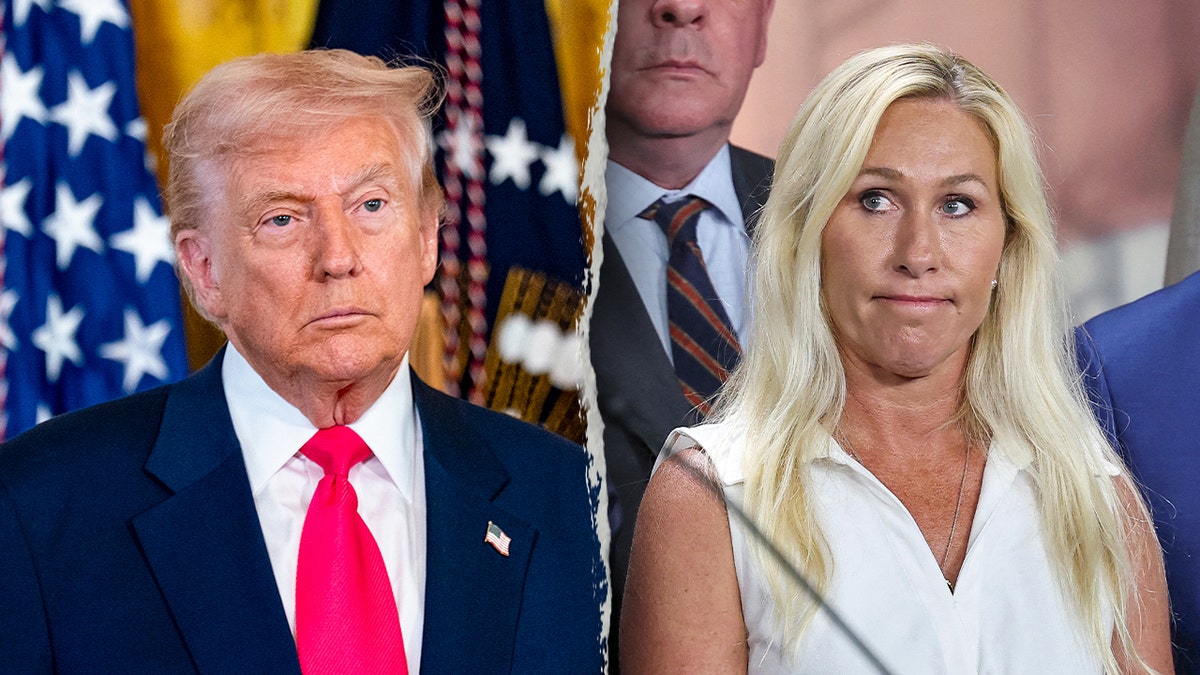
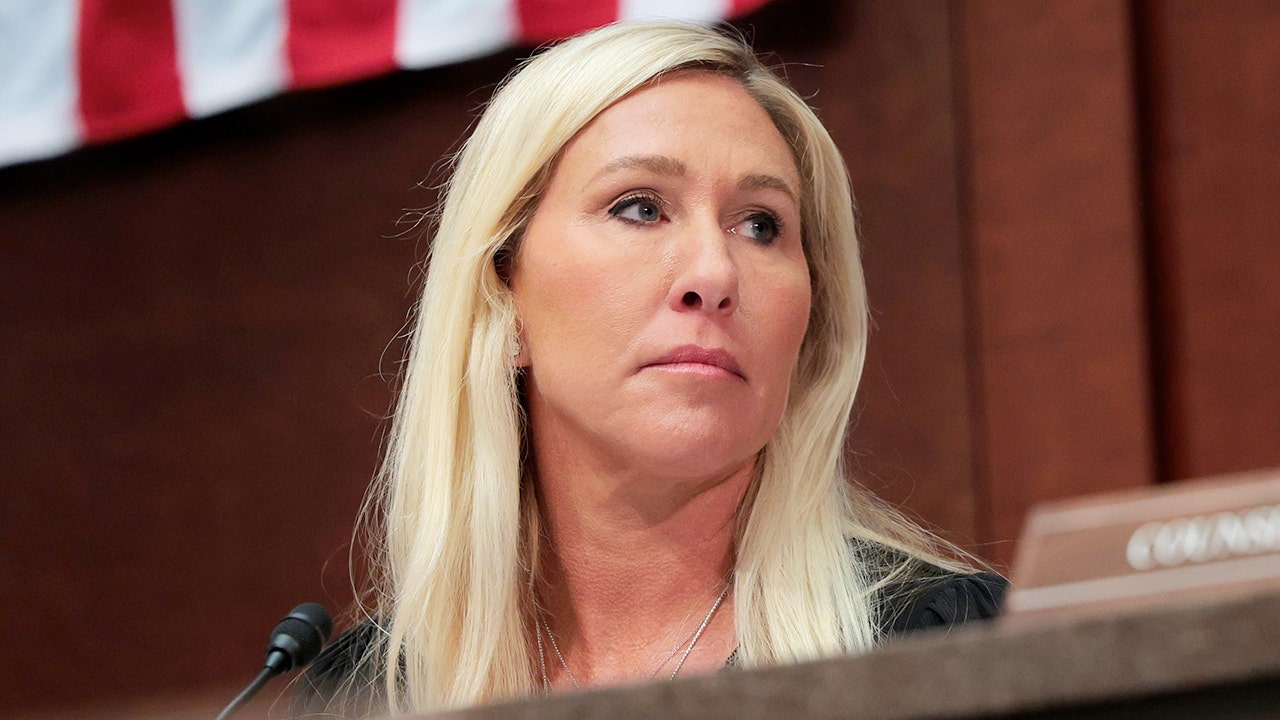
Representative Greene, who represents Georgia’s 14th congressional district, has often positioned herself as a voice for the grassroots, frequently clashing with House Republican leadership. Her critiques often center on the belief that the party’s institutional structure is too accommodating to “establishment” interests. This sentiment mirrors the criticisms leveled by Tucker Carlson, who has used his media platforms to argue that the Republican Party has lost touch with its core constituents.
Political analysts suggest that this “ditching” of the GOP is not necessarily a move toward a new political party, but rather an attempt to build an independent power base. By distancing themselves from the formal party apparatus, Carlson and Greene aim to exert influence through media reach and direct voter engagement, rather than through traditional committee assignments or party-sanctioned endorsements.
How does this shift reflect the broader divide within the Republican Party?
The tension between Carlson, Greene, and the GOP establishment is a microcosm of a larger struggle for the identity of the Republican Party. On one side is the traditional establishment, which often prioritizes institutional stability, incremental policy shifts, and established diplomatic norms. On the other is a populist faction that demands radical departures from previous conservative stances and focuses heavily on cultural and nationalist issues.
This divide is visible in several key areas of political friction:
- Foreign Policy: The populist wing often advocates for an “America First” isolationist approach, contrasting with the more interventionist stances historically held by the Republican establishment.
- Legislative Strategy: Populists frequently favor disruptive tactics and high-profile confrontations, while establishment leaders often prioritize bipartisan negotiation and legislative procedure.
- Candidate Selection: There is an ongoing struggle over whether the party should nominate candidates based on institutional experience or those who command significant social media and grassroots momentum.
The New York Magazine characterized this development as a choice of “irrelevance” over the GOP, suggesting that by operating outside the party, these figures risk losing the direct legislative and institutional power that comes with formal affiliation. However, supporters of the movement argue that the current party structure is already failing the voters, making an external approach necessary.
What are the potential political consequences for the Republican establishment?
The decision by prominent conservative figures to distance themselves from the GOP creates several challenges for the party’s leadership. First, it threatens the party’s ability to maintain a unified front during elections. If a significant portion of the base follows the lead of figures like Carlson and Greene, the Republican Party may struggle to consolidate support behind official party nominees.
Second, this shift complicates fundraising and organizational efforts. The Republican National Committee (RNC) relies on a cohesive party identity to drive donations and volunteer engagement. A fragmented party, where major voices operate independently, could lead to a dilution of resources and a lack of strategic coordination.
Third, the rise of independent conservative media, led by figures like Carlson, provides an alternative to the traditional party communication channels. This allows populist leaders to bypass party messaging and speak directly to voters, often undermining the talking points of GOP leadership. This decentralization of political communication makes it increasingly difficult for the party to control its own narrative.
The impact of this realignment will likely be most visible in upcoming primary elections, where the tension between establishment-backed candidates and populist insurgents is expected to intensify. The ability of the GOP to integrate these populist elements without losing its institutional foundation remains a central question for the party’s future.
Comparison of Media Framing: Axios vs. New York Magazine
The way this story is being reported varies significantly between major news outlets, reflecting different analytical perspectives on the movement.
| Outlet | Primary Framing | Implication |
|---|---|---|
| Axios | Strategic departure and realignment. | Suggests a calculated move to gain influence outside traditional structures. |
| New York Magazine | A choice of irrelevance. | Suggests that abandoning the party structure will lead to a loss of actual political power. |
| The New York Times | A deepening rift and institutional crisis. | Focuses on the threat to party unity and the broader stability of the GOP. |
Frequently Asked Questions
Has Marjorie Taylor Greene officially left the Republican Party?
No. As of current reports, Representative Greene remains a registered member of the Republican Party and holds office as a Republican. Her “ditching” refers to her ideological distancing and criticism of the party’s leadership and direction.
Does Tucker Carlson have any formal role in the Republican Party?
No. Tucker Carlson is a media personality and does not hold an official position within the Republican National Committee or any other formal party organization.
How does this affect the 2024 election cycle?
The movement could lead to more contested primaries and a potential split in conservative voter turnout if the populist and establishment wings of the party cannot find common ground.
What is the “MAGA” movement’s relationship to the GOP?
The MAGA movement is a populist faction within the Republican Party that emphasizes nationalism, immigration restriction, and a rejection of traditional conservative establishment norms. It currently holds significant influence over the party’s base.
The next significant indicator of this political shift will be the upcoming Republican primary cycles and any official statements regarding party platform revisions for the next election cycle.
What are your thoughts on the fracturing of the Republican Party? Should the GOP embrace these populist elements or double down on institutional tradition? Let us know in the comments below and share this article with your network.