
Republican senators shifted their voting positions to block a measure intended to restrict presidential war powers regarding Iran, a reversal that followed direct pressure from the White House. The move effectively shielded the administration’s current Iran policy from legislative intervention, ending a brief period of internal GOP friction that had emerged during private discussions on Capitol Hill. According to reports from the New York Times, the shift occurred after a closed-door meeting where the administration’s stance was communicated to key lawmakers, leading several members to abandon their support for the restrictive resolution.
The resolution, which sought to require congressional authorization for military action against Iran, failed to garner the necessary support to overcome procedural hurdles. This legislative outcome reinforces the executive branch’s authority in foreign policy and military engagement, a dynamic that has remained a central point of contention between the legislative and executive branches. The CBS News report confirmed that the final vote count fell short of the threshold needed to impose constraints on the president’s ability to initiate hostilities without explicit congressional approval.
The Shift in Republican Voting Patterns
The legislative maneuver was characterized by a rapid realignment of Republican senators who had previously expressed concern over the administration’s approach to Middle Eastern security. Initial momentum for the resolution—which sought to invoke the War Powers Resolution of 1973—was blunted as leadership emphasized the importance of party unity and executive flexibility in negotiations. As noted by CNN, lawmakers who had signaled an intent to vote in favor of the restriction ultimately reversed their positions after direct engagement with the White House.
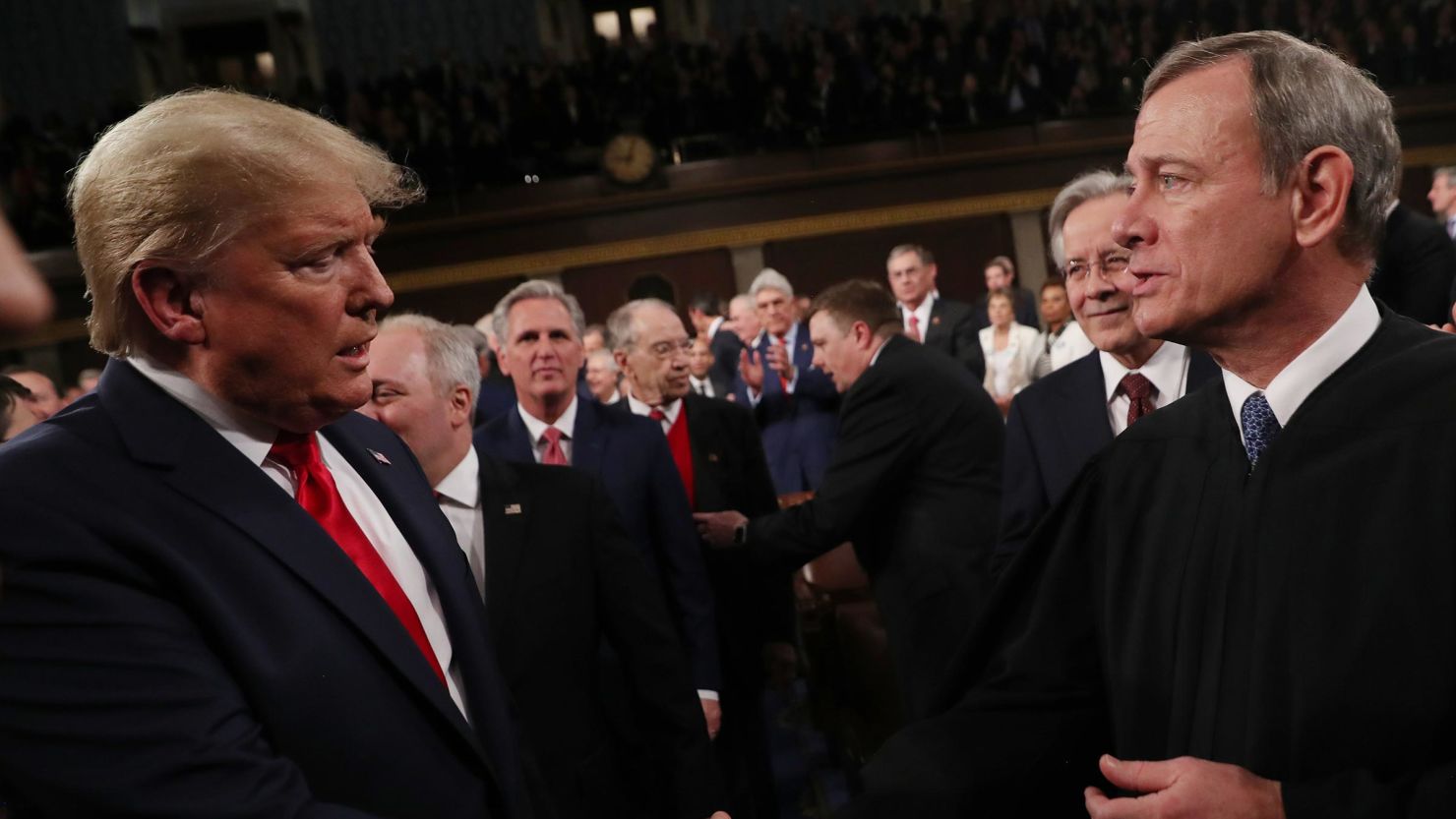
This reversal highlights the influence of executive-legislative dynamics in matters of national security. While several members of the Senate had been critical of the administration’s decision-making process, the final tally reflected a broader consensus among the party’s rank-and-file to avoid public disagreement with the administration on foreign policy. The Washington Post reported that the change in direction was a direct response to the administration’s insistence that the resolution would undermine ongoing diplomatic and security efforts in the region.
Understanding the War Powers Resolution
The debate centered on the War Powers Resolution, a federal law enacted in 1973 designed to check the president’s power to commit the United States to an armed conflict without the consent of Congress. Under the statute, the president must notify Congress within 48 hours of committing armed forces to military action and must end those hostilities within 60 days unless Congress authorizes an extension or declares war. The National Archives maintains the text of this legislation, which remains the primary legal framework for these disputes.

Proponents of the measure argued that the executive branch had overstepped its constitutional bounds, while opponents maintained that the resolution was an unnecessary infringement on presidential authority. The legal interpretation of these powers has been a recurring theme in American politics, with various administrations citing the need for “rapid response capabilities” as justification for bypassing legislative oversight in specific instances. This recent vote underscores the ongoing tension between the two branches of government regarding where the authority to deploy military force ultimately resides.
Impact on Future Diplomatic Negotiations
The failure of the measure to pass has significant implications for how the administration approaches foreign policy in the Middle East. By maintaining broad authority, the executive branch retains the ability to utilize military threats or actions as components of a wider diplomatic strategy. According to Fox News, proponents of the administration’s strategy argued that the threat of force is essential to successful negotiations with Iranian leadership, and that any legislative restriction would signal weakness to adversaries.
Critics, however, suggest that the lack of congressional oversight could lead to unintended escalations. The debate is likely to continue as the administration moves forward with its broader Iran policy, which has included economic sanctions and the deployment of additional military assets to the region. As the situation evolves, international observers and domestic stakeholders will be looking for signs of how the current policy affects regional stability and the potential for a return to formal diplomatic talks.
Next Steps for Congressional Oversight
The Senate’s rejection of the restrictive measure leaves the administration’s current posture largely intact. While there are no immediate plans for further legislative action on this specific resolution, the issue of war powers remains a subject of interest for several committees in both the House and the Senate. Future hearings and committee briefings will likely focus on the administration’s long-term strategy for Iran and the legal justifications for military deployments.
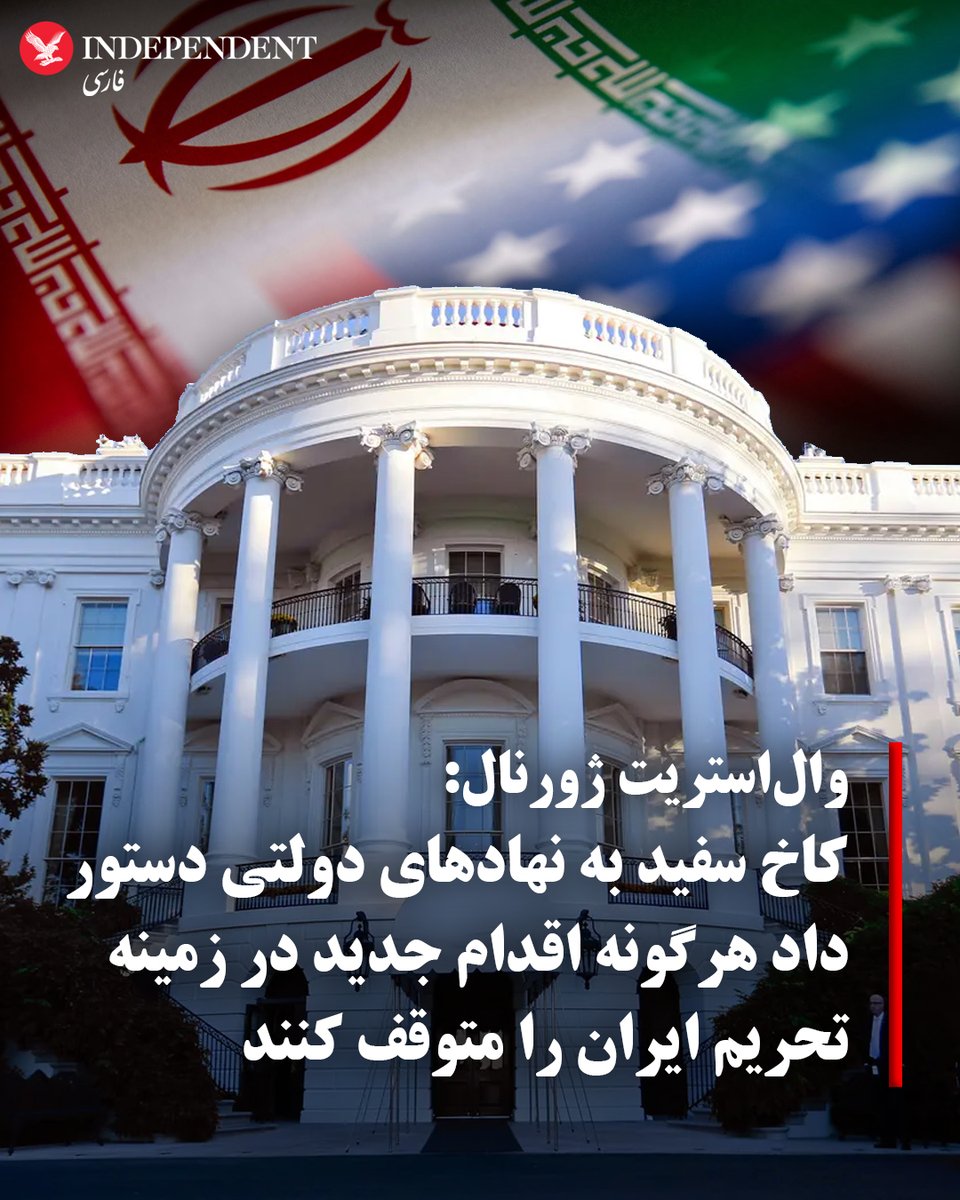
The next major checkpoint for this issue will be the submission of future reports to Congress regarding regional military activities, which are required under existing oversight protocols. Interested readers can find official updates and transcripts of legislative proceedings on the official U.S. Senate website. We encourage readers to share their views on this development in the comments section below as the situation continues to develop.