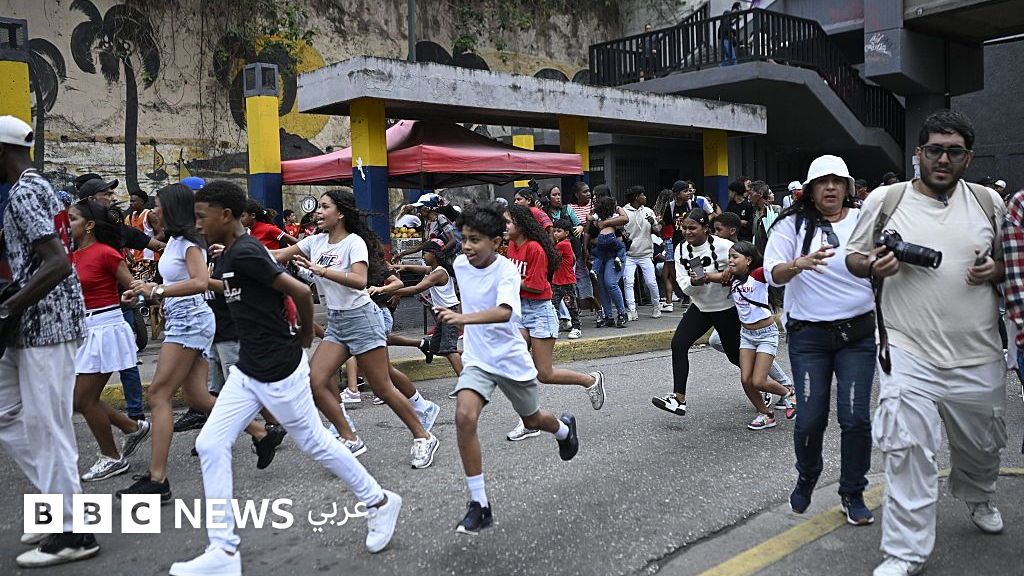
Seismic activity recently struck the Venezuelan coast, prompting international concern and widespread reports of property damage and casualties. While global leaders and regional organizations have issued statements regarding the impact of these events, official figures from the Venezuelan government, primarily through the Foundation for Seismological Research (FUNVISIS), remain the primary authority for assessing the scope of the disaster and the associated humanitarian response.
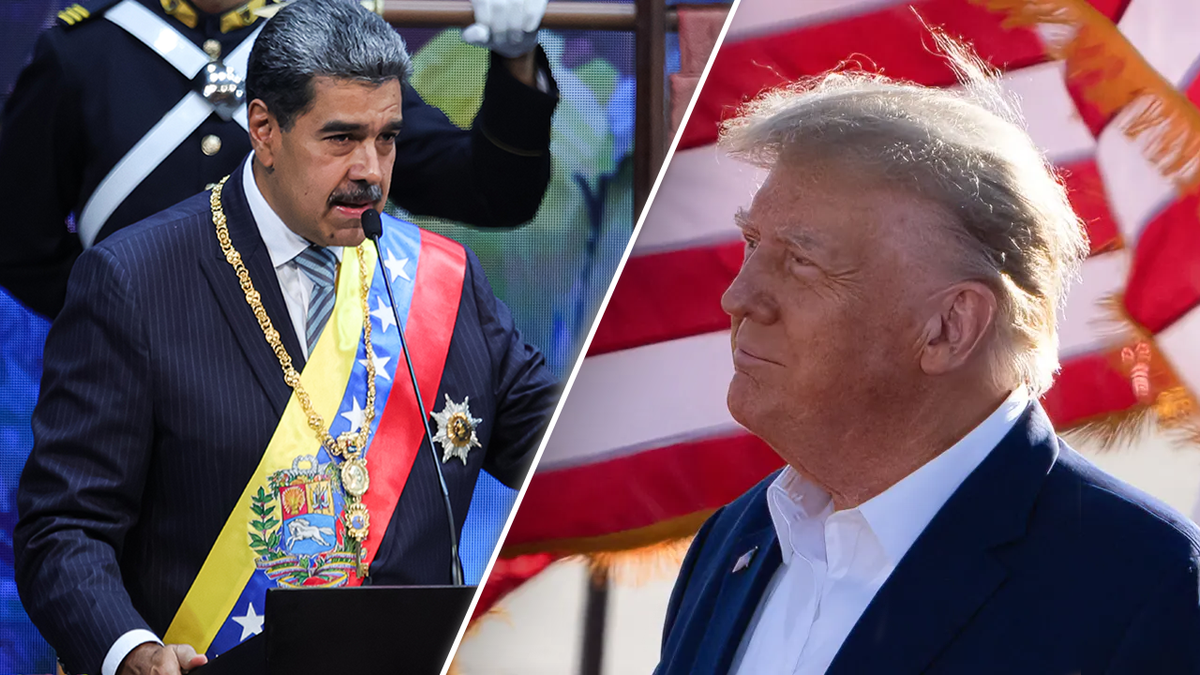
The situation escalated in international discourse following public comments by former U.S. President Donald Trump, who alleged that the seismic events resulted in a significant loss of life. However, these claims have been met with caution by independent observers and international monitors who emphasize that verified casualty counts should be sourced exclusively from local civil protection agencies and the World Health Organization (WHO), which tracks health-related emergencies in the region.
Understanding the Seismic Context in Venezuela
Venezuela sits in a complex tectonic setting where the Caribbean Plate meets the South American Plate. This interaction creates a high-risk environment for seismic activity, particularly along the northern coastline where the majority of the country’s population resides. According to the United States Geological Survey (USGS), historical data indicates that while the region is prone to earthquakes, the intensity and frequency vary significantly by decade.
Recent events have triggered immediate protocols from the National Directorate of Civil Protection and Disaster Administration. Emergency teams were deployed to affected coastal cities to conduct search and rescue operations and to assess the structural integrity of critical infrastructure. In situations involving coastal earthquakes, the Pacific Tsunami Warning Center typically provides real-time monitoring to determine if a tsunami threat exists, ensuring that coastal communities receive timely alerts to evacuate to higher ground.
International Response and Diplomatic Engagement
Following the reports of the tremors, several nations issued statements of solidarity. The Saudi Press Agency reported that the Kingdom of Saudi Arabia expressed its condolences to the government and people of Venezuela, underscoring the humanitarian nature of the response. Such diplomatic gestures are standard practice in the wake of natural disasters, reflecting a global commitment to providing aid and support during crises.
The discrepancy between anecdotal reports of casualties and official government data highlights the challenges of information verification in disaster zones. When international figures comment on domestic events in foreign nations, their statements often circulate rapidly on social media platforms. However, The International Federation of Red Cross and Red Crescent Societies advises that during the immediate aftermath of an earthquake, the public should prioritize information from local emergency management offices to avoid the spread of misinformation.
Safety Measures and Emergency Preparedness
For those residing in or traveling through seismic zones, preparation is essential. The U.S. Department of Homeland Security recommends the “drop, cover, and hold on” method during active shaking. Post-event, it is vital to check for gas leaks, electrical damage, and structural cracks before re-entering buildings. In Venezuela, local authorities utilize radio broadcasts and SMS alerts to disseminate information on the location of emergency shelters and aid distribution points.

Residents are encouraged to monitor the official FUNVISIS X (formerly Twitter) account for the most accurate and up-to-date seismic data. As the recovery process begins, the international community continues to observe the situation, awaiting further updates from the Venezuelan Ministry of Interior, Justice, and Peace regarding the long-term impact on affected communities and the status of ongoing reconstruction efforts.
This situation remains fluid. The next official update is expected to come from the Venezuelan government’s periodic disaster assessment reports, which will provide a clearer picture of the human and economic impact. We invite our readers to share their thoughts and stay informed by monitoring official government channels for further developments.