
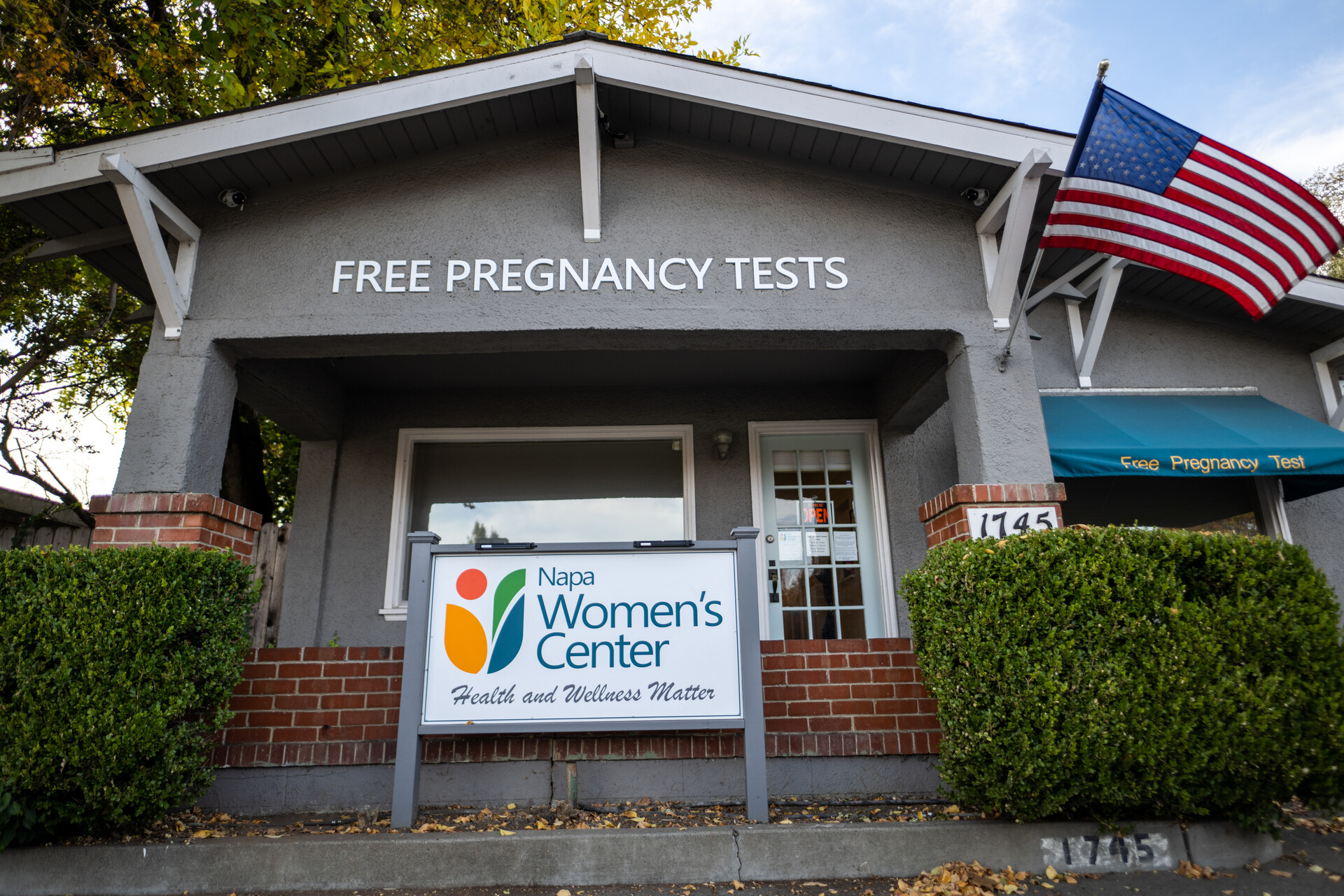
The launch of the Moms.gov website by the Trump administration has drawn scrutiny from U.S. senators and public health advocates regarding the inclusion of crisis pregnancy centers (CPCs) as primary resources for expectant mothers. Federal lawmakers and medical organizations have raised concerns about whether these centers, which frequently provide counseling without offering comprehensive reproductive health services, are being presented as equivalent to licensed medical clinics.
As a physician and health editor, I have monitored the evolving landscape of maternal health policy and the increasing intersection of federal digital initiatives with private, non-clinical advocacy groups. Understanding the distinction between these entities is essential for patients seeking evidence-based prenatal care.
The Role of Crisis Pregnancy Centers in Federal Health Policy
Crisis pregnancy centers are organizations that typically offer pregnancy testing, limited ultrasound services, and counseling. However, as noted by the American College of Obstetricians and Gynecologists (ACOG), many of these facilities are not licensed medical clinics and do not provide comprehensive reproductive health care, such as contraception or abortion services. The ACOG has formally stated that these centers may provide misleading information to patients regarding their medical options, potentially delaying access to necessary clinical care.

The integration of these centers into a federal web portal has prompted formal inquiries from members of Congress. Senators have expressed apprehension that directing users toward non-medical facilities under a government-sanctioned banner could create confusion for individuals seeking standard obstetric care. According to the U.S. Senate Committee on the Judiciary, oversight of federal information platforms is intended to ensure that health resources provided to the public adhere to established medical standards and provide accurate, non-coercive information.
Distinguishing Between Clinical and Non-Clinical Care
For patients and their families, navigating maternal health resources requires distinguishing between licensed medical practices and non-clinical support centers. Licensed medical clinics—such as those operated by hospitals, community health centers, or private OB-GYN practices—are subject to state medical board oversight, privacy regulations like HIPAA, and established standards of care. In contrast, many CPCs operate as charitable or religious organizations, which may exempt them from certain medical licensing requirements depending on the state in which they operate.
The Health Resources and Services Administration (HRSA), an agency within the U.S. Department of Health and Human Services, provides verified tools for locating federally qualified health centers. These facilities are required to provide a comprehensive range of health services, including prenatal care, regardless of a patient’s ability to pay. Relying on verified government directories ensures that patients connect with providers who are held to federal quality and safety benchmarks.
Congressional Oversight and Future Policy Directions
The debate surrounding Moms.gov reflects a broader tension in U.S. healthcare policy regarding the role of private advocacy groups in public health outreach. Senate inquiries into the site’s content emphasize the necessity of transparency in how government agencies curate lists of medical service providers. Lawmakers have requested documentation regarding the criteria used to vet entities featured on the site to determine if those entities meet the standard of care expected by the public.
While the administration maintains that the site serves as a resource for maternal support, critics argue that the inclusion of non-medical providers undermines the integrity of public health information. The Government Accountability Office (GAO) frequently conducts audits of federal digital platforms to ensure they provide accurate and transparent data to the public; however, no specific audit of the Moms.gov platform has been finalized or released at this time. Future updates to the site will likely depend on the outcomes of ongoing congressional oversight and potential changes in administrative policy regarding digital health communication.
For those seeking reliable maternal health information, official resources remain the most secure path. The Centers for Disease Control and Prevention (CDC) offers evidence-based guidance on pregnancy, postpartum health, and infant care that is reviewed by panels of medical experts. As the situation develops, we will continue to monitor official filings and Senate committee reports for updates on the platform’s content and its impact on public health communication.
Readers are encouraged to verify the licensure of any facility they choose for medical care through their respective state medical boards. If you have questions about this developing story or wish to share your experience with public health resources, please engage in the comments section below.
Worth a look