Digital safety experts and pediatric health professionals are raising concerns about how the consumption of true crime media may be facilitating the radicalization of minors within online communities. Recent observations from clinical settings suggest that exposure to graphic, real-world violence in digital formats—coupled with participation in anonymous social platforms—can lead adolescents toward extremist subcultures, including those that glorify mass casualty events or promote hate-based ideologies.
As a physician who has followed the intersection of digital media and adolescent behavioral health for over a decade, I have observed that the mechanisms of radicalization are shifting from traditional offline recruitment to decentralized, algorithm-driven online spaces. Parents often remain unaware of the extent to which their children interact with extremist content, as these interactions frequently occur within encrypted messaging apps or gaming platforms that lack robust parental oversight.
According to the U.S. Surgeon General’s Advisory on Social Media and Youth Mental Health, digital platforms can expose young people to harmful content, including self-harm, violence, and extremist material, which can exacerbate existing vulnerabilities or contribute to new behavioral issues. The transition from passive consumption of true crime content to active engagement in digital communities that celebrate perpetrators of violence represents a growing public health challenge that requires immediate attention from both parents and policymakers.
The Mechanics of Online Radicalization Among Youth
The path to radicalization in the digital age often begins with curiosity. True crime, a genre that has seen an explosion in popularity across podcasts and streaming services, often frames perpetrators of mass violence as “anti-heroes” or subjects of intense, morbid fascination. When this interest migrates from mainstream media to niche online forums, the tone often shifts from investigative to celebratory.
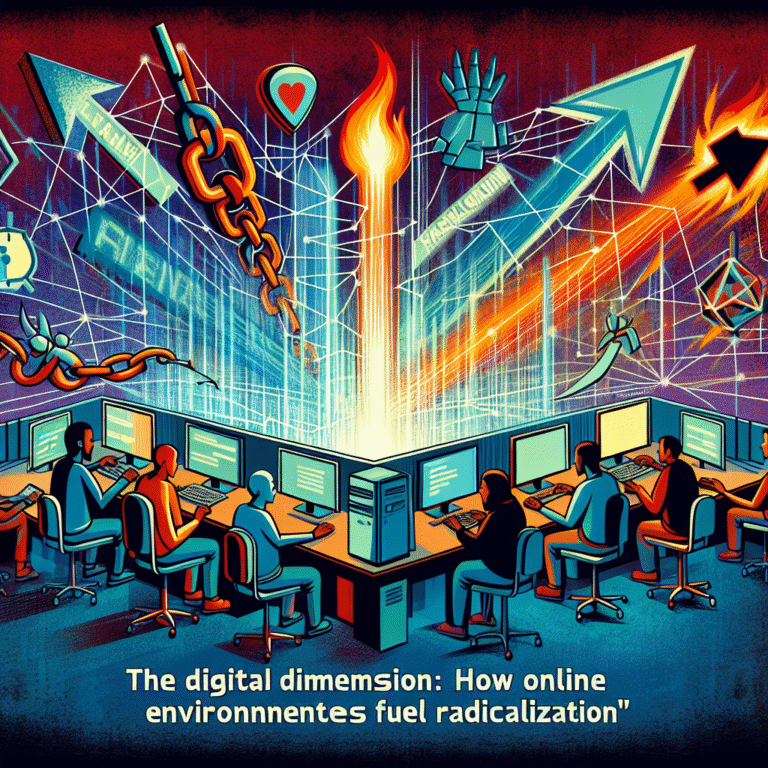
On platforms such as Discord or Roblox, users may encounter “fandoms” dedicated to mass shooters. These groups often engage in role-playing scenarios, sharing fan art, or circulating manifestos. The Federal Bureau of Investigation (FBI) has consistently warned that online radicalization is a complex process where individuals are often groomed by peers or extremist influencers to adopt violent ideologies, frequently using gaming environments to normalize aggressive behaviors and desensitize minors to lethal outcomes.

The danger lies in the algorithmic nature of social media. Once a user demonstrates interest in violent themes, platforms are designed to serve increasingly extreme content to maintain engagement. This feedback loop can isolate a child from their traditional support networks, replacing them with a digital echo chamber that validates violent fantasies. Data from the Cybersecurity and Infrastructure Security Agency (CISA) highlights that the lack of critical media literacy among adolescents makes them particularly susceptible to the misinformation and radical narratives prevalent in these unregulated online spaces.
Identifying Warning Signs in Adolescent Behavior
Detecting radicalization in its early stages is difficult, as the behavior is often hidden behind the veneer of “gaming” or “internet culture.” However, clinical psychologists note that sudden changes in a child’s social habits, language, or emotional regulation can be critical indicators. Parents should monitor for signs of increased social withdrawal, the adoption of extremist terminology, or a preoccupation with violent imagery.
According to the American Academy of Pediatrics, the most effective tool for prevention is active, non-judgmental communication. Rather than simply restricting access—which may push the behavior further underground—parents are encouraged to engage in “co-viewing” or “co-playing” to understand the digital environments their children inhabit. Establishing clear boundaries regarding content consumption and maintaining open dialogue about the reality of violence, as opposed to its dramatized version in media, remains a cornerstone of digital hygiene.
It is important to differentiate between a healthy curiosity about justice and a fixation on the mechanics of violence. If a child begins to express empathy for perpetrators or shows an interest in the logistics of mass casualty events, these are red flags that necessitate professional intervention. The Substance Abuse and Mental Health Services Administration (SAMHSA) provides resources for families to identify mental health concerns and seek appropriate support before these interests manifest into real-world harm.
Policy and Platform Responsibility
The responsibility for moderating content and preventing the radicalization of minors does not rest solely with parents. Technology companies have faced increasing pressure from global regulators to implement stricter safety measures. In the European Union, the Digital Services Act (DSA) mandates that large online platforms assess and mitigate systemic risks, including the dissemination of content that incites violence or promotes radicalization.

However, enforcement remains inconsistent. While many platforms have updated their terms of service to prohibit the glorification of violence, the sheer volume of user-generated content makes comprehensive moderation a technical challenge. Experts in public health policy advocate for a multi-stakeholder approach, involving educators, mental health professionals, and tech developers to build “safety by design” features into applications used by children.
Future efforts to curb this trend will likely focus on increasing transparency for algorithmic decision-making and enhancing digital literacy programs in schools. As the digital landscape continues to evolve, the ability to recognize and counter the influence of radicalizing content will be as essential as any other life skill. For now, the most effective safeguard remains a vigilant, informed, and engaged community of parents who prioritize the mental well-being of their children over the convenience of unmonitored digital access.
The next major checkpoint for digital safety policy in the European Union involves the ongoing compliance assessments under the Digital Services Act, with the European Commission expected to provide further guidance on risk mitigation for social media platforms throughout the coming year. We encourage readers to share their thoughts or experiences in the comments section below as we continue to track this critical public health issue.
Keep reading