Rescue teams are working through debris across multiple regions in Venezuela following a pair of high-magnitude earthquakes that have resulted in at least 164 confirmed deaths. According to government officials, the seismic events have left approximately 971 people injured and caused widespread structural damage, trapping an unknown number of residents beneath collapsed buildings.
Emergency Response and Current Casualty Figures
The humanitarian situation remains fluid as search-and-rescue operations continue in the hardest-hit zones. Venezuelan authorities confirmed the death toll reached 164 early Thursday, with the number of injured citizens climbing toward 1,000 as medical facilities struggle to manage the influx of trauma patients. The United States Geological Survey (USGS) typically monitors seismic activity in the Caribbean region, providing critical data that helps international aid organizations coordinate their response to such disasters.

Local emergency services, supported by regional civil protection agencies, are currently prioritizing the extraction of survivors from residential areas where multi-story buildings sustained heavy damage. The scale of the destruction has prompted calls for international cooperation to provide heavy machinery and specialized medical supplies, which are currently in short supply at local clinics.
Geological Context of the Seismic Events
Venezuela sits near the boundary of the Caribbean and South American tectonic plates, a region historically susceptible to significant seismic activity. Geologists often note that the complex fault systems in northern Venezuela require stringent adherence to building codes to mitigate the impact of major tremors. While the Venezuelan Foundation for Seismological Research (FUNVISIS) monitors these risks, the sheer intensity of this week’s pair of quakes appears to have overwhelmed the structural integrity of older infrastructure in affected urban centers.
The temporal proximity of the two quakes—occurring in rapid succession—has complicated rescue efforts, as aftershocks have continued to destabilize buildings already weakened by the initial impact. Engineering experts emphasize that the primary challenge in such scenarios is the risk of secondary collapses, which often endangers both the survivors remaining inside and the personnel conducting search operations.
Economic and Social Impact
Beyond the immediate loss of life, the earthquakes have disrupted critical infrastructure, including power grids and water distribution systems. The economic implications are expected to be substantial, as the country faces the dual challenge of managing a large-scale humanitarian crisis while addressing the long-term displacement of families whose homes have been rendered uninhabitable. According to the United Nations Office for the Coordination of Humanitarian Affairs (OCHA), rapid assessments are essential in the first 72 hours following such events to prevent the secondary spread of disease and ensure the equitable distribution of aid.
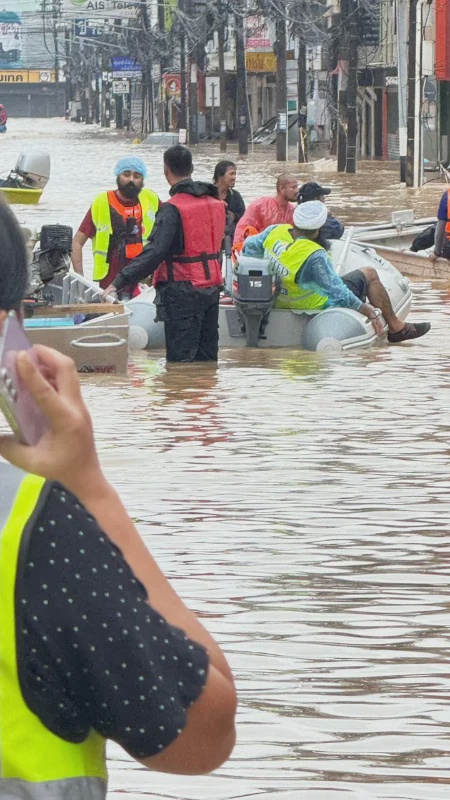
For many residents, the primary concern remains the safety of missing loved ones. The government has established temporary shelters, but officials report that many citizens are reluctant to leave the vicinity of their homes, choosing to remain in makeshift camps near the rubble in hopes of further rescue developments.
Next Steps for Affected Regions
The government is expected to provide an updated assessment of the damage and casualty counts within the next 24 hours as communication lines are restored to more remote areas. International aid organizations are currently monitoring the situation to determine if a formal request for external assistance will be issued by the Venezuelan administration.
Residents and observers are encouraged to follow official updates from the Venezuelan Civil Protection agency for safety advisories and information regarding the locations of relief centers. As this is a developing situation, further details regarding recovery efforts and the full extent of the structural damage will be reported as verified information becomes available. We invite readers to share their thoughts or any verified community updates in the comments section below.
Worth a look