
China is actively integrating renewable energy sources directly into its data center infrastructure to reduce the carbon footprint of its rapidly expanding digital economy. By bypassing the public electrical grid in regions like Ningxia, operators are establishing dedicated, off-grid power links between solar arrays and high-performance computing clusters. This strategy aims to address the dual challenge of surging electricity demand from artificial intelligence development and the national mandate to achieve carbon neutrality by 2060, according to official policy documents from the State Council of the People’s Republic of China.
The Shift Toward Dedicated Green Power Infrastructure
The transition toward localized energy solutions is most visible in the northwestern provinces, where vast land availability supports large-scale solar and wind projects. In areas near Zhongwei, developers have implemented direct-wire configurations that connect renewable generation sites to data processing hubs without intermediary grid distribution. This model minimizes transmission losses and provides a stable, predictable power source for energy-intensive operations, as reported by the International Energy Agency.
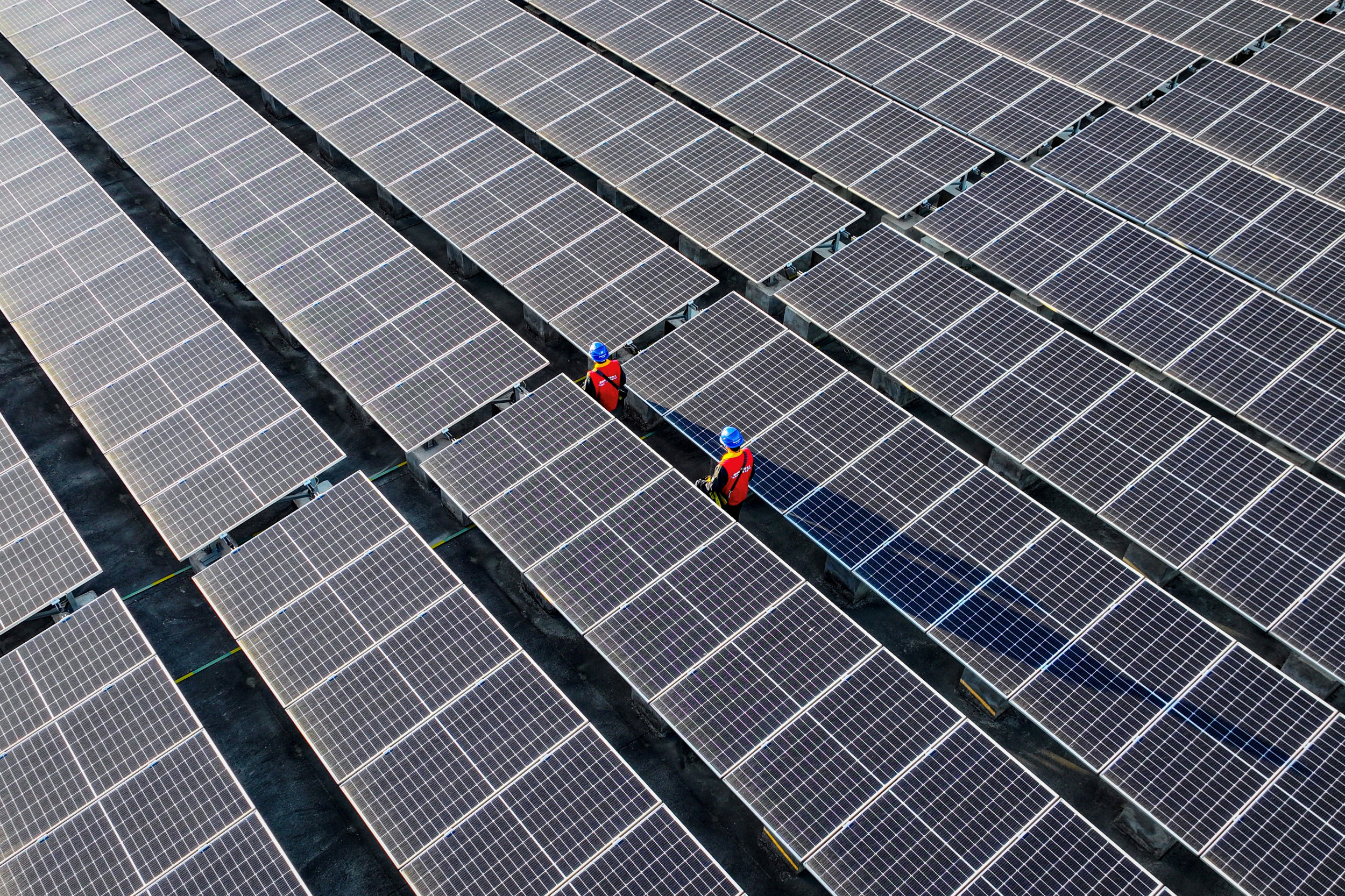
Data centers are among the most significant consumers of electricity in the technology sector. As China continues to prioritize the growth of its “East Data, West Computing” project—a national initiative to shift computing power from coastal hubs to the resource-rich western regions—the reliance on localized, sustainable energy has become a prerequisite for new infrastructure approvals. The National Development and Reform Commission has mandated that new data centers must meet specific energy efficiency standards, effectively forcing operators to source a higher percentage of their power from renewable origins.
Addressing Energy Demand and Grid Stability
The pressure on China’s public grid has intensified as the country scales its AI capabilities. Data centers operate at a near-constant load, which can strain traditional utility networks that are simultaneously managing the intermittent nature of wind and solar power. By creating “behind-the-meter” connections, operators can utilize energy at the source, reducing the burden on the national grid and avoiding the costs associated with grid congestion and long-distance transmission.
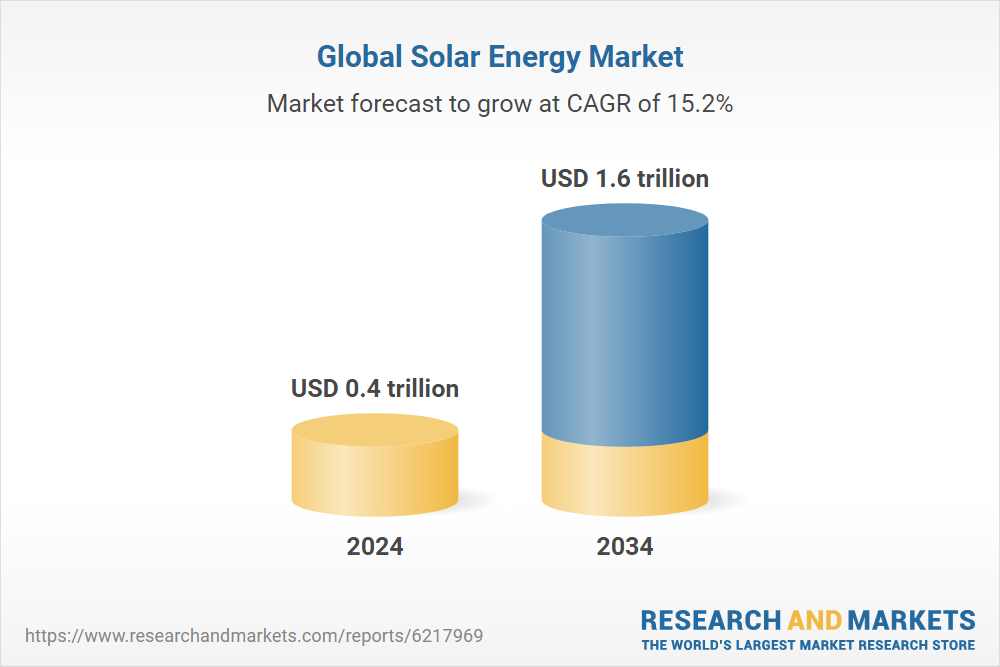
According to data from the S&P Global Market Intelligence, the Chinese data center market is currently undergoing a structural transformation. While older facilities in urban centers remain reliant on the municipal grid, the next generation of hyperscale facilities is being built in proximity to renewable energy farms. This geographic shift is not merely an environmental choice but an operational necessity to secure the massive, uninterrupted power supply required for large-scale GPU training clusters.
Economic and Environmental Implications
The economic logic behind this trend involves a trade-off between infrastructure investment and long-term operational expenditure. While building dedicated power lines and private substations requires significant upfront capital, it protects companies from fluctuations in electricity prices and potential grid-imposed rationing during peak demand periods. The Bloomberg New Energy Finance analysis suggests that as AI development accelerates, the cost of energy will become a primary competitive differentiator for Chinese cloud providers.
Furthermore, the environmental impact is significant. China’s commitment to peaking carbon emissions by 2030 and reaching carbon neutrality by 2060 requires a fundamental decoupling of economic growth from carbon-intensive energy consumption. The integration of renewable energy directly into data centers is a test case for whether the digital sector can scale sustainably. Regulatory bodies are monitoring these pilot projects closely, with the potential for these “direct-connect” standards to be codified into national building codes for future tech industrial parks.
Future Regulatory and Operational Milestones
The next phase of this industrial transition will likely see more stringent reporting requirements for data center operators regarding their energy source mix. The Ministry of Industry and Information Technology has signaled that future capacity expansions will be linked to the ability of the facility to demonstrate high energy-usage effectiveness (PUE) ratios and a verifiable commitment to renewable energy integration.
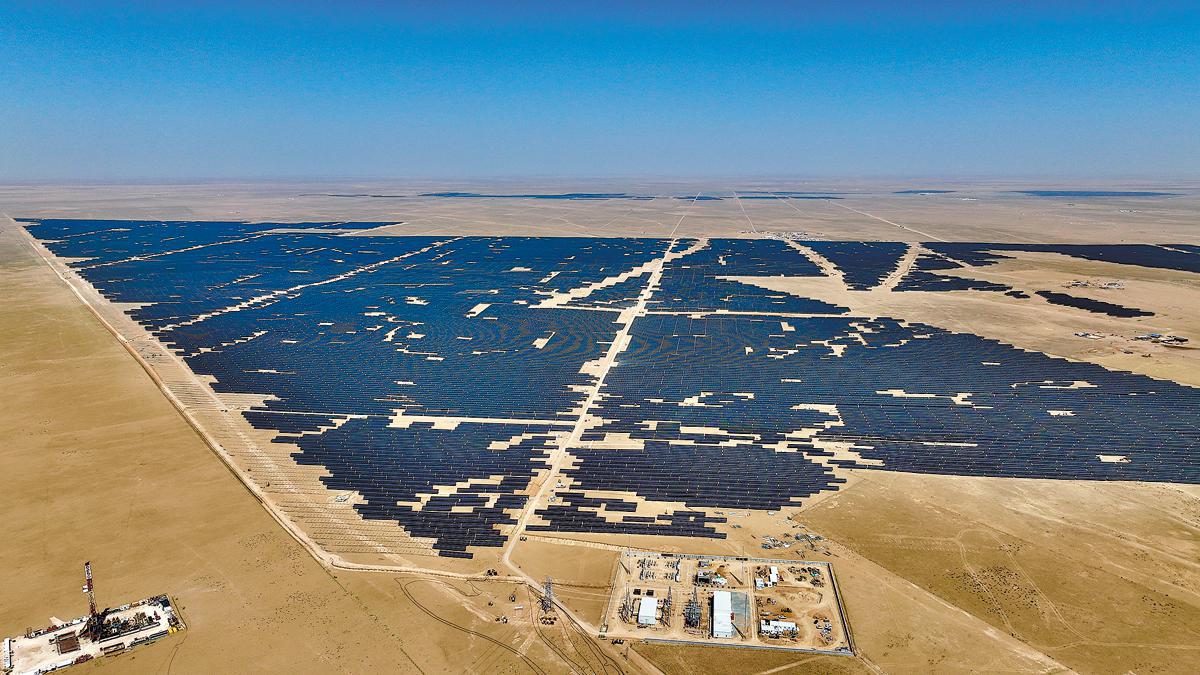
Industry stakeholders are awaiting further guidance on the integration of battery energy storage systems (BESS) at these sites, which would allow for 24/7 operations even when renewable generation fluctuates. As these projects move from pilot phases to standard practice, they will likely influence similar infrastructure developments in other markets facing high energy costs and decarbonization mandates. Readers interested in tracking these developments should monitor upcoming notices from the provincial energy bureaus in Ningxia and Inner Mongolia, where the majority of these new, grid-independent projects are currently being clustered.
This evolving landscape of energy-independent computing remains a critical area of focus for global technology observers. We encourage readers to share their insights or questions regarding the impact of these infrastructure trends on the global supply chain in the comments below.
Worth a look
- Update Windows Now: Microsoft Fixes 421 Vulnerabilities, Including Active Zero-Day Exploit
- Elon Musk Predicts SpaceX AI Revenue to Surpass Starlink and Space Business Next Month
- Perseids Meteor Shower & Solar Eclipse: A Rare Celestial Double Feature (archyworldys.com)
- Water Management in China (world-today-news.com)