
International diplomatic frameworks are increasingly serving as the primary blueprint for establishing trust in the digital economy, as global entities struggle to reconcile sovereign data regulations with the borderless nature of electronic commerce. According to the Organization for Economic Cooperation and Development (OECD), the harmonization of digital identity standards is now a prerequisite for cross-border trade, mirroring historical diplomatic efforts to standardize maritime law and telecommunications protocols.
The transition toward a unified digital trust architecture requires balancing national security concerns with the operational needs of global enterprises. As governments move to implement stricter General Data Protection Regulation (GDPR) mandates, businesses are finding that the “diplomatic” approach—negotiating interoperable standards rather than isolated, proprietary silos—is the only viable path to long-term scalability. This shift highlights a departure from localized digital authentication toward a globalized, verifiable consensus model.
The Evolution of Digital Sovereignty
Digital trust is no longer merely a technical challenge of encryption; it has become a cornerstone of geopolitical influence. Nations that successfully export their digital identity standards exert significant leverage over how international commerce is conducted within their spheres of influence. The World Bank’s ID4D initiative notes that countries adopting robust digital identification systems see a marked increase in economic participation, as formal identity is the gateway to financial services and legal protections.
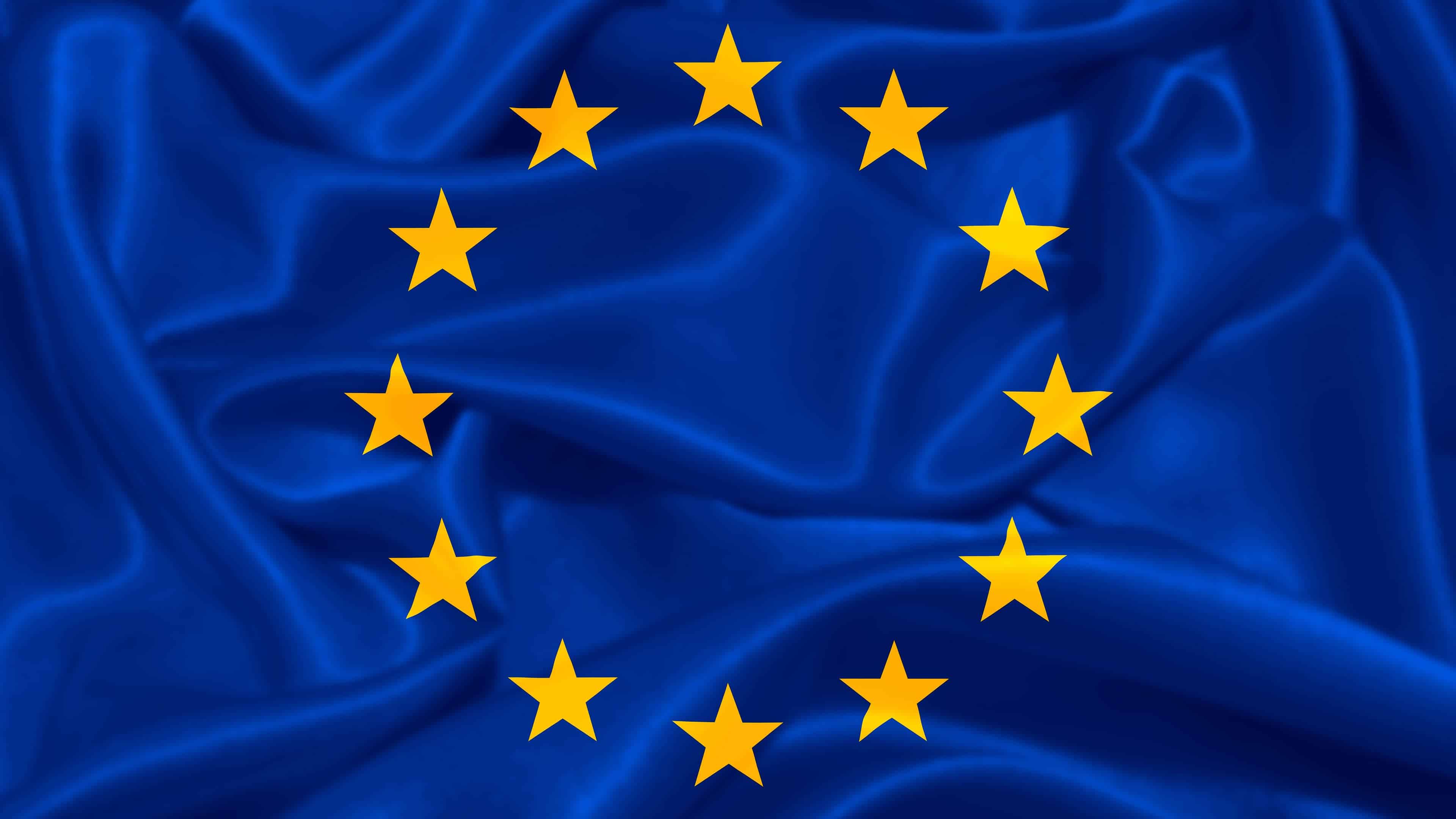
However, the divergence between regional standards—such as the European Union’s eIDAS regulation and the more fragmented approaches seen in other markets—creates friction. Diplomatic discussions often center on “mutual recognition agreements,” where states agree to accept the digital credentials issued by their counterparts. This process is complex because it requires high-level political alignment on what constitutes a “verified” identity, effectively turning IT security into a matter of statecraft.
Infrastructure as a Diplomatic Tool
The reliance on digital signatures and blockchain-based verification has moved the conversation from abstract policy to concrete infrastructure. When international bodies discuss the future of the digital economy, the focus is increasingly on the “interoperability” of these systems. If a digital contract signed in London cannot be authenticated in Singapore, the diplomatic effort to facilitate global trade fails.
-objectives-member-countries-observer-nations-and-more.jpg "Infrastructure as a Diplomatic Tool")
According to the World Trade Organization (WTO), the growth of the digital services trade has outpaced traditional goods, necessitating a new generation of trade agreements that emphasize digital flow and electronic authentication. These agreements are the modern equivalent of 20th-century tariff treaties. They define the rules of engagement for companies, ensuring that they can move data and confirm identities without triggering local regulatory penalties or being locked out of essential markets.
Impact on Global Business Operations
For multinational corporations, the inability to navigate these shifting diplomatic sands poses a direct financial risk. Companies that fail to adopt flexible, internationally recognized authentication methods face higher compliance costs and potential exclusion from public procurement processes in various jurisdictions. The strategy for businesses today is to align their internal digital workflows with the emerging global consensus on identity verification rather than betting on proprietary, localized solutions.
Professional organizations, including the International Chamber of Commerce (ICC), are actively lobbying for the adoption of universal digital standards to reduce the administrative burden of cross-border transactions. The objective is to create a frictionless environment where a digital signature carries the same legal weight as a physical one, regardless of where the signer is physically located or which legal jurisdiction governs the contract.
Future Regulatory Checkpoints
The path forward remains tied to upcoming policy developments, particularly within the G20’s digital economy working groups. These forums serve as the primary venue for reconciling conflicting national data laws. Observers should monitor the next G20 Digital Economy Ministerial Meeting, where member states are expected to provide updates on their progress toward the “Global Digital Compact,” a framework aimed at fostering a more open, free, and secure digital environment.

As these international standards solidify, businesses should prepare for more rigorous audits of their digital identity protocols. The era of localized, non-standardized digital business is closing, replaced by a regime where diplomatic alignment dictates the technical requirements for global market access. We invite our readers to share their experiences with cross-border digital authentication in the comments section below.
Keep reading