
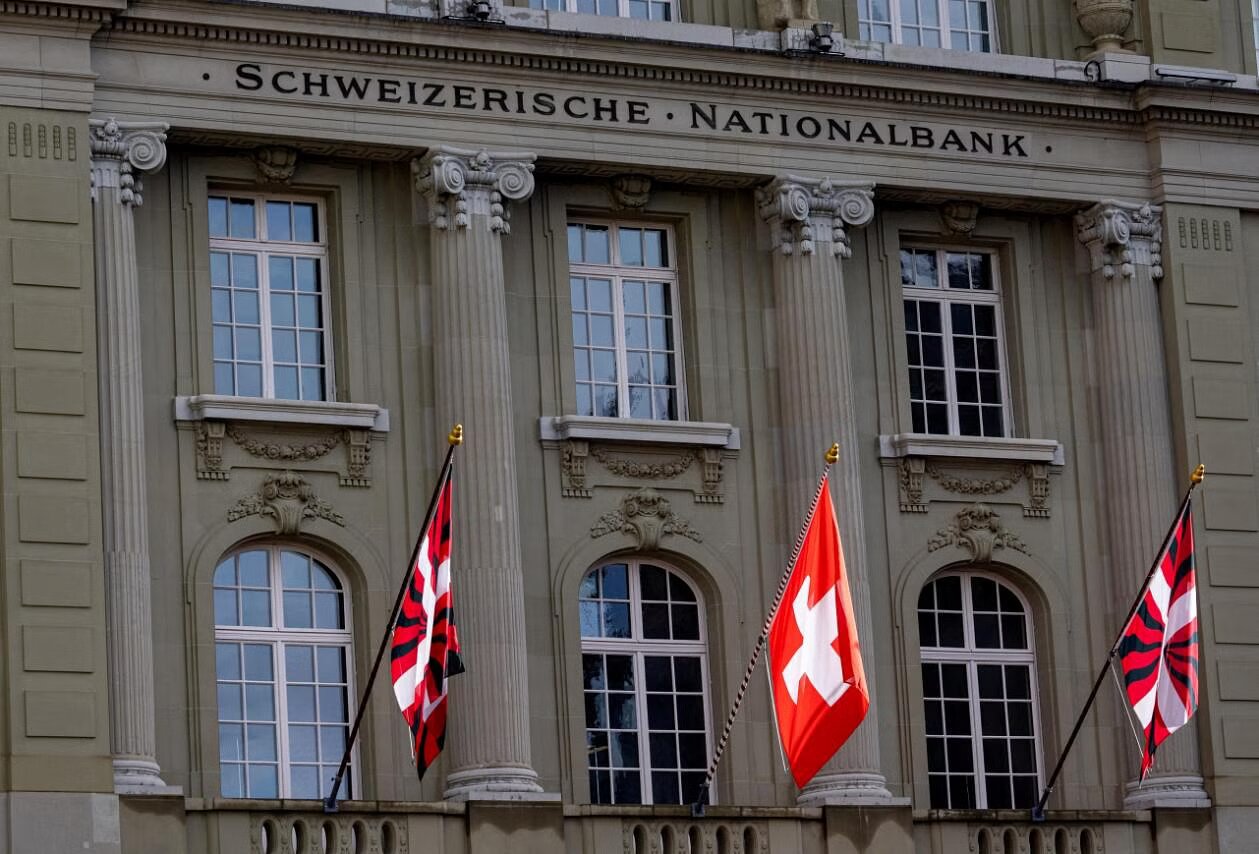
Falling oil prices are contributing to a downward trend in effective mortgage rates across the Swiss real estate market, providing potential relief for homeowners and prospective buyers. As global energy costs stabilize, the resulting cooling of inflationary pressures has allowed the Swiss bond market to reflect lower yields, which directly influences the pricing of long-term fixed-rate mortgages in Switzerland, according to data from the Swiss National Bank (SNB).
For those currently monitoring the Swiss property sector, the connection between energy markets and borrowing costs is increasingly clear. When oil prices decline, broader inflation expectations often follow, prompting investors to adjust their outlook on long-term interest rates. Because Swiss mortgage providers often price their products based on the yields of Confederation bonds, this macroeconomic shift creates a direct mechanism for rate adjustments in the residential lending sector.
How Energy Markets Influence Swiss Mortgage Rates
The relationship between the cost of crude oil and the Swiss mortgage market is largely indirect but highly significant. Switzerland, as a major financial hub, is deeply sensitive to global inflationary trends. When oil prices drop, the headline inflation rate—which includes energy and fuel costs—tends to moderate. This stabilization allows the SNB to maintain a more predictable monetary policy, which in turn anchors the yield curve for government bonds, as noted in the SNB’s latest statistical reports.

Mortgage lenders in Switzerland typically set interest rates by adding a margin to the cost of refinancing, which is heavily dictated by the mid- to long-term swap rates. If global oil prices remain depressed, the perceived risk of a sudden inflationary spike decreases. Consequently, bond yields—and by extension, the cost of fixed-rate mortgages—often soften. This dynamic explains why market participants observe fluctuations in mortgage costs even when the official SNB policy rate remains unchanged.
Market Dynamics and Borrower Expectations
In recent weeks, prospective borrowers have observed a more favorable environment for securing financing. Market analysts suggest that the current volatility in oil markets has led to a cautious, yet optimistic, outlook for mortgage seekers. Unlike the sharp rate hikes seen in previous fiscal periods, the current environment is characterized by a stabilization of interest costs, which provides a clearer horizon for households planning long-term financial commitments.
However, industry experts caution that mortgage rates are not solely dependent on energy prices. The Swiss Financial Market Supervisory Authority (FINMA) continues to emphasize that domestic factors, such as the demand for residential property and the overall stability of the Swiss banking sector, remain critical components in how lenders determine their risk premiums. Borrowers are encouraged to look beyond headline energy news and consider their individual credit profiles and the specific offerings of various cantonal and national banks.
What This Means for Homeowners
For existing homeowners with expiring fixed-rate mortgages, the current downward trend in rates offers an opportunity to refinance under potentially better conditions than those seen in the preceding year. Financial advisors generally recommend that individuals review their mortgage contracts early, as the transition from a higher-rate environment to a more stable one can yield significant long-term savings.
It is important to note that “effective” mortgage rates—the actual interest paid by the borrower—can vary significantly depending on the lender’s internal assessment of risk and the borrower’s loan-to-value ratio. According to the Federal Statistical Office (FSO), real estate prices in Switzerland have shown resilience despite fluctuating interest rates, highlighting the importance of professional financial planning when navigating the property market.
Future Outlook and Monitoring Updates
The next major indicator for the Swiss mortgage landscape will be the upcoming monetary policy assessment by the Swiss National Bank. Market participants are closely watching for any signals regarding potential adjustments to the policy rate, which serves as the anchor for the entire financial system. While energy prices provide a useful barometer for inflation, the central bank’s decision-making process remains the primary driver of systemic interest rate changes.
Prospective buyers and homeowners are advised to consult the official publications of the SNB and their respective banking institutions for the most accurate and up-to-date mortgage product information. As the economic situation evolves, staying informed through verified financial reporting remains the most effective strategy for managing property-related debt. We invite our readers to share their experiences with current mortgage negotiations in the comments section below.
Related reading