The United States Supreme Court has declined to hear an appeal from Bayer AG, effectively leaving in place a lower court ruling that rejected the company’s argument that federal law preempts state-level failure-to-warn claims regarding its Roundup weedkiller. This decision, issued on June 21, 2022, serves as a significant turning point in the long-running litigation involving thousands of plaintiffs who allege that the glyphosate-based herbicide caused their non-Hodgkin lymphoma, according to records from the Supreme Court of the United States.
For Bayer, the refusal to review the case involving plaintiff Edwin Hardeman represents a continuation of legal uncertainty. The company had sought to establish that the Environmental Protection Agency’s (EPA) approval of Roundup labels, which do not include cancer warnings, should shield the manufacturer from state lawsuits claiming that such warnings were required under California law. With the Supreme Court declining to intervene, the company must continue to navigate a complex landscape of state-level litigation that has already resulted in significant financial settlements and jury verdicts, as noted in reports by Reuters.
The Legal Conflict Over Federal Preemption
The core of the dispute centers on the Federal Insecticide, Fungicide, and Rodenticide Act (FIFRA), the primary statute governing the sale and labeling of pesticides in the U.S. Bayer argued that because the EPA determined that glyphosate—the active ingredient in Roundup—is not likely to be carcinogenic to humans, state-level requirements for cancer warnings were inconsistent with federal standards. Under this interpretation, the company maintained that federal law should preempt, or override, conflicting state-level tort claims, according to the Environmental Protection Agency.
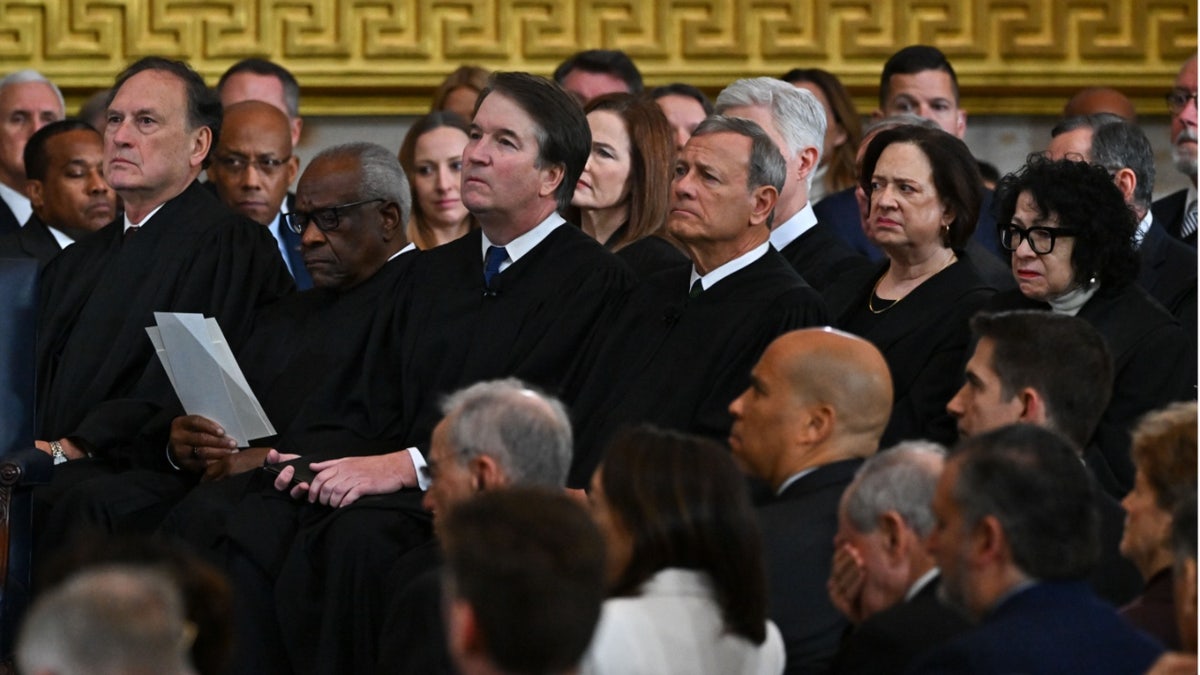
However, plaintiffs successfully argued in lower courts that the Federal Insecticide, Fungicide, and Rodenticide Act sets only a “minimum” standard for safety, rather than a ceiling that prevents states from imposing stricter labeling requirements. The U.S. Court of Appeals for the 9th Circuit previously ruled in favor of the plaintiffs, concluding that state-law failure-to-warn claims are not preempted by federal law. By denying the petition for a writ of certiorari, the Supreme Court has allowed this interpretation to stand, leaving the door open for future litigation in state courts across the country, as documented in the SCOTUSblog case summary.
Financial Implications for Bayer
The litigation has placed substantial financial pressure on Bayer since its 2018 acquisition of Monsanto, the original manufacturer of Roundup. In 2020, the company announced a comprehensive settlement agreement valued at approximately $10.9 billion to resolve the vast majority of then-pending claims. Despite this massive expenditure, thousands of cases remained outside the scope of the settlement, and new filings have continued to emerge, according to official statements released by Bayer AG.
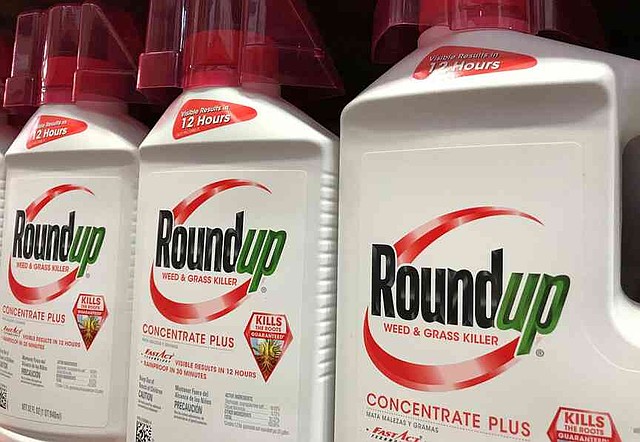
The company’s legal strategy has shifted toward mitigating future risk by transitioning away from glyphosate-based residential products. In 2021, Bayer announced plans to replace glyphosate in its U.S. residential lawn and garden market with alternative active ingredients by 2023. This move was explicitly framed as a risk-management decision to reduce litigation exposure rather than an admission of safety concerns, as detailed in company filings tracked by the Financial Times.
What Happens Next in the Courts
With the Supreme Court’s refusal to intervene in the Hardeman case, the legal focus shifts back to ongoing trials in various state courts. Plaintiffs’ attorneys continue to pursue damages, arguing that internal company documents show Monsanto was aware of potential health risks long before they were disclosed to the public. Bayer maintains that the product is safe when used according to label instructions and points to regulatory findings from agencies globally, including the European Food Safety Authority, which have generally supported the safety profile of glyphosate, according to the European Food Safety Authority.

The next major developments will likely occur in state-level appellate courts, where Bayer continues to challenge individual jury verdicts that have awarded plaintiffs millions of dollars in damages. Because there is no nationwide class-action settlement that covers every potential future claimant, the company faces a long-term, case-by-case litigation process. For updates on court schedules and ongoing legal filings, interested parties are encouraged to monitor the official dockets of the relevant state superior courts or the company’s investor relations portal.
Readers interested in the evolution of this litigation may wish to follow future developments in the California Superior Court dockets, where a significant portion of these cases remain active. Please feel free to share your thoughts or questions in the comments section below.
Related reading
- Anne Hathaway Addresses Fan Fears Over Dog’s Fate in ‘The End of Oak Street
- Ziraat Bank Emekli Promotion 2026: Updated Payment Tables and Advance Rates Revealed
- The Antideficiency Act, Explained: The Law Behind Every Shutdown (daybreakwire.com)
- Trump Claims Total US Control of Strait of Hormuz as Iran Rejects Assertions (archyworldys.com)