
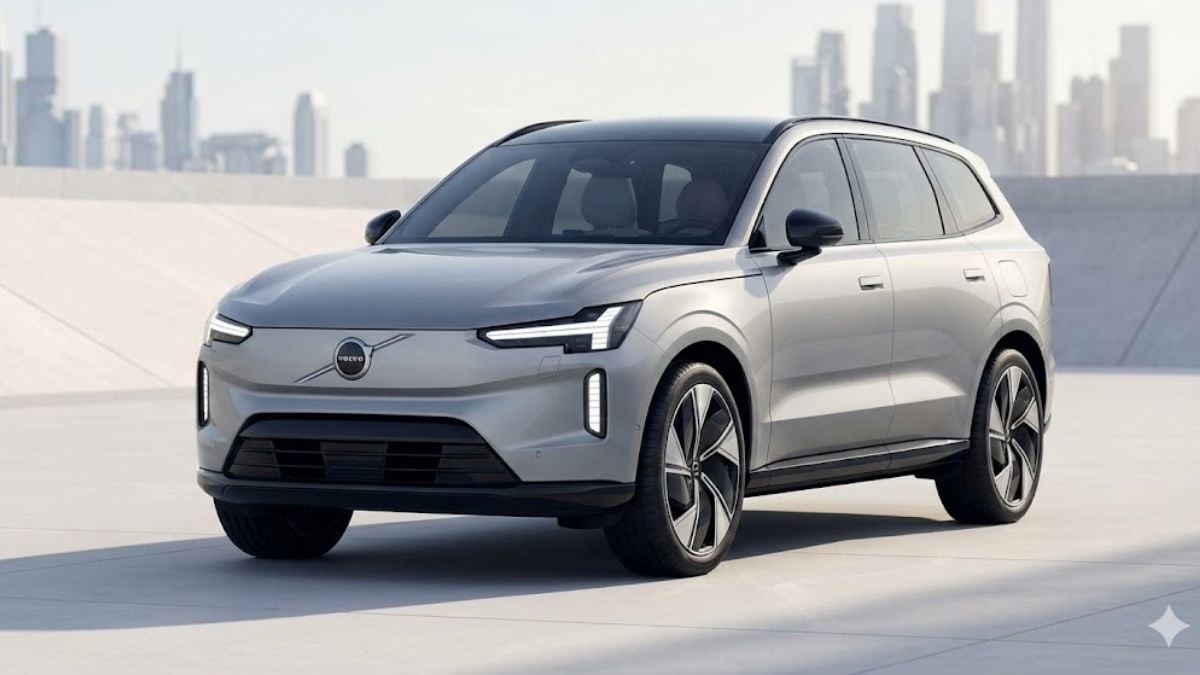
Volvo has confirmed the upcoming arrival of the Volvo EX60, a mid-sized electric SUV designed to expand the automaker’s battery-electric vehicle (BEV) lineup. The vehicle, which is expected to serve as the electric successor to the popular XC60, is part of Volvo’s broader strategy to transition its global fleet to fully electric power by 2030, according to recent updates from the Volvo Cars official corporate portal.
The EX60 will be built on the next-generation SPA3 platform, an evolution of the Scalable Product Architecture that underpins current models. According to the company’s latest technology briefing, this modular platform is engineered to improve manufacturing efficiency and reduce production costs by utilizing a centralized computing architecture. While specific pricing and delivery dates for the Norwegian market remain pending, industry analysts expect the model to compete directly in the premium mid-sized SUV segment, a category where Volvo has historically maintained a strong market share in Northern Europe.
Strategic Importance of the SPA3 Platform
The transition to the SPA3 architecture marks a significant shift in how Volvo develops its vehicles. Unlike previous platforms, SPA3 is designed specifically for high-volume, software-defined electric vehicles. By integrating core computing power directly into the vehicle’s chassis, Volvo aims to provide over-the-air updates that improve performance and battery management throughout the car’s lifecycle, as detailed in the official manufacturer announcement.

For the Norwegian market, which currently leads the world in electric vehicle adoption, the EX60 is a critical addition. The country reached a milestone in 2024 where battery-electric cars accounted for over 90% of new passenger vehicle registrations, according to data from the Norwegian Road Federation (OFV). The introduction of a dedicated electric SUV in the mid-size segment addresses the primary demand profile of Norwegian consumers, who prioritize range, towing capacity, and all-wheel-drive capability.
Design and Market Positioning
The EX60 is expected to carry forward the minimalist Scandinavian design language established by its predecessors, the EX90 and EX30. Volvo has indicated that the EX60 will emphasize interior space and safety technology, utilizing the “core computing” system to process sensor data for advanced driver-assistance systems (ADAS) in real-time. This focus on safety remains a cornerstone of the brand’s identity, with the company aiming for zero serious injuries in its new vehicles, as outlined in their sustainability and safety policy documentation.
In terms of sizing, the EX60 fills the gap between the compact EX30 and the full-size EX90. By focusing on this “sweet spot” of the SUV market, Volvo is positioning the vehicle to appeal to families and professionals who require more utility than a compact crossover provides but do not need the three-row configuration of the larger EX90. The vehicle will be manufactured with a focus on sustainable materials, further aligning with the company’s goal to become a climate-neutral company by 2040.
Looking Ahead: Production and Availability
Production timelines for the EX60 are tied to the broader rollout of the SPA3 platform. While the company has not yet released a specific launch date for the Norwegian showroom arrival, the vehicle is part of a multi-year electrification roadmap. Investors and consumers are monitoring the company’s quarterly earnings reports for updates on production capacity at Volvo’s global manufacturing hubs, including facilities in Torslanda, Sweden, and Daqing, China.
For prospective buyers in Norway, the next official checkpoint will be the release of local pricing and configuration options, which typically follow the global unveiling of the production-ready model. Interested parties can monitor the Volvo Cars Norway website for official announcements regarding pre-order windows and regional specifications. As the automotive industry shifts toward a software-first approach, the EX60 represents a test of whether Volvo can maintain its premium status while scaling its electric technology across its most popular product lines.
What are your thoughts on Volvo’s transition to the SPA3 platform? Share your insights in the comments section below or join the discussion on our social media channels.
Keep reading