
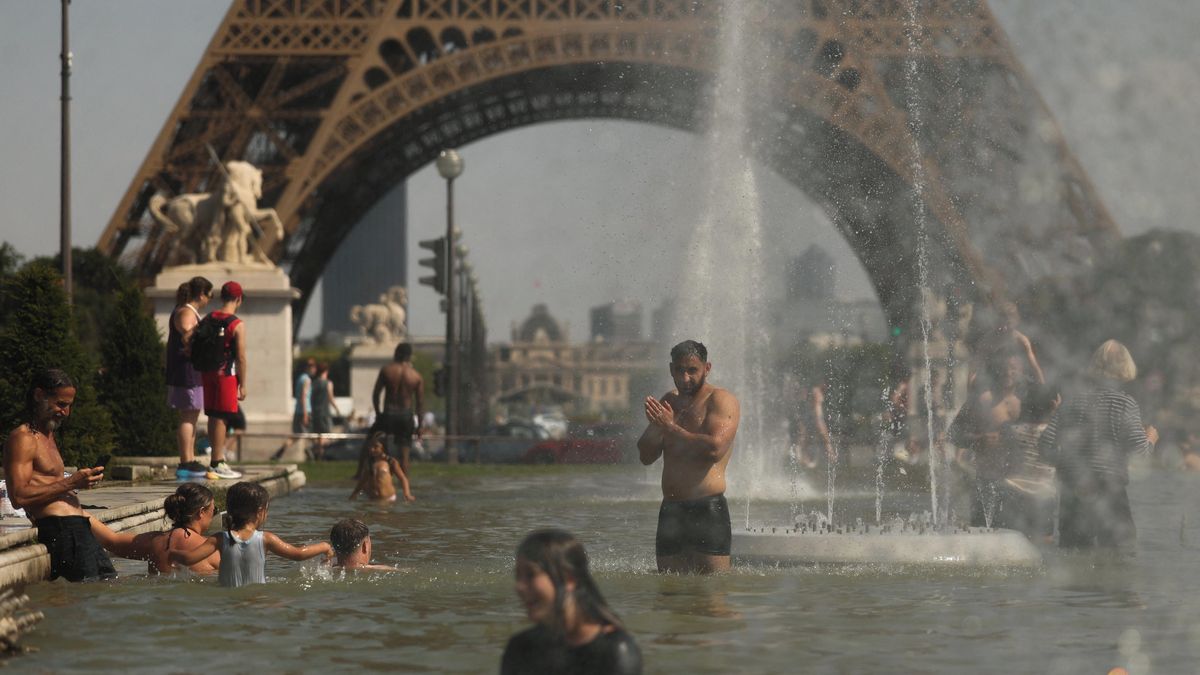
European health authorities are reporting increased pressure on emergency services as a persistent heatwave moves across the continent, prompting local governments to implement emergency cooling measures and public safety restrictions. In Paris, officials have seen a rise in heat-related medical consultations, while in other regions, authorities have issued urgent warnings regarding the risks of prolonged exposure to extreme temperatures, particularly for vulnerable populations and young children.
The current meteorological conditions, characterized by sustained high temperatures, have strained medical infrastructure in several major cities. According to data from the French national public health agency, Santé publique France, extreme heat events frequently lead to an uptick in hospital admissions for dehydration, heat exhaustion, and exacerbation of chronic cardiovascular conditions. To mitigate public health risks, the Paris prefecture has implemented temporary measures, including restrictions on certain outdoor activities and the management of public space access to ensure cooling centers remain available.
Public Health Measures and Emergency Responses
The surge in hospitalizations during heatwaves is a recurring challenge for the French healthcare system, which operates under strict protocols to manage environmental health crises. The French government utilizes the “Plan Canicule,” a multi-tiered alert system that triggers specific resources depending on the severity of the heat, as detailed by the official French government portal for public risks. During these periods, municipal authorities often extend opening hours for public parks, distribute water, and deploy specialized outreach teams to check on elderly residents living alone.

In response to the current strain on resources, local officials in various French departments have been granted the authority to limit the sale of alcohol in specific public areas. This measure is intended to curb public disorder and prevent dehydration, as alcohol consumption significantly impairs the body’s ability to regulate temperature. These restrictions are typically enforced through local administrative orders (arrétés préfectoraux), which are published by regional prefectures to ensure compliance with public safety standards.
Safety Risks for Children and Vulnerable Groups
The intensity of the current heatwave has brought renewed focus to the dangers of children being left in enclosed spaces, such as vehicles, where temperatures can rise to lethal levels within minutes. Safety experts emphasize that even with windows slightly cracked, the greenhouse effect inside a parked car can cause internal temperatures to exceed 50 degrees Celsius (122 degrees Fahrenheit) in a very short timeframe. According to the National Highway Traffic Safety Administration, which monitors international standards for vehicle safety, the physical immaturity of young children makes them particularly susceptible to rapid hyperthermia.
Recent reports from across Europe have highlighted tragic incidents involving children and the elderly, serving as a somber reminder of the lethality of extreme heat. Public health campaigns, such as those coordinated by the World Health Organization (WHO), consistently advise that during peak heat hours—generally between 11:00 AM and 4:00 PM—individuals should remain indoors, maintain hydration, and avoid strenuous physical activity. These precautions are essential for preventing heat-related fatalities, which claim thousands of lives annually across the European continent.
Managing the Impact of Extreme Temperatures
As climate patterns shift, European cities are increasingly integrating “heat-proofing” into their urban planning. This includes the expansion of green spaces, the use of reflective materials on infrastructure, and the establishment of “cool islands” where citizens can find relief. The European Environment Agency notes that urban heat islands—where concrete and asphalt trap heat—can result in temperatures several degrees higher in city centers compared to surrounding rural areas, necessitating targeted interventions to protect public health.
For residents in affected areas, staying informed through official channels remains the most effective way to navigate the heatwave. Citizens are encouraged to monitor local weather alerts and follow guidance from their regional health authorities regarding:
- Hydration requirements for different age groups.
- The identification of early symptoms of heat stroke, such as dizziness, confusion, or rapid pulse.
- The location of designated “cool rooms” or public air-conditioned facilities.

The situation remains fluid, with local prefectures continuing to evaluate the necessity of extended restrictions based on daily meteorological updates. Residents are advised to check the Météo-France website for real-time heat alerts and safety recommendations specific to their department. As the region navigates this period of extreme weather, public cooperation with health directives continues to be a critical factor in minimizing the impact on emergency medical services.
We will continue to provide updates as new information becomes available from regional health authorities and municipal offices. If you have experienced challenges accessing local cooling resources or have information regarding community-led heat support programs, we encourage you to share your experiences in the comments section below.