
The Australian residential property market has experienced a significant shift in valuation, with recent data indicating a substantial contraction in total housing wealth. According to reports from the CoreLogic Home Value Index, the combined value of Australia’s residential real estate market faced downward pressure throughout periods of monetary tightening, reflecting a broader cooling trend across the national landscape.
While social media discussions have circulated figures suggesting a loss of approximately AU$128 billion in value across the sector, these estimates often conflate localized monthly fluctuations with total long-term asset depreciation. As of the most recent reporting period, the Australian residential property market comprises approximately 11 million dwellings, with a total estimated value exceeding AU$10 trillion, according to data from the Australian Bureau of Statistics (ABS).
Market Dynamics and Interest Rate Impacts
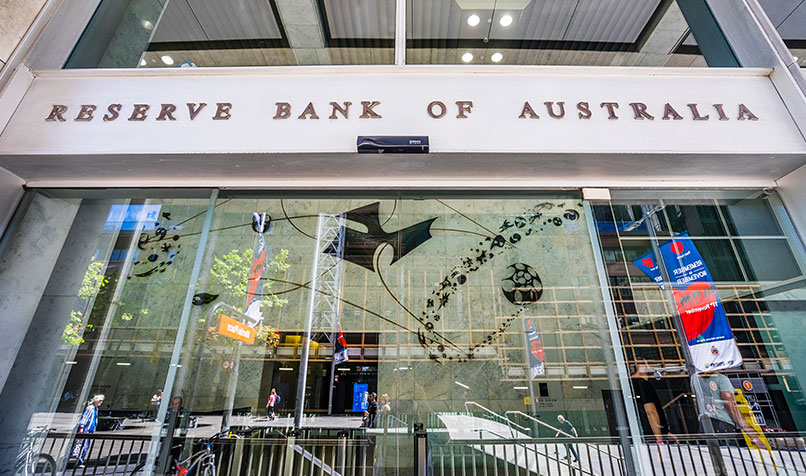
The primary driver behind the recent volatility in Australian home values has been the aggressive monetary policy stance adopted by the Reserve Bank of Australia (RBA). Since May 2022, the RBA has raised the official cash rate multiple times to combat persistent inflation, directly impacting borrowing capacity for prospective buyers. The Reserve Bank of Australia has maintained that these adjustments are necessary to bring inflation back to its target range, though the resulting increase in mortgage repayments has cooled buyer demand in major metropolitan centers.
This cooling effect is not uniform. While some regions experienced sharp price corrections, others have shown resilience due to low supply levels. The CoreLogic research team notes that the interplay between rising interest rates and a lack of new housing stock creates a complex environment where price declines are often tempered by intense competition for available listings.
Understanding Residential Valuation Metrics
Calculating the “loss” of value in a housing market requires a nuanced approach. Simply dividing a large currency figure by the total number of dwellings—a method often seen in speculative online forums—fails to account for the diversity of the Australian housing stock. The Australian Bureau of Statistics emphasizes that dwelling values are influenced by a multitude of variables, including geographic location, zoning regulations, and the specific age and type of the structure.
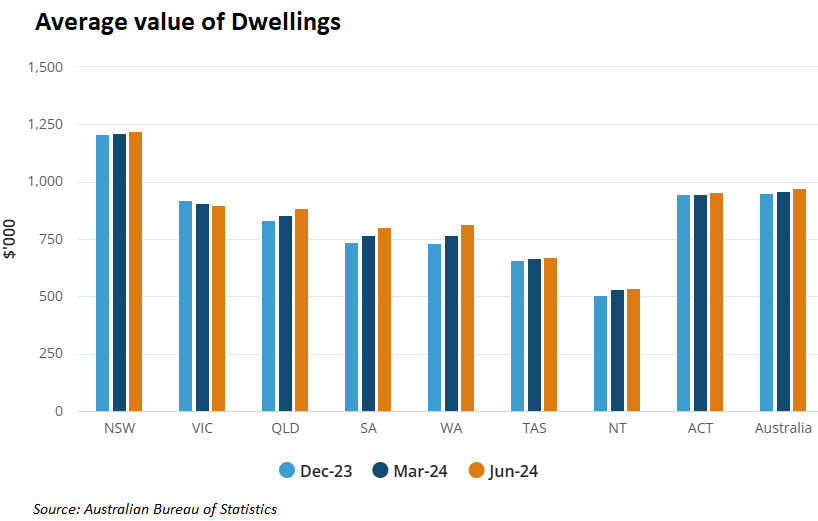
For instance, a detached house in Sydney’s Eastern Suburbs carries a vastly different market weight than a rural property in regional Queensland. When analysts speak of a “drop in market value,” they are typically referring to the year-on-year change in the median price index, rather than a physical loss of equity across every individual household in the nation.
What Lies Ahead for Australian Homeowners
The future of the Australian housing market remains tethered to the trajectory of interest rates and migration-driven demand. Economists generally monitor the RBA’s monthly board meetings for signals regarding future policy pivots. If the central bank signals a pause or a potential reduction in rates, market analysts anticipate a stabilization or potential rebound in property values in high-demand urban corridors.
Homeowners and investors looking for verified data should refer to the ABS Total Value of Dwellings report, which provides the most accurate quarterly assessment of national housing wealth. These reports are published regularly and serve as the definitive source for understanding how economic shifts affect the broader property sector. As the market continues to evolve, keeping track of official regulatory updates remains the most reliable way to assess personal property positioning.
We welcome your insights on the current state of the property market in your local area. Please share your observations in the comments section below or join the conversation on our community forums.
Worth a look