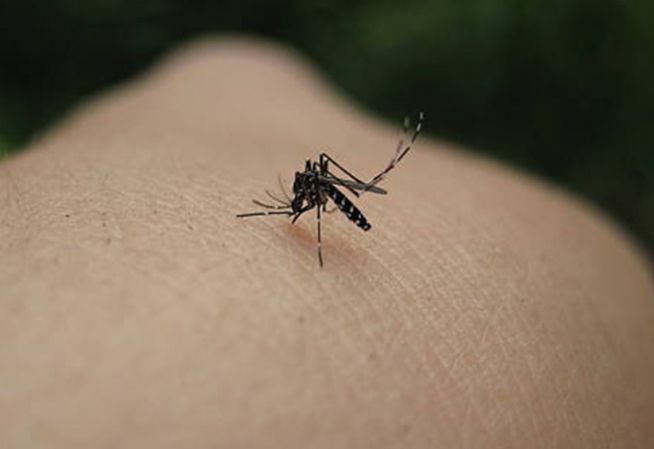
Health authorities in France have intensified surveillance efforts as the Aedes albopictus, commonly known as the tiger mosquito, continues its expansion into new regions, including the Jura department. The Agence Régionale de Santé (ARS) Bourgogne-Franche-Comté maintains active monitoring protocols to track the colonization of this invasive species, which is known as a potential vector for viruses such as dengue, chikungunya, and Zika. While the presence of the mosquito does not automatically imply the presence of disease, public health officials emphasize that limiting stagnant water sources remains the most effective strategy for controlling local populations.
As a physician, I have observed that the primary challenge in managing the tiger mosquito is its preference for urban environments and small, man-made containers. Unlike native mosquito species that breed in larger bodies of water, the tiger mosquito thrives in the domestic settings we create in our own backyards. Effective vector control relies heavily on community participation rather than solely on large-scale government intervention.
Understanding the Tiger Mosquito’s Lifecycle
The tiger mosquito is characterized by its distinct white stripes and its tendency to bite during the day, particularly in the morning and late afternoon. According to the French Agency for Food, Environmental and Occupational Health and Safety (ANSES), the species was first introduced to France in 2004 and has since spread rapidly across the majority of the country’s departments. Its ability to survive in diverse climates and its reliance on artificial breeding sites—such as flowerpot saucers, clogged gutters, and discarded tires—make it a persistent urban nuisance.

Public health experts stress that the mosquito’s lifecycle is short, often lasting only a few weeks from egg to adult. Because a female can lay hundreds of eggs in a single cycle, even small amounts of standing water are sufficient to sustain a population. Eliminating these reservoirs is the cornerstone of the national prevention strategy managed by the French Ministry of Health and Prevention, which coordinates local ARS efforts to educate residents on habitat reduction.
Public Health Strategies and Surveillance
The ARS and local municipalities employ several methods to monitor the spread of the tiger mosquito. Surveillance systems often involve the use of specialized traps installed in public areas to detect the presence of larvae or adult mosquitoes. In regions where the species is already established, health departments shift their focus toward community-based awareness programs. The goal is to encourage residents to empty or cover any object that can hold water for more than a few days.
Innovation in vector control is also a subject of ongoing research. Techniques such as the release of sterile male mosquitoes are being explored in various pilot programs across Europe to reduce reproductive success within wild populations. While these methods show promise, they are currently used alongside traditional measures rather than as a replacement. The French Ministry for Ecological Transition maintains that biological and mechanical control remains the standard for managing invasive insect species across the country.
Practical Steps for Residents
For those living in areas where the tiger mosquito has been identified, the most effective prevention involves consistent maintenance of the home environment. The following steps are recommended by health authorities to disrupt the breeding cycle:
- Empty all containers of stagnant water at least once a week: This includes flowerpot saucers, buckets, and pet bowls.
- Clear gutters and drainage pipes: Debris can trap water, creating ideal conditions for larvae to develop.
- Cover rain barrels and cisterns: Use fine mesh netting to ensure mosquitoes cannot enter the water to lay eggs.
- Maintain swimming pools: Ensure water is treated and covers are used when the pool is not in use.
- Remove discarded items: Old tires, plastic toys, or garden waste should be disposed of or stored in a way that prevents water accumulation.
Residents are encouraged to report sightings of the tiger mosquito through official state portals, such as Signalement Moustique, which allows citizens to contribute to the national mapping of the insect’s expansion. This data is essential for the ARS to refine its public health response and prioritize areas for intervention.
What Happens Next?
The surveillance period typically intensifies during the warmer months, from May through November, when mosquito activity is at its peak. As temperatures rise, the ARS will continue to release updated maps and guidance regarding colonization levels in the Jura and surrounding departments. Readers interested in the most recent developments are encouraged to consult the official ARS Bourgogne-Franche-Comté website for localized bulletins and health advisories.
Public health is a collaborative effort. By staying informed and maintaining our immediate surroundings, we significantly reduce the risk of mosquito-borne transmission in our communities. Please share this information with your neighbors to ensure widespread awareness of these simple, effective prevention strategies. If you have questions about local surveillance or specific concerns regarding pest control, the comment section below is open for discussion.
Related reading