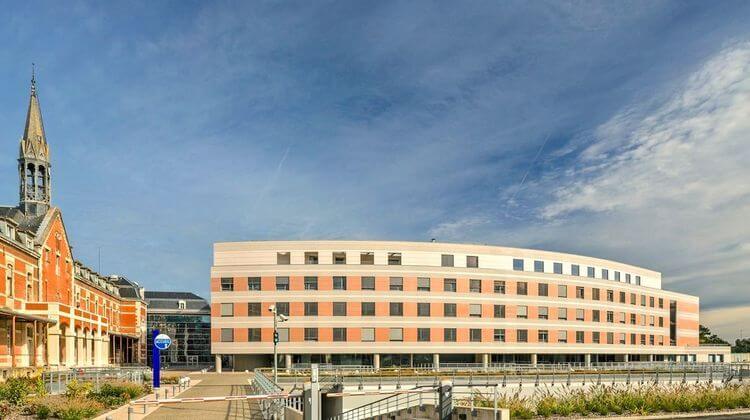
The Centre Hospitalier de la Côte Basque has launched a musical initiative at its Cam de Prats site in Bayonne, France, to integrate live music into the clinical environment. Through a partnership with the Conservatoire à rayonnement régional Maurice Ville, the hospital aims to use musical performances, including piano sessions, to enhance the well-being of patients and the working conditions of medical staff.
This cultural program, centered around the “Don du son” (Gift of Sound) concept, seeks to humanize the hospital setting by introducing artistic elements into a traditionally sterile medical space. The initiative represents a growing trend in European healthcare where cultural engagement is used as a complementary tool to standard medical treatment.
How the CHCB and Conservatoire Maurice Ville Partnership Works
The collaboration between the Centre Hospitalier de la Côte Basque (CHCB) and the Conservatoire Maurice Ville establishes a structured way for local musicians to interact with the healthcare community. Under this arrangement, the conservatory provides the musical expertise and performers, while the hospital provides the venue and the opportunity for community-based cultural expression.
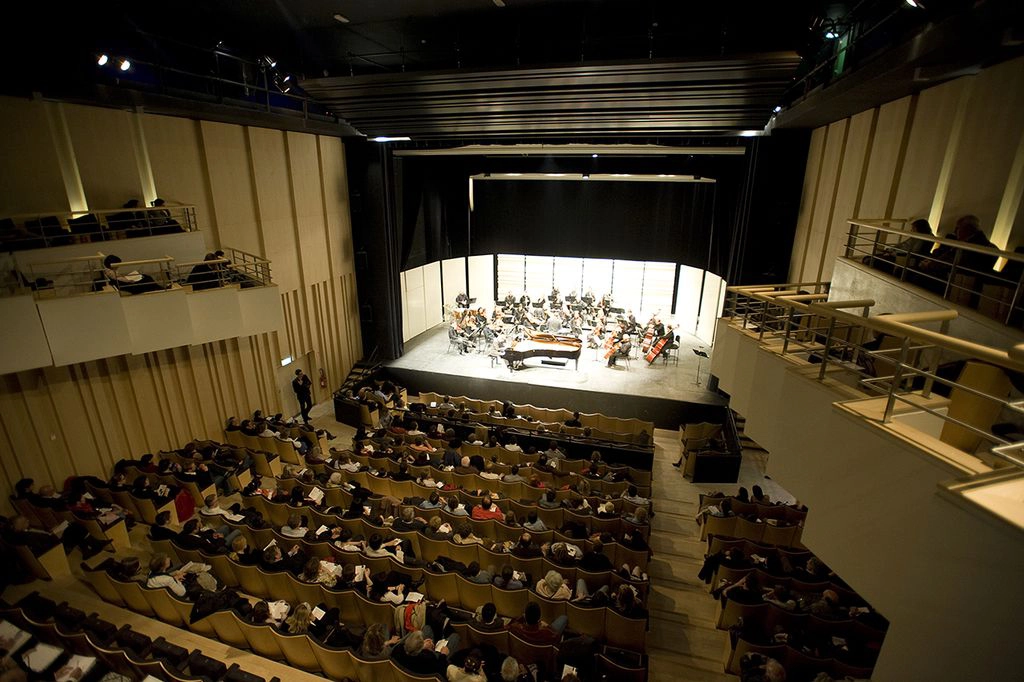
The focus is specifically on the Cam de Prats site, which serves as a key location within the hospital’s broader infrastructure. By utilizing the conservatory’s resources, the hospital ensures that the musical contributions are of a high professional standard, moving beyond simple background music to intentional, curated performances. This partnership allows students and faculty from the conservatory to engage in meaningful social work through their craft, while providing the hospital with a rotating schedule of musical engagement.
Hospital administrators have indicated that this openness to culture is part of a broader strategy to transform the hospital from a purely functional medical facility into a space that addresses the holistic needs of its occupants. This includes the psychological and emotional needs that often accompany physical illness.
The Role of Music and the Piano in the Cam de Prats Site
A central component of the “Don du son” project is the introduction of live instrumentation, most notably the piano, into the hospital’s common areas and patient zones. The presence of a piano serves as a focal point for the initiative, creating “vibrations” of sound that are intended to break the silence and tension often found in intensive medical environments.
The initiative is not merely about entertainment; it is designed to alter the sensory experience of the hospital. The sounds produced by live musicians are intended to provide a rhythmic and melodic counterpoint to the mechanical noises of medical equipment, such as monitors, ventilators, and alarms. By introducing these organic sounds, the hospital seeks to create a more soothing auditory landscape.
The “Don du son” project specifically targets the intersection of art and healing. While the piano provides the primary medium, the project’s broader goal is to use sound as a bridge between the clinical staff, the patients, and the surrounding Bayonne community, fostering a sense of normalcy and connection during periods of health crisis.
The Clinical Significance of Integrating Culture into Healthcare
The integration of music into hospitals is supported by an increasing body of medical research regarding the physiological and psychological impacts of sound. In a clinical setting, the transition from a purely medical model to a bio-psycho-social model recognizes that a patient’s environment directly influences their recovery trajectory.
Medical professionals note several key areas where music can impact patient outcomes:
- Stress Reduction: Auditory stimuli that are melodic and predictable can help lower cortisol levels, the body’s primary stress hormone.
- Pain Management: Music can act as a cognitive distractor, potentially reducing the perception of pain and the necessity for certain sedative interventions.
- Anxiety Mitigation: For patients facing surgery or long-term hospitalization, music can provide a sense of calm and emotional regulation.
- Staff Well-being: High-pressure environments like the CHCB can lead to burnout. Brief musical interludes can offer staff a mental “reset,” potentially improving focus and emotional resilience.
While the Bayonne initiative is categorized as a cultural opening, its effects align with the principles of music therapy, a recognized discipline in many healthcare systems. By bringing the Conservatoire Maurice Ville into the hospital, the CHCB is implementing a large-scale, community-driven version of these therapeutic principles.
Comparing Traditional vs. Culture-Integrated Hospital Environments
The following table outlines the primary differences between standard clinical environments and the culture-integrated model currently being implemented at the Cam de Prats site.
| Feature | Standard Clinical Environment | Culture-Integrated Environment (CHCB Model) |
|---|---|---|
| Auditory Profile | Mechanical (alarms, machines, footsteps) | Organic (live music, melodic rhythm) |
| Patient Focus | Physical/Symptomatic management | Holistic/Psychosocial support |
| Atmosphere | Sterile and high-tension | Humanized and community-oriented |
| Staff Engagement | Task-oriented and high-stress | Integrated with community/cultural elements |
Impact on Stakeholders: Patients, Staff, and the Bayonne Community
The “Don du son” initiative affects three primary groups within the Bayonne healthcare ecosystem. For patients, the presence of music can mitigate the isolation often felt during hospitalization. The ability to hear live music can provide a sense of continuity with the outside world, reminding patients of life beyond their immediate medical circumstances.
For the healthcare professionals at the Centre Hospitalier de la Côte Basque, the program serves as a tool for workplace wellness. The medical field is increasingly recognizing the impact of “environmental stressors” on staff retention and mental health. A more pleasant acoustic environment can help mitigate the cumulative fatigue associated with acute care.
Finally, the local community in Bayonne and the surrounding Basque region benefits from this partnership. It strengthens the tie between local educational institutions, like the Conservatoire Maurice Ville, and essential public services. It also showcases the hospital as a modern, progressive institution that values the social fabric of its region.
The ongoing implementation of the program at the Cam de Prats site will likely involve further scheduled performances and potentially expanded musical programming as the partnership matures. Further updates regarding performance schedules and new cultural additions at the CHCB are expected through official hospital communications.
What are your thoughts on the use of music in clinical settings? Do you believe cultural integration is a vital part of modern healthcare? Let us know in the comments and share this article with your network.
Keep reading