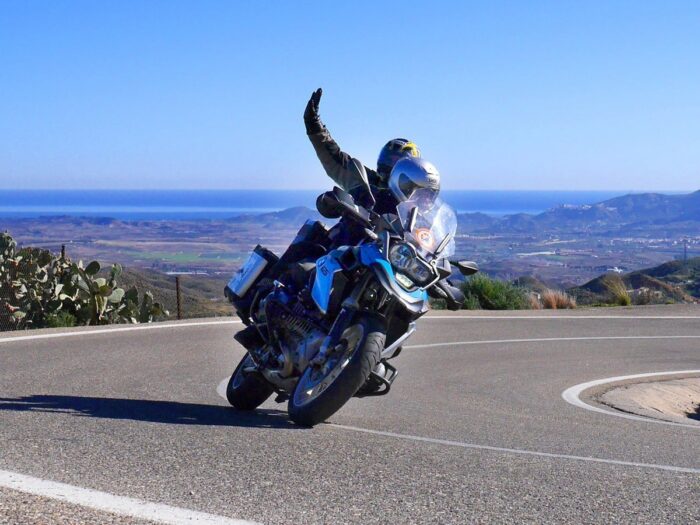
Adventure motorcycle tours in Southern Europe provide a unique intersection of rapid geographic shifts and accessible transit, allowing riders to experience diverse climates and terrains within relatively short distances. Unlike traditional touring, which prioritizes point-to-point transit, adventure touring focuses on the nuances of the landscape between destinations. According to the European Union Aviation Safety Agency and regional tourism boards, the Mediterranean climate and varied topography of countries like Spain, Portugal, and Italy offer a distinct rhythm that defines modern motorcycle expedition travel.
The Geographic Advantage of Southern European Routes
The primary appeal of Southern Europe for motorcyclists lies in the density of its cultural and physical transitions. A rider can depart from the arid, high-altitude plains of central Spain and reach the lush, coastal mountain ranges within a single day’s ride. This compaction of diverse ecosystems allows for a dynamic experience that is less common in larger, more uniform landmasses. As noted by the official Spanish tourism portal, the country’s network of secondary roads, often referred to as “backroads,” provides access to remote villages and protected natural parks that remain largely untouched by heavy commercial transit.
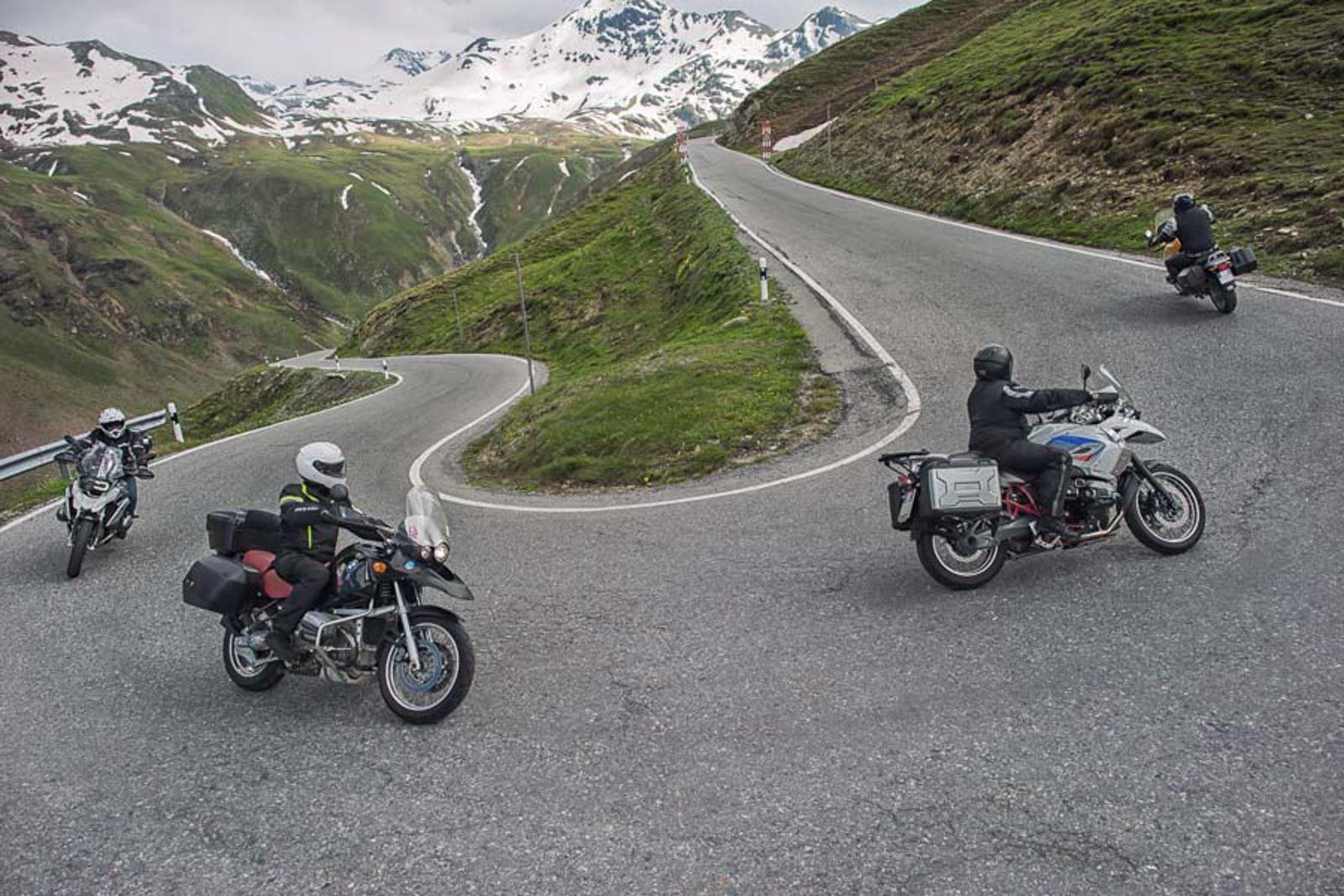
For those planning such excursions, the European Commission’s road safety guidelines emphasize that while the region’s infrastructure is highly developed, the winding nature of coastal and mountain roads requires specific technical preparation. Riders are encouraged to verify seasonal road closures, particularly in the Pyrenees or the Alps, which can remain snow-bound until late spring. Official updates regarding road conditions are typically managed through national transport ministries, such as Spain’s Dirección General de Tráfico (DGT).
Technical Requirements for Adventure Touring
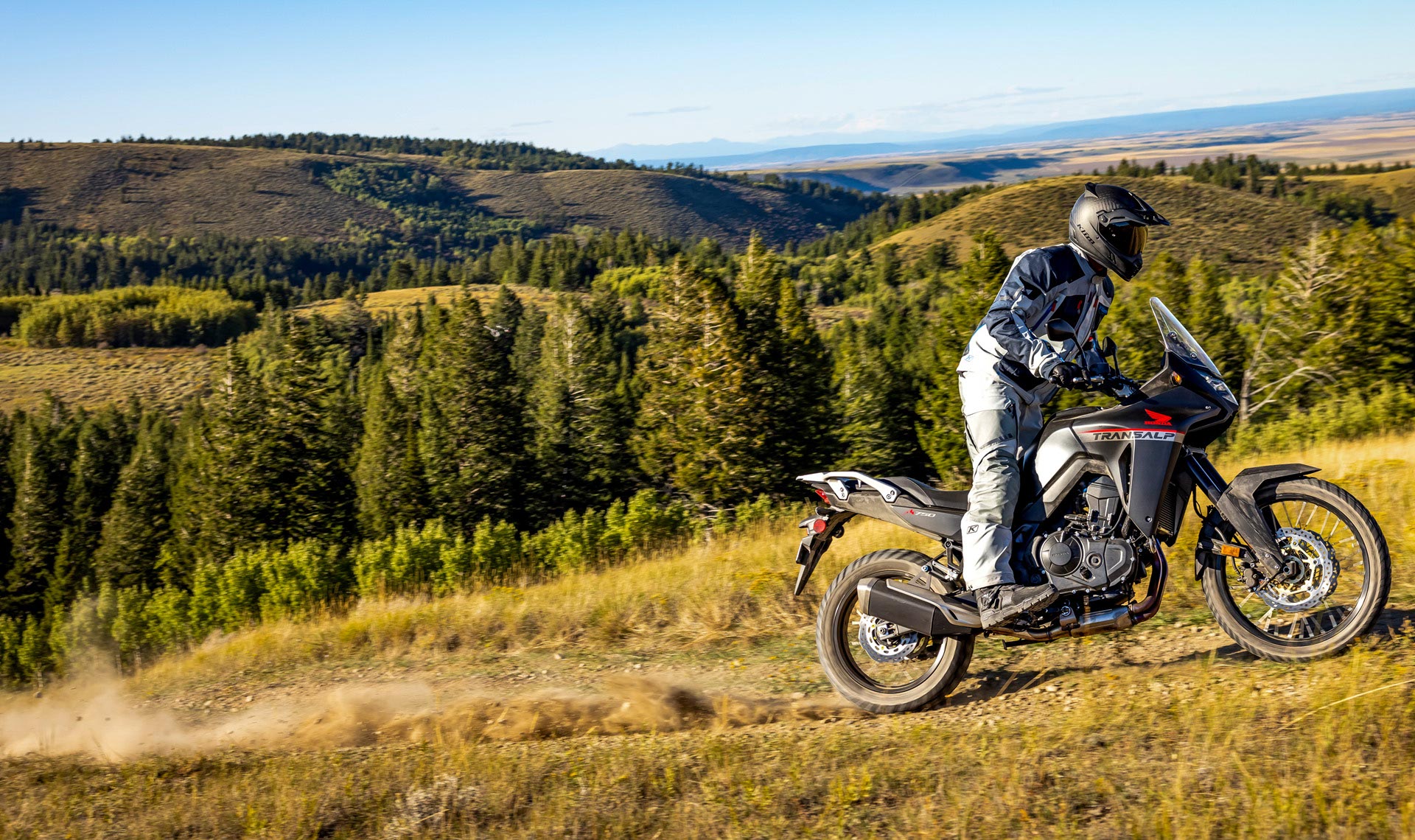
Adventure touring differs from standard road touring primarily through the equipment and the rider’s intent. While a standard tourer might prioritize highway comfort and storage capacity, an adventure rider often utilizes dual-purpose motorcycles capable of handling both paved switchbacks and gravel mountain passes. According to data from the European Association of Motorcycle Manufacturers (ACEM), the market for “adventure-style” motorcycles has seen consistent growth, driven by consumer interest in versatile machines that can handle varied Mediterranean terrain.
Safety remains a critical factor when traversing international borders. The European Union mandates that all motorcyclists carry specific documentation, including a valid motorcycle license, insurance that provides coverage within the EU, and vehicle registration papers. Riders crossing into non-EU territories in the Balkans or parts of North Africa may require additional documentation, such as a Green Card for insurance purposes, as outlined by the Council of Bureaux, which manages the international motor insurance system.
Why the “Space Between” Matters
The philosophy of adventure touring is rooted in the experience of the transit itself. In Southern Europe, this often involves “slow travel,” where the journey is punctuated by local gastronomy and historical landmarks that are not accessible via major motorways. The UNESCO World Heritage Centre lists numerous sites across the Mediterranean that are frequently integrated into these routes, providing riders with cultural context that standard transit misses.
This approach to travel is supported by the availability of “motorcycle-friendly” accommodations that offer secure parking and maintenance facilities. As reported by the Fédération Française des Motards en Colère (FFMC), the rise in specialized tour operators has standardized the quality of these services, ensuring that even remote regions can support riders with necessary technical assistance. These operators often collaborate with local tourism boards to promote low-impact, sustainable travel that benefits rural economies.
Planning Your Next Expedition
For those looking to organize a tour, the initial step involves selecting a route that matches the rider’s technical skill level and the specific capabilities of their motorcycle. The European Parliament maintains various initiatives aimed at improving cross-border mobility and tourism, which include resources for identifying scenic, well-maintained routes. Riders should routinely check for local weather alerts and administrative requirements, as regulations regarding emissions and road access can change on a municipal level.
The next major update regarding European road safety standards and infrastructure improvements is expected during the upcoming European Transport Council meetings, where member states will discuss long-term sustainability goals for regional travel. If you have experience traversing the mountain passes of Southern Europe or have questions regarding specific regional regulations, please share your thoughts or travel tips in the comments section below.
Related reading