
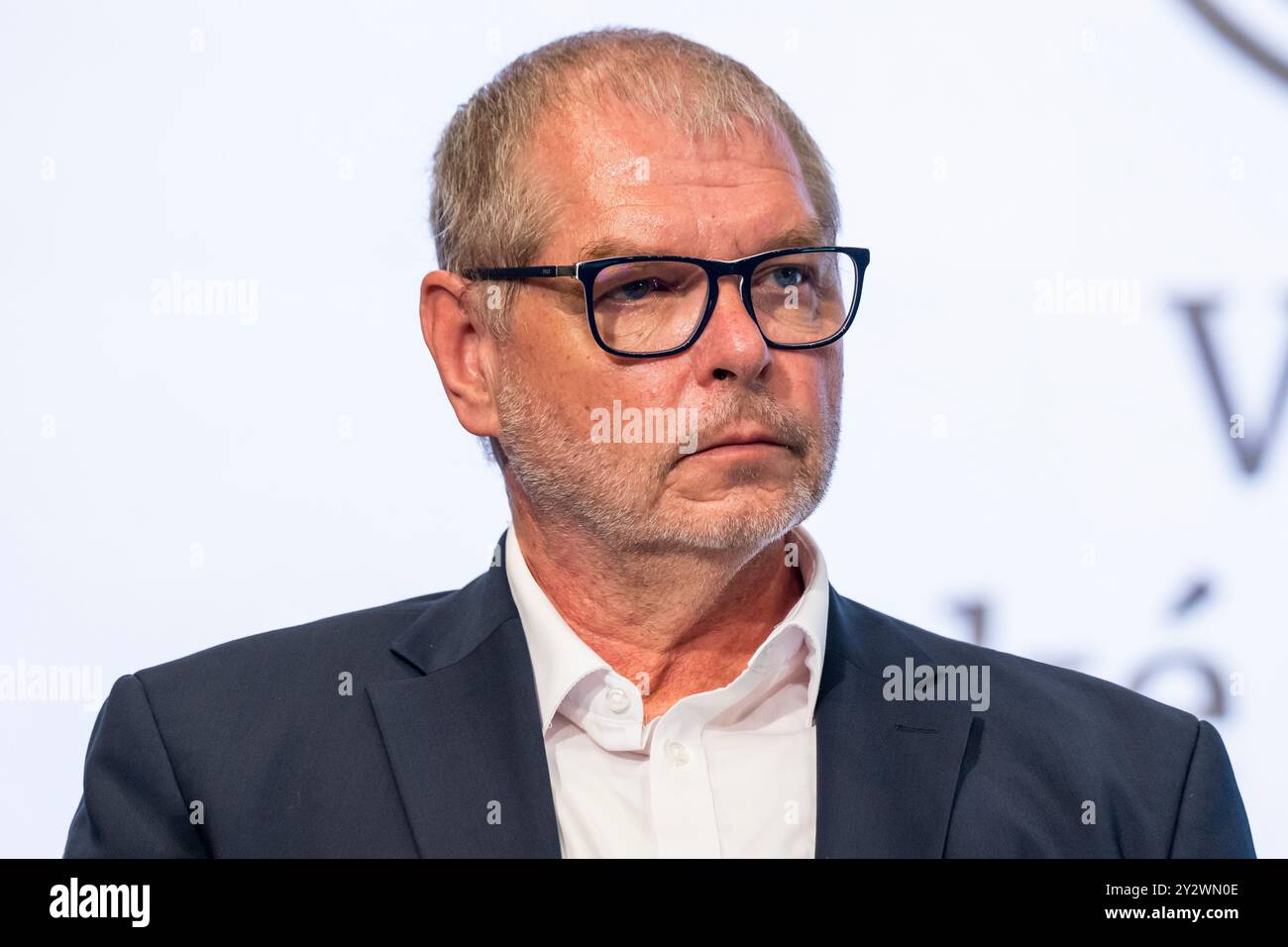
The director of the Prague City Hall administrative department, Petr Kubala, has faced public scrutiny following reports of a private meeting with a manager from a company currently under municipal review. The encounter, which occurred at a restaurant in the city, has raised questions regarding potential conflicts of interest within the Prague municipal government, according to reporting by Seznam Zprávy. Local officials are now weighing the implications of the meeting as the city continues its procurement and oversight processes involving the firm in question.
Public officials in the Czech Republic are governed by strict codes of ethics and the Conflict of Interest Act, which mandates transparency in dealings with entities that have active business or regulatory relationships with the state or municipality. While private meetings are not inherently illegal, the timing of this interaction—coinciding with an active investigation or audit—has prompted calls for a formal review of the conduct of the official involved, as noted by municipal oversight bodies.
The Context of the Municipal Review
The firm involved in the incident is currently subject to a vetting process overseen by the Prague City Hall. This process is part of the standard municipal administrative procedure, designed to ensure that contracts and partnerships adhere to public tender laws. According to the Prague City Hall official portal, all communications between municipal employees and bidding firms must be recorded to prevent undue influence or the appearance of impropriety. The presence of a senior official in a private setting with a company representative, while that company is under active review, creates a tension between professional duties and private social conduct.

Prague’s municipal administration has previously faced challenges regarding transparency in public procurement. Under the Act on Public Procurement, officials are required to maintain an arm’s-length distance from representatives of companies that are actively participating in municipal tenders. Failure to adhere to these guidelines can lead to disciplinary action or, in severe cases, the invalidation of the procurement process itself.
Ethical Standards for City Officials
The primary concern voiced by political observers and opposition members is the potential for “regulatory capture,” where an official might be influenced by a private entity to provide favorable outcomes in government contracts. Petr Kubala has not publicly detailed the specific nature of the conversation, but the optics of the meeting have drawn criticism from city council members who advocate for stricter enforcement of internal ethical guidelines. The Transparency International Czech Republic chapter frequently monitors such interactions, emphasizing that the burden of proof lies with the official to demonstrate that no sensitive information was exchanged.
When public officials engage with private sector managers, the risk of a perceived conflict of interest is high, especially when the manager represents a firm that stands to benefit from municipal decisions. The current situation highlights the ongoing struggle to maintain public trust in the administrative processes of the Czech capital. The city’s internal audit department has the authority to investigate whether any internal policies were breached during the interaction.
What Happens Next in the Investigation
The next steps in this matter involve a potential inquiry by the Prague City Council’s ethics committee. If it is determined that the meeting violated the internal code of conduct, the director could face administrative sanctions. As of the latest update, there has been no formal announcement of a criminal investigation, as the meeting remains categorized as a matter of administrative ethics rather than a violation of the Criminal Code.
Interested parties and the general public can monitor future council meetings and official Prague City Hall press releases for updates on whether an internal audit will be launched. Transparency remains a key pillar of the current municipal government’s platform, and the resolution of this incident will likely serve as a benchmark for how similar cases of potential conflicts of interest are handled in the future. We encourage readers to share their thoughts on the importance of transparency in local government in the comments section below.