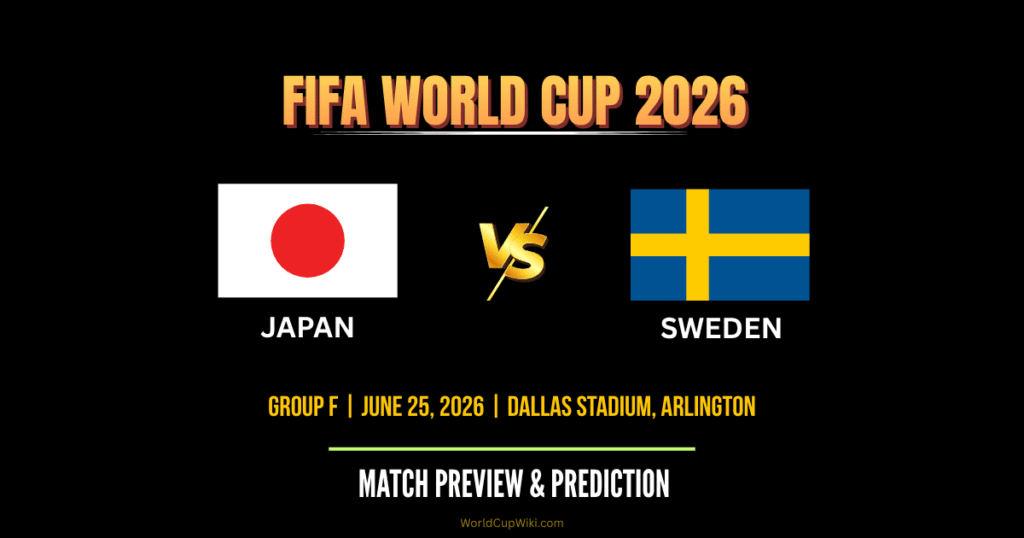
The 2026 FIFA World Cup is scheduled to expand to 48 teams, a move that will fundamentally alter the commercial scale and economic footprint of the tournament across the United States, Canada, and Mexico. This expansion represents a significant increase in the number of matches, broadcasting slots, and sponsorship opportunities compared to the previous 32-team format. While digital simulations and fan-led projections—including recent online discussions regarding potential matchups such as a draw between Japan and Sweden—continue to drive social media engagement, the official competitive results remain pending the tournament’s commencement in June 2026.
The upcoming tournament, hosted by three North American nations, is expected to generate unprecedented revenue for FIFA and its host partners. According to official FIFA projections, the transition to a 48-team format will increase the total number of matches from 64 to 104. This increase in inventory provides a larger platform for global media rights holders and corporate sponsors looking to capitalize on the expanded reach of the event.
How the 48-Team Expansion Impacts the Global Sports Economy
The decision to expand the tournament is a strategic response to the growing commercial demand for football in emerging markets. By increasing the number of participating nations, FIFA aims to broaden the geographic distribution of the sport’s economic benefits. This expansion allows more nations from the Asian Football Confederation (AFC) and the Confederation of African Football (CAF) to participate, which in turn opens new avenues for regional broadcasting deals and local sponsorships.
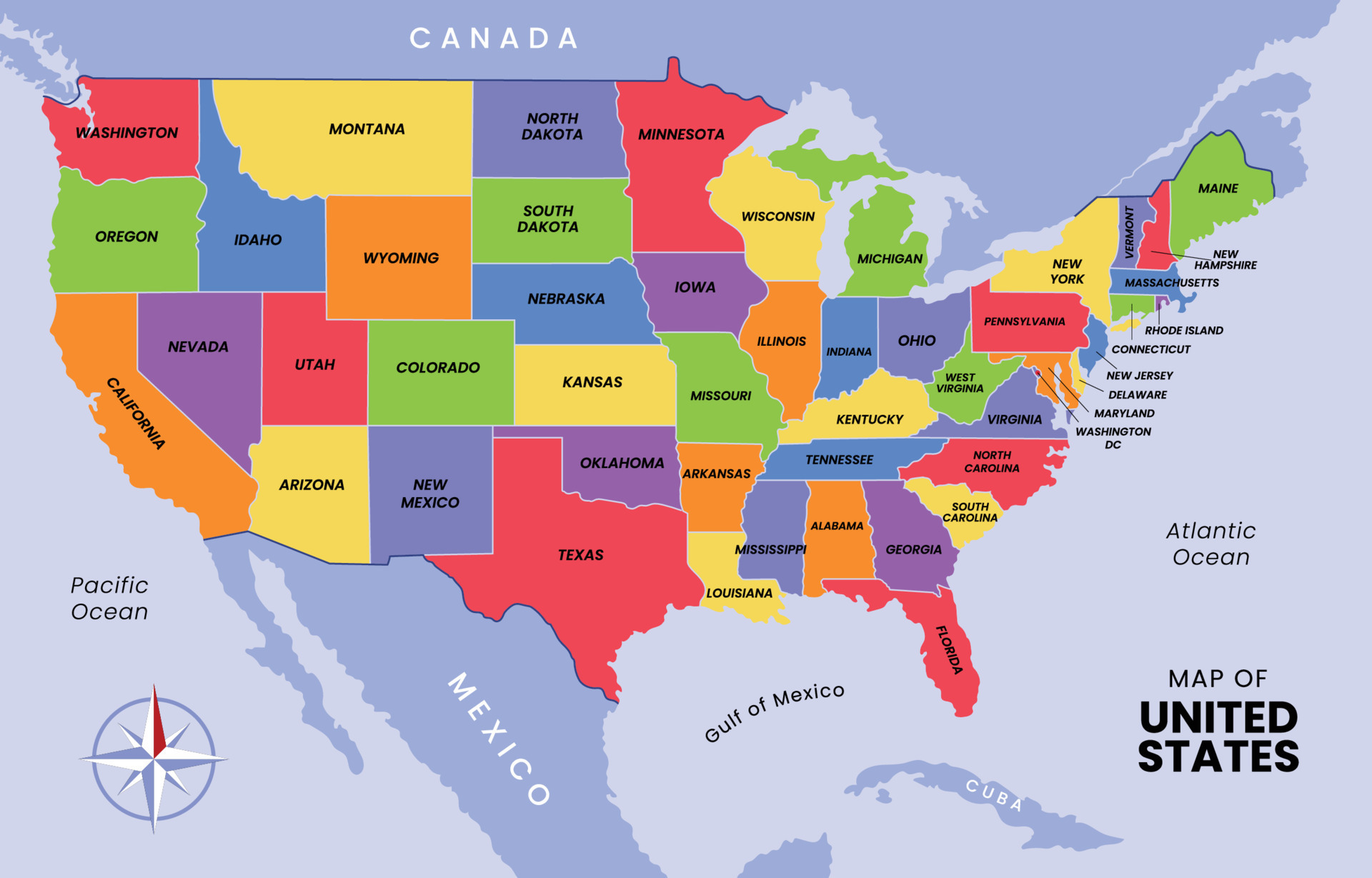
From a business perspective, the expansion creates a more complex logistical and financial landscape. The involvement of three host nations requires a coordinated economic effort between the United States, Canada, and Mexico. Analysts suggest that the decentralized hosting model will distribute the economic impact, stimulating tourism and infrastructure investment across a wider array of metropolitan areas. However, this also necessitates higher levels of cross-border cooperation regarding security, transportation, and tax regulations for international sporting entities.
The increase in match volume directly correlates to heightened broadcasting value. Media conglomerates are currently evaluating the long-term rights for the 2026 cycle, with the larger volume of content offering more opportunities for targeted advertising and digital streaming subscriptions. The integration of advanced data analytics and real-time betting markets is also expected to play a larger role in the tournament’s revenue model, as consumer engagement shifts toward interactive digital experiences.
The Commercial Rise of Japanese Football and the AFC Market
Japan remains a central figure in the economic landscape of Asian football. The Japanese national team, often referred to as “Samurai Blue,” serves as a primary driver for football-related commerce in the Asia-Pacific region. The growth of the J-League and the increasing visibility of Japanese players in top-tier European leagues have created a robust ecosystem of domestic and international sponsorship.
For FIFA, the performance and marketability of the Japanese team are critical to maximizing revenue in the AFC region. As Japan prepares for the 2026 cycle, the commercial interest in their participation extends beyond matchday viewership to include merchandise, digital content, and youth academy investments. The high level of engagement seen in digital simulations and match projections involving Japan highlights the significant consumer appetite for their competitive involvement on the world stage.
The economic influence of Japanese football is also reflected in the increasing value of broadcasting rights within the country. Domestic media outlets and streaming platforms are investing heavily in high-definition coverage and multi-platform access to ensure they capture the widest possible audience during major international windows. This trend is part of a broader movement toward the digitalization of sports consumption in East Asia.
European Market Stability and Sweden’s Competitive Standing
In contrast to the rapidly expanding markets in Asia, the European football market, led by UEFA, provides a foundation of institutional stability and high-value commercial contracts. Sweden, representing a key European market, maintains a consistent presence in international competition, contributing to the overall stability of the global football economy. The participation of European teams is essential for maintaining the high viewership numbers that drive the tournament’s primary advertising revenue.
The economic impact of European teams like Sweden extends to the club level, where the performance of national players in international tournaments directly influences transfer market values and club-level sponsorship deals. The synergy between national team success and the commercial health of domestic leagues remains a vital component of the European football model. As the 2026 World Cup approaches, the competitive readiness of European nations will be a key metric for investors tracking the movement of capital within the sports sector.
Furthermore, the European market serves as a primary source for technical innovation in sports broadcasting and fan engagement technologies. Many of the digital tools, from augmented reality overlays to advanced performance metrics, are developed and tested within the European ecosystem before being deployed on a global scale during FIFA events.
Infrastructure Investment and Host Nation Economic Stimulus
The selection of the United States, Canada, and Mexico as hosts has triggered significant capital expenditure in stadium infrastructure and urban development. The tournament is expected to act as a catalyst for long-term economic growth in host cities, particularly through the modernization of transit systems and the expansion of hospitality sectors. For the host nations, the challenge lies in balancing the immediate costs of hosting with the long-term benefits of increased tourism and global brand recognition.
Economic modeling for the 2026 tournament suggests that the influx of international visitors will provide a substantial boost to local economies. The hospitality, retail, and transportation sectors are expected to see a significant increase in demand during the tournament window. However, officials must also manage the potential for inflationary pressures in local markets during the peak period of the event.
The logistical complexity of managing a tournament across three countries requires unprecedented coordination in supply chain management and service delivery. From food and beverage providers to security firms, the scale of the 2026 World Cup will require a highly integrated approach to ensure operational efficiency and economic sustainability.
Comparison of Tournament Scales: 2022 vs. 2026
| Metric | 2022 FIFA World Cup (Qatar) | 2026 FIFA World Cup (North America) |
|---|---|---|
| Total Teams | 32 | 48 |
| Total Matches | 64 | 104 |
| Host Nations | 1 | 3 |
| Primary Economic Driver | Infrastructure/Energy | Tourism/Media Rights/Retail |
The Future of Sports Consumption and Digital Engagement
The 2026 FIFA World Cup will likely serve as a turning point for how sports are consumed globally. The integration of social media, real-time gaming simulations, and interactive broadcasting is expected to reach a new level of maturity. The interest expressed in digital scenarios—such as the competitive dynamics between teams like Japan and Sweden—demonstrates that the “second screen” experience is no longer secondary; it is a core component of the fan experience.
As the tournament approaches, the convergence of traditional media and digital platforms will create new opportunities for engagement. This includes the rise of micro-content, where short-form video clips of match highlights drive massive engagement on platforms like TikTok and Instagram, and the expansion of the sports betting industry, which provides a new layer of economic activity surrounding the tournament.
For stakeholders in the business of football, the 2026 cycle represents a period of both immense opportunity and significant complexity. Success will depend on the ability to navigate the evolving technological landscape while maximizing the value of the expanded tournament format. The focus for the next several years will remain on the official regulatory frameworks and the commercial preparations being finalized by FIFA and the host associations.
The next major milestone for the 2026 FIFA World Cup will be the official draw and the finalization of the group stage schedule, which will provide the definitive roadmap for teams, broadcasters, and investors.
What are your thoughts on the economic impact of the expanded 48-team format? Share your analysis in the comments below and please share this article with your professional network.
Related reading