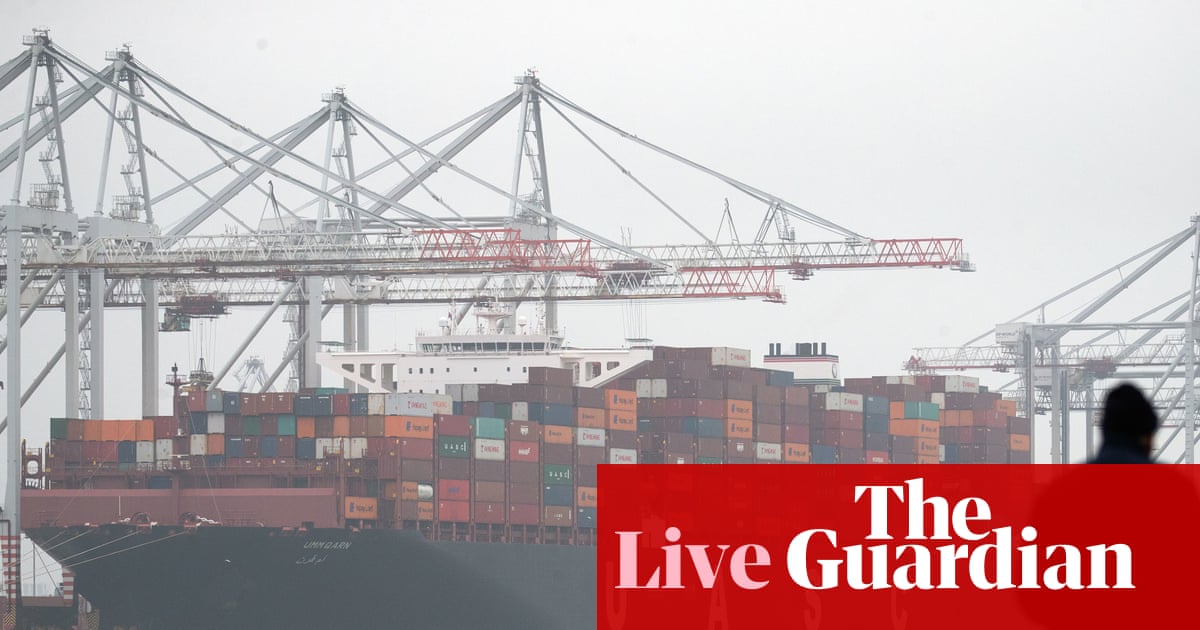
UK food and drink exporters are facing mounting economic pressure as a combination of trade friction following Brexit and persistent tariff disparities continues to hamper international growth. While the UK government has moved to suspend certain tariffs to ease the entry of US goods, domestic manufacturers report that the cost of shipping British products to American markets remains high, creating an uneven playing field for exporters.
This export slump occurs against a backdrop of broader economic uncertainty in the United Kingdom, where major infrastructure hubs are also signaling a cooling trend in demand. Heathrow Airport, a critical barometer for both passenger and cargo movement, recently updated its annual outlook, citing geopolitical instability in the Middle East as a primary factor for a projected decline in passenger volumes. According to the Heathrow Airport investor report for 2026, the airport anticipates handling 83.6 million passengers this year—a 1.1% decrease compared to 2025.
Trade Barriers and the Cost of Exporting
The challenges facing the UK food and drink sector are multifaceted, rooted in the evolving regulatory environment established after the UK’s departure from the European Union. Export data indicates that British businesses are struggling to maintain competitive pricing in the United States, as current trade conditions favor the importation of specific American goods over the exportation of British staples like biscuits, confectionery, and specialized spreads.

The UK government’s recent decision to suspend certain tariffs is intended to reduce costs for imports, particularly benefiting US companies looking to enter the British market. However, industry analysts note that this policy shift does not immediately alleviate the reciprocal costs faced by UK-based producers. As reported by the Department for Business and Trade, navigating post-Brexit trade arrangements requires ongoing negotiation to harmonize standards and reduce non-tariff barriers that currently inflate the price of British goods abroad.
Heathrow’s Outlook and Global Economic Links
The economic headwinds affecting food and drink exports are mirrored in the aviation sector, which often serves as a proxy for global trade health. Heathrow’s latest investor disclosure highlights how external crises, specifically the ongoing conflict in the Middle East, have dampened expectations for international travel and, by extension, the logistical chains that support luxury and perishable food exports.
Despite the projected 1.1% dip in total passenger numbers for the year, Heathrow reported a modest start to 2026. Data shows that in the five months leading to May 2026, the airport handled 32.8 million passengers, representing a 0.7% increase compared to the same period in the previous year. This growth was largely attributed to the utilization of larger aircraft and a rise in connecting passengers, yet the report emphasizes that these gains are under pressure due to regional instability, as detailed in the London Stock Exchange regulatory filings.
What Lies Ahead for UK Exporters
For the food and drink industry, the path forward involves balancing the benefits of government-led tariff suspensions with the reality of higher logistical and operational costs. The persistent nature of these trade frictions suggests that manufacturers will need to seek new markets or leverage existing trade agreements more effectively to offset the expenses of exporting to the US.
The next major checkpoint for these economic indicators will be the release of quarterly trade balance statistics by the Office for National Statistics (ONS), which will provide a clearer picture of how export volumes have fluctuated in response to these policy and geopolitical shifts. As these reports emerge, they will offer essential data for businesses attempting to adjust their supply chain strategies in an increasingly volatile global market.
We welcome your perspectives on how these trade developments are affecting your sector. Please share your thoughts in the comments section below or join the conversation by sharing this report with your professional network.
Related reading
- US Judge Allows Border Wall Construction on Tohono O’odham Reservation
- Extreme Drought Sparks Massive Wildfires Across Europe: France, UK, Spain, and Balkans Hit
- Apple Warns iPhone Users in 110 Countries of Mercenary Spyware Attacks (archynewsy.com)
- Government Warns Single-Use Grills Pose Significant Public Risk Amid Heatwave (world-today-news.com)