
The European Union has finalized new regulations establishing a formal “Right to Repair” for consumers, mandating that manufacturers make 16 specific categories of household appliances and electronics easier to service and maintain. This legislative push, formally adopted through the EU’s Directive on common rules promoting the repair of goods, aims to reduce electronic waste and extend the lifespan of consumer products by requiring that essential parts—such as batteries and displays—are made accessible and replaceable.
The new rules apply to a broad spectrum of household goods, ranging from large kitchen appliances to personal electronics. By requiring manufacturers to provide spare parts and repair information at reasonable prices and within a reasonable timeframe, the European Commission intends to shift the market away from a “throwaway” culture. According to the European Commission’s official policy brief, the regulation ensures that independent repairers and consumers have access to the necessary tools and manuals, preventing companies from using software or hardware barriers to block third-party repairs.
Which Devices Are Included Under the New Rules?
The legislation covers a comprehensive list of consumer products that are frequently discarded prematurely due to high repair costs or lack of available parts. The scope includes:

- Large household appliances: Washing machines, dryers, dishwashers, and refrigerators.
- Cooling and heating appliances: Air conditioners and heat pumps.
- Personal technology: Smartphones, tablets, and cordless vacuum cleaners.
- Specialized equipment: Electronic displays, monitors, and welding equipment.
For these products, manufacturers are no longer permitted to use design techniques that intentionally impede the replacement of critical components. This specifically addresses the common practice of gluing batteries into smartphones or tablets, which often renders the device effectively disposable once the battery degrades. The European Parliament highlights that this move is designed to lower the total cost of ownership for consumers over the lifespan of these devices.
How the “Right to Repair” Impacts Manufacturers
The mandate introduces strict obligations for producers. Under the finalized rules, manufacturers must provide spare parts and repair tools at a “reasonable” price. Furthermore, they are prohibited from limiting the use of second-hand or 3D-printed spare parts by independent repair workshops. This policy is a significant departure from previous industry standards, where proprietary restrictions often funneled consumers toward expensive, manufacturer-authorized service centers.
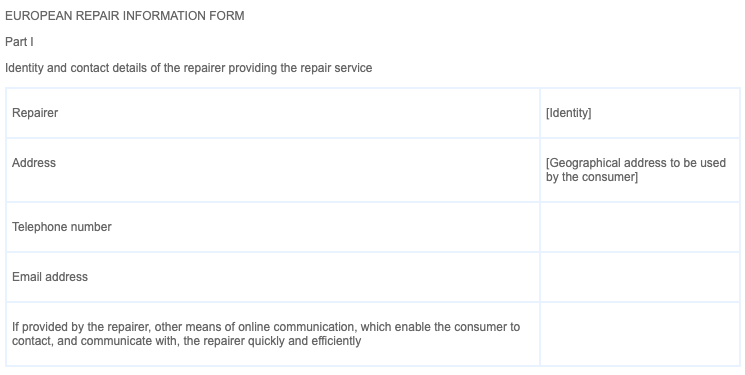
According to the official legal text of the proposal, the regulation also introduces a “European Repair Information Form,” which must be provided to consumers upon request. This document must clearly state the price of the repair and the expected duration of the work, increasing transparency in the repair market. If a product is under legal guarantee, the seller is now generally required to offer repair as the primary remedy, unless the cost of repair exceeds the cost of replacement.
Why This Policy Matters for Global Consumers
The European Union’s move toward repairability is expected to have a ripple effect on global product design. Because companies often standardize their manufacturing processes to comply with the strictest regulatory environments, the EU’s requirements effectively set a new global baseline for product durability. By mandating that devices be designed for disassembly, the EU is challenging the business models of multinational tech firms that have historically prioritized slim, sealed designs over long-term maintainability.
Environmental advocacy groups, such as the European Environmental Bureau, have long campaigned for these measures, citing the massive carbon footprint associated with manufacturing new electronics. The shift toward a circular economy—where resources are kept in use for as long as possible—is a cornerstone of the EU’s Green Deal. For the average consumer, this means that the device they purchase today should, in theory, be functional for several years longer than its predecessor.
What Happens Next for Implementation
Following the formal adoption of the directive in mid-2024, member states of the European Union have a specific window to transpose these requirements into their national laws. Companies will be given a transition period to adjust their supply chains and design protocols to meet these new standards. Monitoring of compliance will fall to national market surveillance authorities, who will have the power to penalize manufacturers that fail to provide necessary repair documentation or that continue to use anti-repair design features.

Consumers seeking to understand their specific rights under these new rules should monitor updates from their national consumer protection agencies. As the regulations take full effect, we expect to see an increase in the availability of DIY repair manuals and a broader market for aftermarket components. For further updates on the enforcement of these standards, stakeholders are directed to the official European Commission portal, which will host the latest guidance for both businesses and citizens as the implementation timeline progresses.
Related reading