
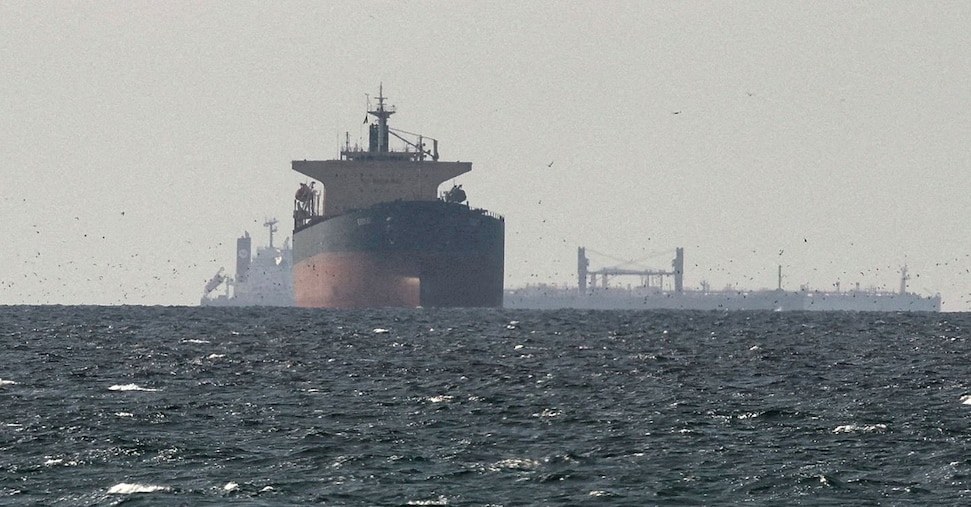
Direct communication channels have been established between United States and Iran to prevent incidents in the Strait of Hormuz, according to reports emerging from media. The development comes as tensions remain a focal point for maritime security and diplomacy.
The Strait of Hormuz has frequently served as a theater for confrontations. By creating a dedicated line of communication, the involved parties aim to mitigate the risk of miscalculation that could lead to a broader regional conflict.
Strategic Importance of the Strait of Hormuz
The Strait of Hormuz connects the Persian Gulf with the Gulf of Oman and the Arabian Sea. Its strategic value is underscored by the volume of crude oil and liquefied natural gas (LNG) transiting its waters daily, highlighting why any instability in the region triggers immediate global market reactions.

Military incidents in the area have historically involved the harassment of commercial tankers, the seizure of vessels, and the deployment of naval assets to ensure freedom of navigation. The establishment of a communication line is a tactical mechanism designed to manage these interactions, ensuring that local maneuvers do not escalate into a direct military confrontation between Washington and Tehran.
Managing Escalation Risks
The establishment of this channel reflects a shift toward crisis management in an environment where diplomatic relations remain strained. While the spokesperson for the Ministry of Foreign Affairs of Iran has stated, “We have the right to defend ourselves, security is not negotiable,” the pragmatic necessity of avoiding accidental combat has led to these measures.
The newly reported direct line represents an effort to institutionalize warnings, reducing the delay between potential incident detection and resolution.
Perspectives on Regional Security
There is a divergence in how these developments are characterized by different stakeholders. Iranian media has framed the communication line as a matter of regional stability. Conversely, analysts often view such channels as essential safety valves in a high-stakes geopolitical environment.
The current deconfliction effort is distinct from formal diplomatic negotiations; it is a functional tool rather than a political agreement, intended to preserve the status quo and prevent kinetic conflict.
What Happens Next
The effectiveness of this communication line will be tested by the next series of naval exercises or close-proximity encounters. Analysts will monitor whether the line results in a measurable decrease in the number of recorded interactions.
For mariners and shipping companies operating in the region, the primary focus remains the maintenance of freedom of navigation. As of this report, no specific date has been set for further high-level discussions regarding regional maritime security, though monitoring of central command statements will provide the most reliable indicators of the channel’s utility.
We welcome your insights on these developments. Share your thoughts in the comments section below or join the conversation on our social media platforms.