
Baden-Württemberg is currently experiencing a record-breaking summer heatwave, with temperatures reaching unprecedented levels that have prompted the cancellation of major outdoor sporting events and placed significant strain on the region’s healthcare infrastructure. According to the German Meteorological Service (DWD), the sustained high temperatures are part of a broader climate trend, while local authorities report that water levels in Lake Constance have dropped to historic lows for the month of June.
Impact on Regional Sports and Public Events
The intensity of the current heat has forced organizers across southwestern Germany to re-evaluate the viability of scheduled outdoor activities. Multiple regional sporting events were canceled or postponed over the past week to mitigate the risks of heat-related illnesses among participants and spectators. Officials from local sports associations noted that the primary concern is the potential for heat exhaustion and dehydration during prolonged exposure to extreme temperatures.
The State Agency for Civic Education has echoed warnings from health authorities, advising event organizers to provide increased access to shaded areas and potable water. While some smaller club-level events proceeded with modifications to start times, larger mass-participation sports have faced mandatory pauses. This shift underscores the increasing difficulty of maintaining traditional summer athletic calendars in an environment where heatwaves are becoming more frequent and severe.
Pressure on Healthcare Infrastructure
Hospitals and emergency services in Baden-Württemberg are reporting a noticeable increase in heat-related admissions. Medical professionals are observing a rise in patients seeking treatment for cardiovascular stress and dehydration, particularly among vulnerable populations such as the elderly and those with pre-existing chronic conditions.

According to reports from the Baden-Württemberg Ministry of Social Affairs and Integration, clinics have implemented specialized heat-action plans to manage the surge in patient volume. These protocols involve real-time monitoring of indoor temperatures within patient wards and the optimization of staffing levels to handle emergency cases. Health officials emphasize that the primary goal is to prevent the healthcare system from reaching capacity limits during the peak of the heatwave.
Environmental Consequences: The Lake Constance Decline
Beyond the immediate human impact, the environmental toll of the heatwave is visible in the region’s water bodies. Lake Constance, a vital natural resource for the area, has reached a historic low for the month of June. Data provided by the Lake Constance Water Supply Authority indicates that the lack of significant precipitation combined with high evaporation rates has led to a measurable decline in water levels.
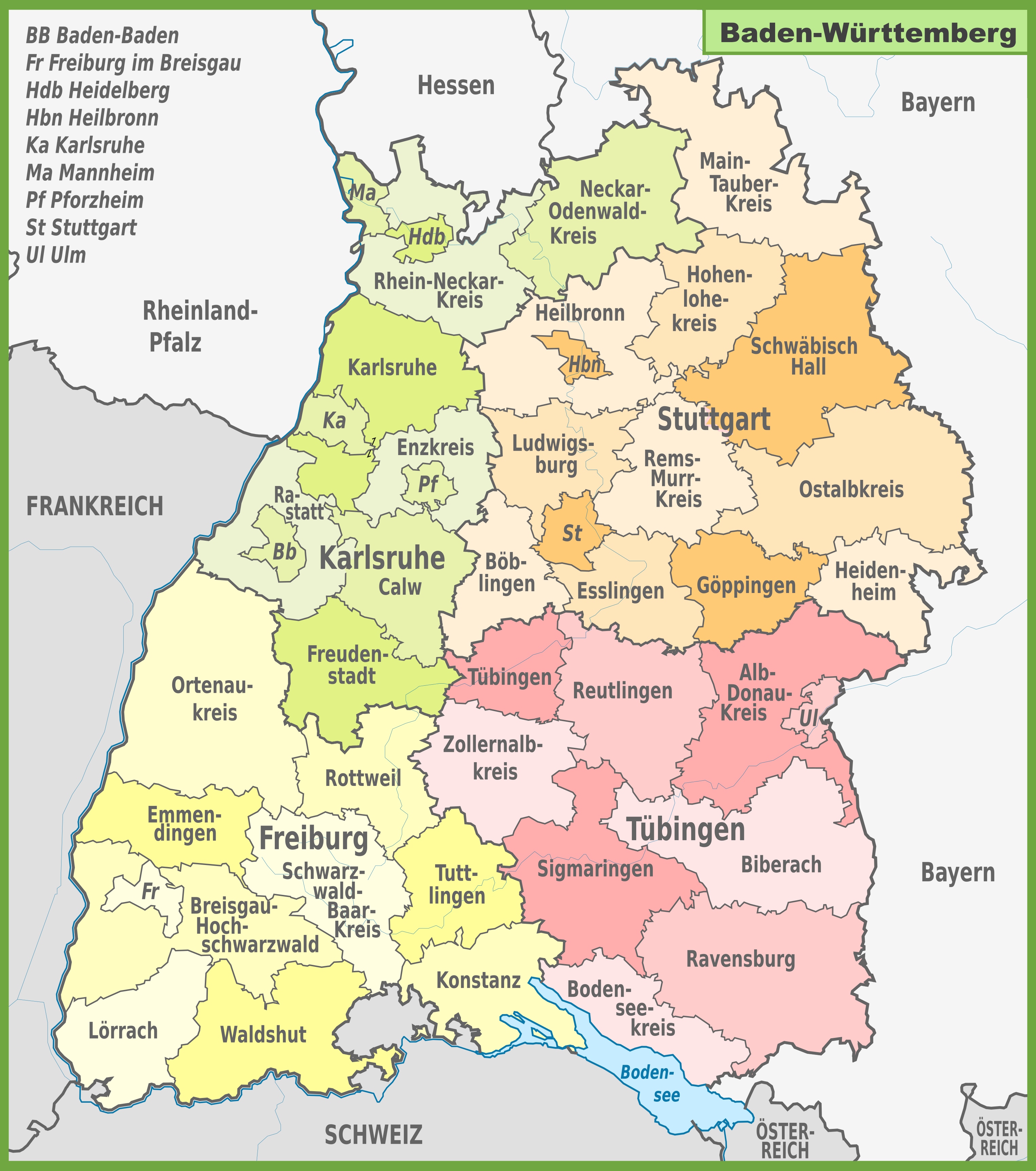
This drop is not merely a visual concern but carries implications for local ecosystems and water management. Low water levels can affect shipping channels, recreational boating, and the intake systems for municipal water supplies. Authorities continue to monitor the situation closely, though they note that replenishment depends entirely on future weather patterns and potential rainfall in the Alpine catchment areas.
Safety Measures and Public Guidance
As the heat persists, state authorities have issued clear guidelines for the public to ensure safety during the high-temperature period. The German Meteorological Service provides daily heat alerts that allow citizens to track the risk level in their specific district. Recommendations include avoiding physical exertion during the hottest parts of the day—typically between 11:00 AM and 4:00 PM—and maintaining consistent fluid intake.
Residents are encouraged to check on neighbors who may be at higher risk and to utilize public cooling centers where available. The government has stressed that these measures are essential to reducing the burden on emergency services. For those seeking the most recent updates on heat alerts or local event changes, the official state portal remains the primary source for verified information.
The next official evaluation of the regional climate situation is scheduled to be released by the DWD at the end of the current weather cycle. In the meantime, readers are encouraged to share their experiences with the heatwave or reach out with questions regarding local support services in the comments section below.
Keep reading