
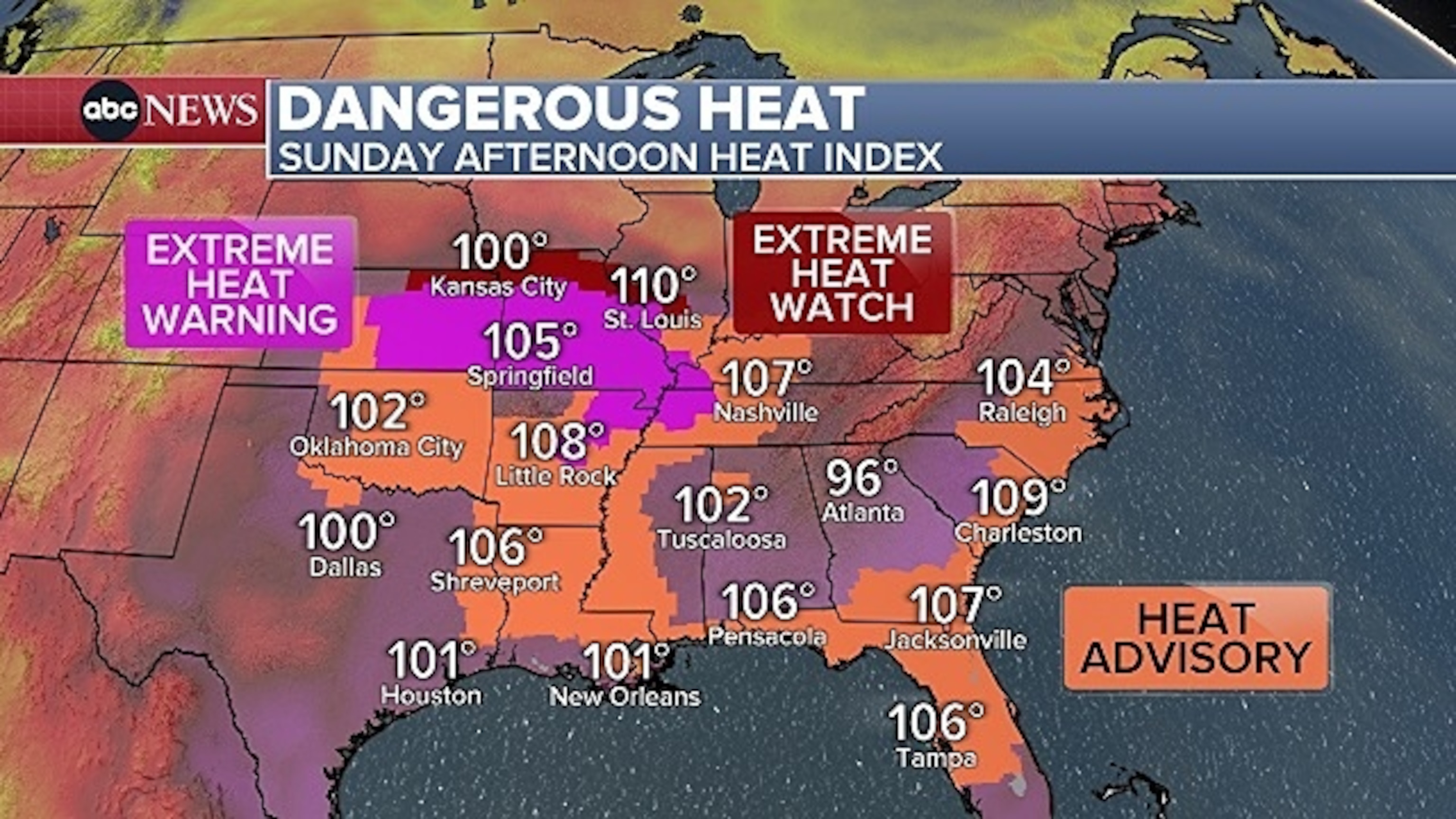
A dangerous heat wave is expected to impact large portions of the United States throughout the upcoming week, with extreme temperatures projected to build across the Midwest and East during the Fourth of July holiday period. Meteorologists are monitoring a widespread heat dome, which is forecast to trap hot air over these regions and lead to periods of near-record heat.
The pattern shift represents a significant meteorological event as the nation moves into early July. The intensity of the heat is expected to be widespread.
Understanding the Heat Dome Phenomenon
A heat dome occurs when a strong, high-pressure ridge parks itself over a region, acting like a lid on a pot. This system compresses the air, which warms it further, and prevents cooler, cloud-forming weather systems from entering the area. The stagnation of this air mass is what makes the event particularly dangerous.

The current forecast models suggest the core of the heat will begin to intensify midweek, coinciding with the lead-up to Independence Day celebrations. Residents are advised to monitor their local forecasts for specific heat advisories, watches, and warnings that will be issued as the system stabilizes over specific geographic zones.
Public Health and Safety Measures
The primary concern for public health officials during such events is heat-related illness, which includes heat exhaustion and the more severe, life-threatening heat stroke. Individuals are advised to stay indoors during the peak heat hours and maintain adequate hydration. Strenuous physical activity should be rescheduled for early morning or late evening hours when temperatures are at their lowest.
Local authorities are preparing for the strain this weather pattern may place on power grids and emergency services. In many jurisdictions, cooling centers are being activated to provide relief for those unable to keep their homes at safe temperatures. Residents are encouraged to check on elderly neighbors and those with pre-existing medical conditions who are at a higher risk of complications from sustained high temperatures.
Fire Weather Risks and Environmental Impact
Beyond the direct impact on human health, the combination of extreme heat and low humidity creates an elevated risk for wildfires. Dry vegetation, combined with the expected high temperatures, can allow fires to ignite and spread with increased speed. Officials in multiple states have already begun issuing warnings regarding the use of fireworks and open flames in anticipation of the holiday weekend.
The environmental impact extends to agriculture and infrastructure as well. High temperatures can stress crops and livestock, and asphalt, rail lines, and power grids may experience mechanical stress due to the prolonged heat.
Next Steps and Official Monitoring
The situation remains fluid, and meteorologists continue to refine their models regarding the exact duration and geographic extent of the heat wave. Residents are urged to rely on official meteorological sources and local emergency management agencies for real-time guidance as the system progresses.
As the holiday week approaches, staying informed through verified channels is the most effective way to prepare. Please share this information with friends and family to ensure community-wide awareness during this period of extreme weather. We will continue to track developments as official agencies release further data.
Keep reading