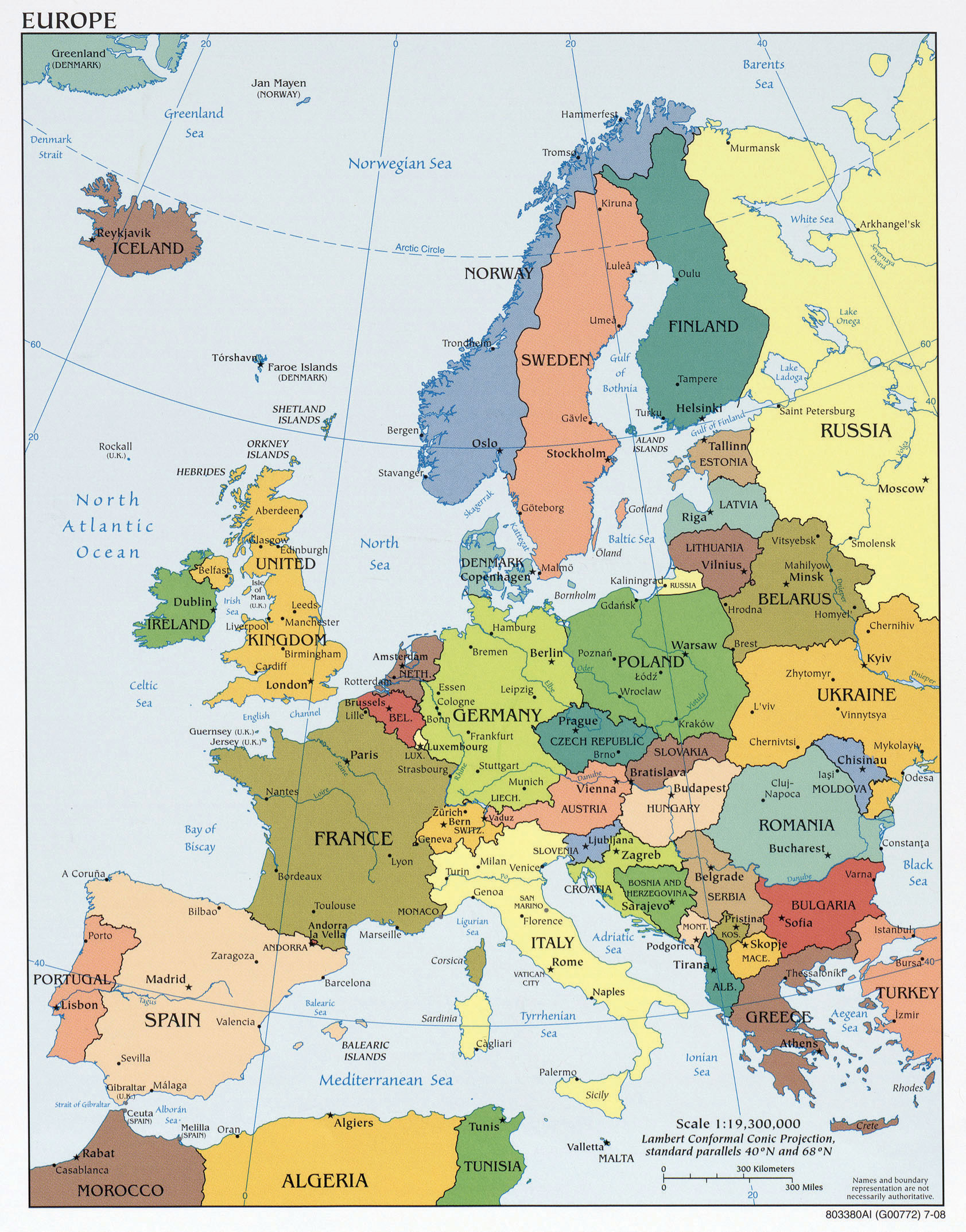
Tesla sales are rising across several European markets as aggressive price cuts and subsidized financing options continue to attract buyers, even as consumer sentiment remains polarized by the public persona of Chief Executive Elon Musk. Despite documented instances of potential customers boycotting the brand due to personal disagreements with Musk’s political views and public commentary, the company’s market performance in the European Union shows a resilience driven primarily by financial incentives.
According to data from the European Automobile Manufacturers’ Association (ACEA), Tesla’s registration figures in the EU have fluctuated throughout the year, but the company continues to maintain a significant footprint in the battery-electric vehicle (BEV) segment. While some buyers express hesitation regarding the CEO’s influence on the brand, market analysts observe that the practical utility of the vehicles—combined with reduced price points—often outweighs ideological concerns for the average consumer.
The Impact of Price Adjustments on Market Share
Tesla’s strategy to bolster demand in Europe has centered on systematic price reductions across its Model 3 and Model Y lineups. These adjustments, which began in earnest throughout 2023 and continued into 2024, were designed to counter rising interest rates that have otherwise cooled the broader automotive sector. By lowering the entry price, Tesla has effectively offset the increased cost of borrowing for many households.

Financial institutions and automotive industry analysts note that the shift toward more accessible pricing has been a calculated move to defend market share against an influx of lower-cost Chinese electric vehicle imports. A report by Reuters highlighted that these price cuts have been instrumental in keeping Tesla competitive in key markets, including Germany and France, where government subsidy schemes for electric vehicles have been undergoing significant structural changes. The removal of some environmental bonuses in Germany, as confirmed by the Federal Ministry for Economic Affairs and Climate Action, initially caused a dip in EV demand, yet Tesla’s proactive pricing helped stabilize its local order books.
Consumer Sentiment vs. Purchasing Behavior
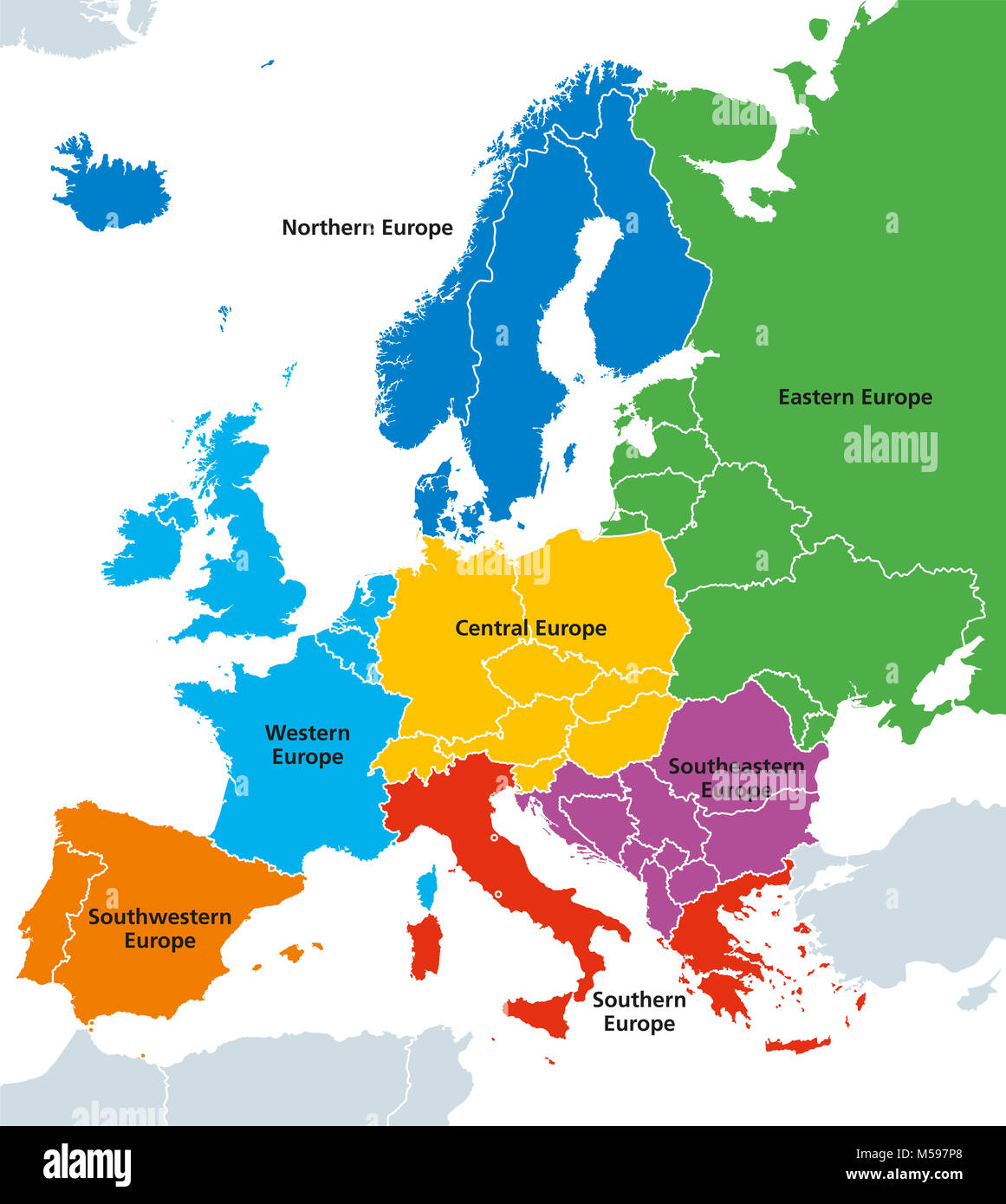
The tension between brand perception and consumer behavior remains a unique feature of the current automotive landscape. Social media discourse and various consumer surveys indicate that Elon Musk’s acquisitions and public statements have alienated a subset of potential buyers, particularly in Northern and Western Europe. However, industry experts suggest that this “brand toxicity” has not translated into a long-term decline in sales volume.
Market research firms often distinguish between “stated preference”—what a consumer says in a poll—and “revealed preference,” which is the actual act of purchasing a vehicle. The persistence of Tesla’s sales suggests that for many Europeans, the technical specifications, the availability of the Supercharger network, and the total cost of ownership remain the primary drivers of the decision-making process. The company has not officially commented on the impact of its CEO’s public image on specific regional sales, but the data suggests that financial incentives remain a powerful tool for overcoming brand-related friction.
The Role of Financing in Sustaining Demand
Beyond sticker price, the availability of low-interest-rate loans has been a critical lever for Tesla. As central banks across Europe maintained high benchmark interest rates to combat inflation, the cost of financing a new car purchase reached levels that sidelined many middle-income buyers. Tesla’s ability to offer bespoke financing programs, often in partnership with regional lenders, has provided a necessary bridge for consumers.
According to the European Central Bank’s latest monetary policy updates, interest rates have remained elevated, impacting consumer credit accessibility across the Eurozone. By subsidizing these rates, Tesla effectively lowers the monthly payment for the consumer, which is often the most significant factor in a household’s vehicle purchase decision. This strategy has been particularly effective in maintaining momentum for the Model Y, which remains one of the best-selling vehicles in Europe regardless of powertrain type.
Future Outlook and Regulatory Environment
Looking ahead, Tesla faces a complex regulatory environment in Europe. The European Commission’s ongoing investigations into Chinese electric vehicle subsidies, as detailed in their official trade proceedings, could lead to new tariffs that alter the competitive landscape for all EV manufacturers. For Tesla, which imports a portion of its European supply from its Gigafactory in Shanghai, these potential tariffs present a new set of logistical and financial challenges.
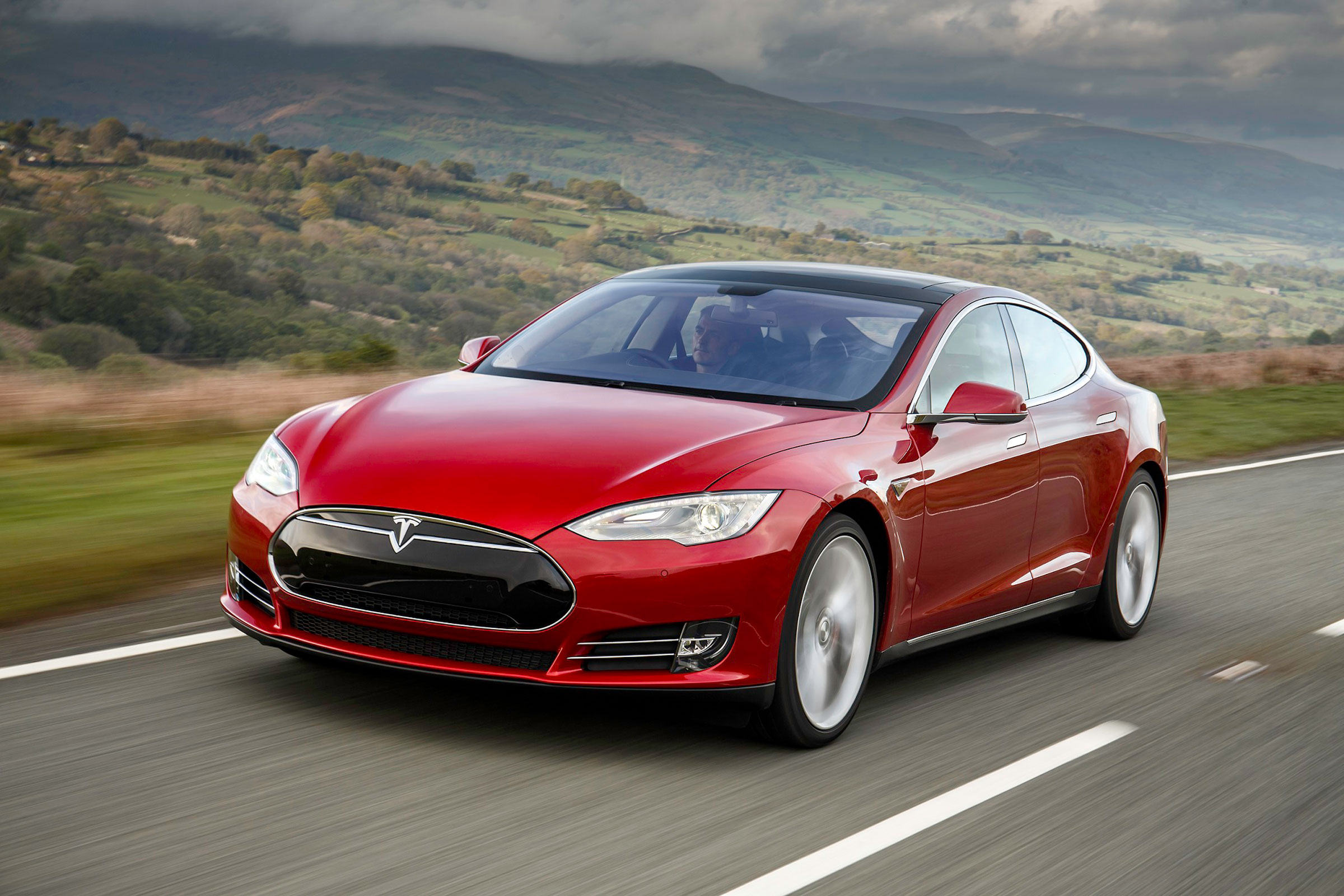
The company is expected to provide further updates on its European production capacity and delivery schedules during its next quarterly earnings call. Investors and stakeholders are currently monitoring the impact of the ongoing transition to the updated Model 3, which is aimed at improving margins without requiring further drastic price cuts. For the average buyer, the next few months will likely see continued fluctuation in both pricing and financing terms as the market reacts to shifting EU trade policies and broader economic conditions.
Readers interested in the latest registration statistics are encouraged to consult the monthly reports published by the European Automobile Manufacturers’ Association (ACEA) for the most accurate and verified data on vehicle sales across the continent.
This report is based on current market trends and verified industry data. For updates on Tesla’s operations in Europe, follow official company filings and announcements from the European Automobile Manufacturers’ Association. We invite readers to share their perspectives on the evolving EV market in the comments section below.