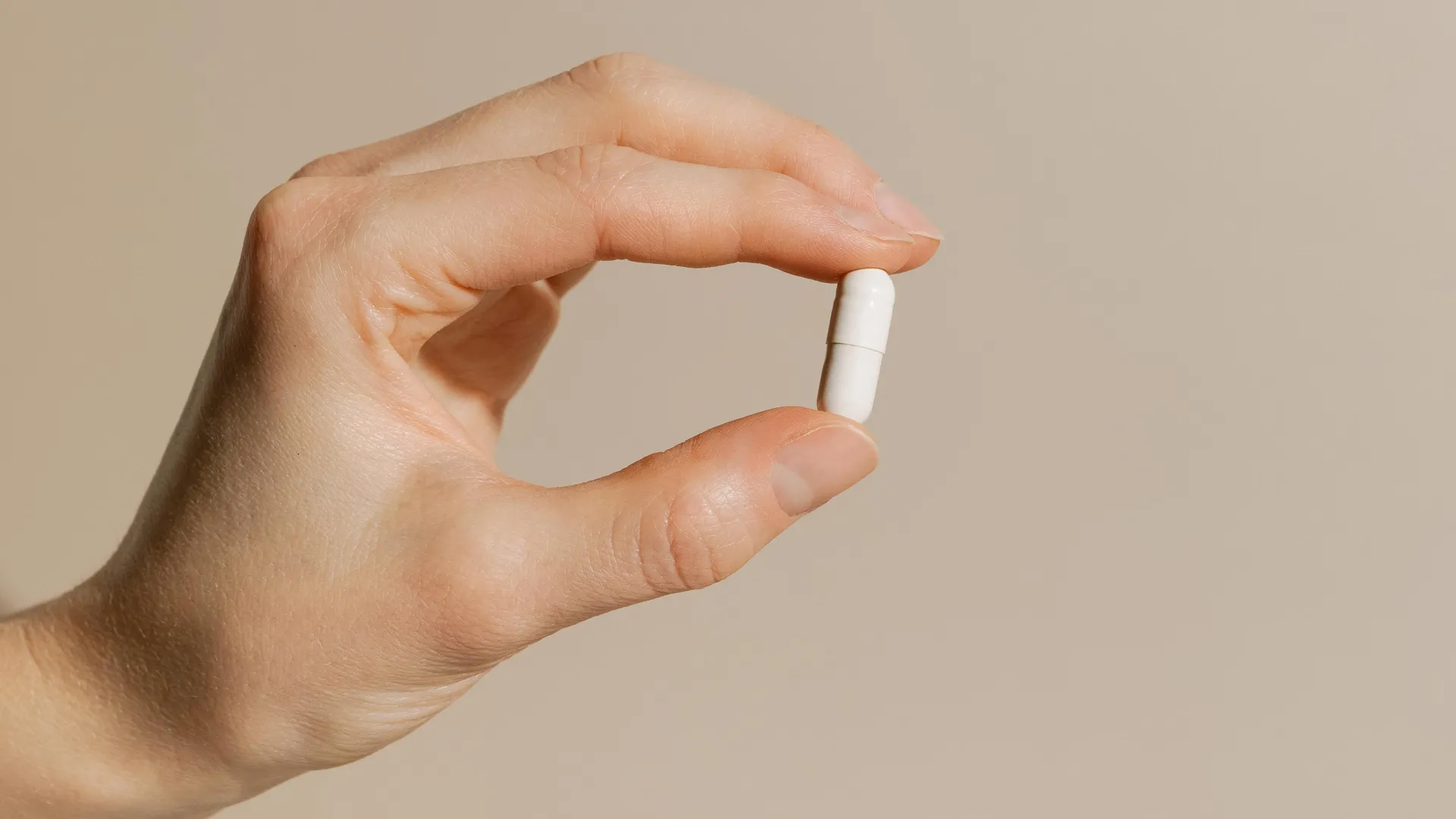
Recent investigations into the placebo effect have demonstrated that healthy older adults can experience measurable improvements in memory, physical performance, and stress even when fully aware that they are receiving inactive treatment. This phenomenon challenges clinical assumptions that deception is a necessary component for a placebo to elicit a response in patients.
Research indicates that the administration of placebos—substances with no pharmacological effect—can trigger symptom relief. While traditional clinical trials rely on double-blind methodologies to minimize bias, these studies suggest that the patient’s knowledge that the pills were inactive may be sufficient to influence health outcomes. Helena Fischer notes that these findings are reshaping the discourse on how medical professionals might integrate mind-body interventions into geriatric care.
The Mechanics of Open-Label Placebos
The core of the placebo effect lies in the patient’s interaction with the healthcare environment. When a patient acknowledges the ritual of taking a pill, even with the explicit knowledge that it contains no active medication, the brain may still initiate a therapeutic response.
In studies involving older adults, participants report reduced stress levels and improved memory recall after a three-week regimen of placebo administration. This appears to lead to measurable physiological changes in how the body manages stress and cognitive load. The effect is a measurable physiological change in how the body manages stress and cognitive load.
Why Contextual Care Matters in Geriatrics
For the aging population, the implications of these findings are significant. Chronic conditions often require long-term pharmaceutical management, which can lead to polypharmacy—the simultaneous use of multiple drugs—and an increased risk of adverse side effects. Placebos offer a potential adjunct therapy that carries zero risk of chemical interaction or toxicity.
The success of these interventions hinges on the transparency of the provider-patient relationship. In clinical settings, physicians who openly discuss the potential for a placebo response allow patients to participate in their own healing process without the ethical complications of deception. This approach aligns with modern bioethical standards that prioritize informed consent and patient autonomy.
Limitations and Future Research
Despite the promise shown in small-scale trials, the medical community remains cautious about the broad application of placebo treatments. It is critical to distinguish between using placebos as a primary treatment for acute disease and utilizing them as a supportive measure for symptom management in chronic, stable conditions.
Future research is expected to focus on identifying which patient profiles are most likely to respond to these interventions. As more data becomes available, the medical establishment may develop standardized protocols for the ethical use of non-active treatments in geriatric and palliative care environments.
The next major milestone in this field involves large-scale, multi-center clinical trials designed to validate the durability of these improvements over periods longer than three weeks. We invite our readers to share their thoughts and experiences regarding holistic approaches to health in the comments section below.
Keep reading