
UnitedHealth Group shares saw a notable increase in recent trading sessions, reflecting broader investor sentiment toward the managed healthcare sector. The company, which operates as a diversified health care provider, experienced a positive shift in its market valuation as analysts monitor fluctuations in insurance claims and regulatory developments within the United States market. According to data tracked by the New York Stock Exchange, the company remains a significant component of the Dow Jones Industrial Average, influencing health sector performance metrics.
Market analysts often point to UnitedHealth’s quarterly earnings reports as the primary barometer for the health insurance industry. As of the most recent financial disclosures, the company reported total revenues of $98.9 billion for the second quarter of 2024, an increase of 6% compared to the same period in the previous year, as documented in the official investor relations filing. This growth is frequently attributed to the expansion of its Optum health services division, which provides data-driven clinical care and pharmacy benefits management.
Factors Influencing Recent Valuation
The movement in UnitedHealth Group’s stock price is rarely tied to a single event, but rather a combination of macroeconomic indicators and sector-specific policy outcomes. Investors frequently assess the company’s performance against the backdrop of the Centers for Medicare & Medicaid Services (CMS) annual rate adjustments. According to a formal announcement from CMS, the finalized payment rates for Medicare Advantage plans for the 2025 calendar year are a critical factor for major insurers, as these rates dictate profit margins for the largest segment of their business.
Beyond regulatory shifts, the company’s ability to manage medical loss ratios—a key metric representing the percentage of premiums spent on medical claims—remains a focal point for institutional investors. When the ratio remains stable or improves, it typically signals to the market that the insurer is effectively managing care costs and administrative overhead. Financial reports confirm that managing these costs is essential for maintaining dividend stability and funding ongoing capital expenditures in digital health infrastructure.
Analyzing the Optum and UnitedHealthcare Divisions
UnitedHealth Group operates through two primary platforms: UnitedHealthcare, which provides health insurance coverage, and Optum, which provides health services. The synergy between these two arms is a central part of the company’s business model. According to the company’s corporate profile, Optum serves as a provider of health care services, including pharmacy care, data analytics, and surgical care, which helps the organization control costs across the entire spectrum of medical delivery.
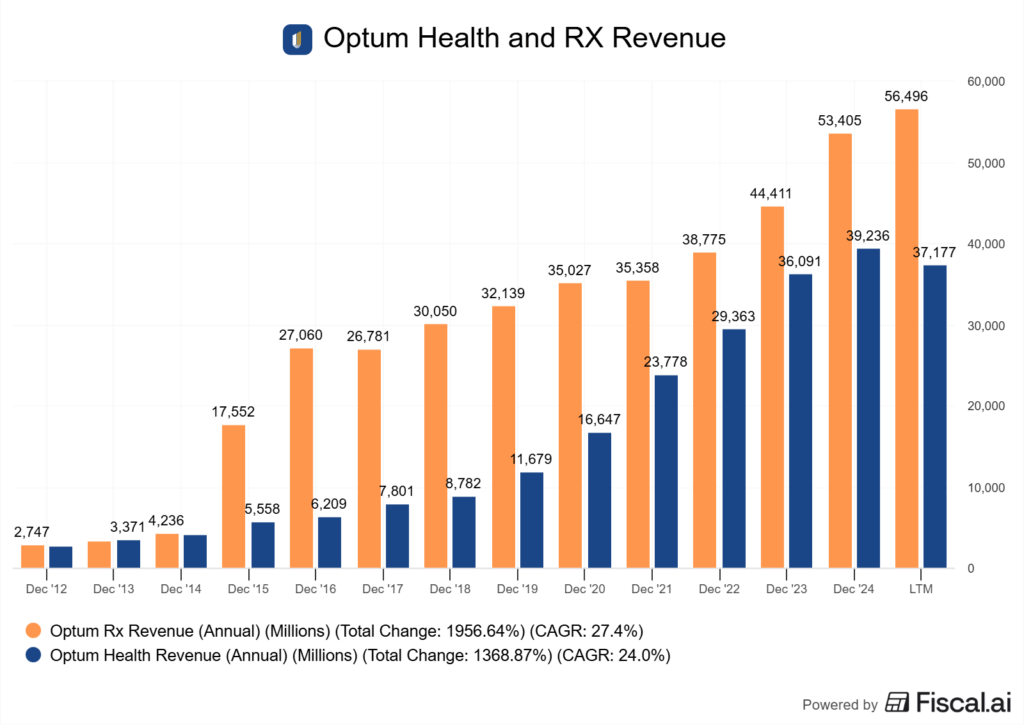
This dual-platform strategy allows the company to capture value from both the payer side (insurance premiums) and the provider side (direct clinical care). Analysts at major financial institutions often highlight this structure as a hedge against volatility in the insurance market, as the growth in health services can sometimes offset lower margins in the insurance segment during periods of high healthcare utilization.
Upcoming Financial Milestones
For investors and stakeholders, the next major indicator of the company’s fiscal health will be the release of its third-quarter 2024 earnings results. These reports are typically released in mid-October, providing a detailed look at how the company has managed seasonal healthcare utilization and any unexpected impacts from the ongoing integration of their various service lines. These disclosures are made available through the UnitedHealth Group Investor Relations portal, where the company also archives historical performance data and presentations for shareholders.
Market participants are also keeping a close watch on any updates regarding Department of Justice (DOJ) inquiries or ongoing regulatory oversight, which can influence stock volatility. It is standard practice for the company to address these issues in their 10-Q and 10-K filings submitted to the Securities and Exchange Commission. As with all publicly traded entities, the company is required to disclose material risks to its business model in these official documents, which serve as the most accurate resource for assessing potential long-term liabilities.
Readers interested in following these developments can monitor the EDGAR database maintained by the SEC for the most recent filings. We invite our readers to share their analysis of the healthcare sector’s performance in the comments section below.
- How Socialism Destroyed Old Petržalka to Build Central Europe’s Largest Housing Estate
- Trump Highlights Crime and GOP Strategy During New York Suburbs Rally
- Luxembourg and WHO Sign Landmark €47.5 Million Global Health Partnership (world-today-news.com)
- Title Insurance Covers a Crime That Almost Never Happens (daybreakwire.com)