The National Institute of Historical Studies of the Revolutions of Mexico (INEHRM) is set to host a virtual academic presentation addressing the history of piracy and maritime conflict in the Gulf of Mexico. The event, which aims to examine the role of non-state actors and historical maritime security challenges in the region, will be broadcast live via the institute’s official digital platforms, according to official announcements from the Mexican government.
The presentation is part of an ongoing effort by the institute to provide historical context for contemporary regional security issues. By analyzing the evolution of maritime threats—ranging from historical buccaneers to organized militia movements—the program seeks to explore how the Gulf of Mexico has served as a theater for unconventional warfare and illicit trade over several centuries. The session is scheduled for public viewing, with organizers emphasizing the importance of academic discourse in understanding the geopolitical complexities of the Mexican coastline.
Historical Context of Maritime Security in the Gulf
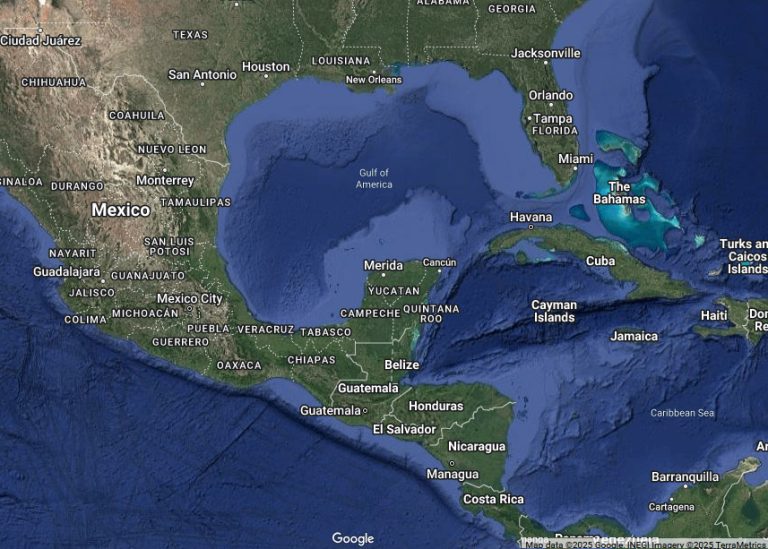
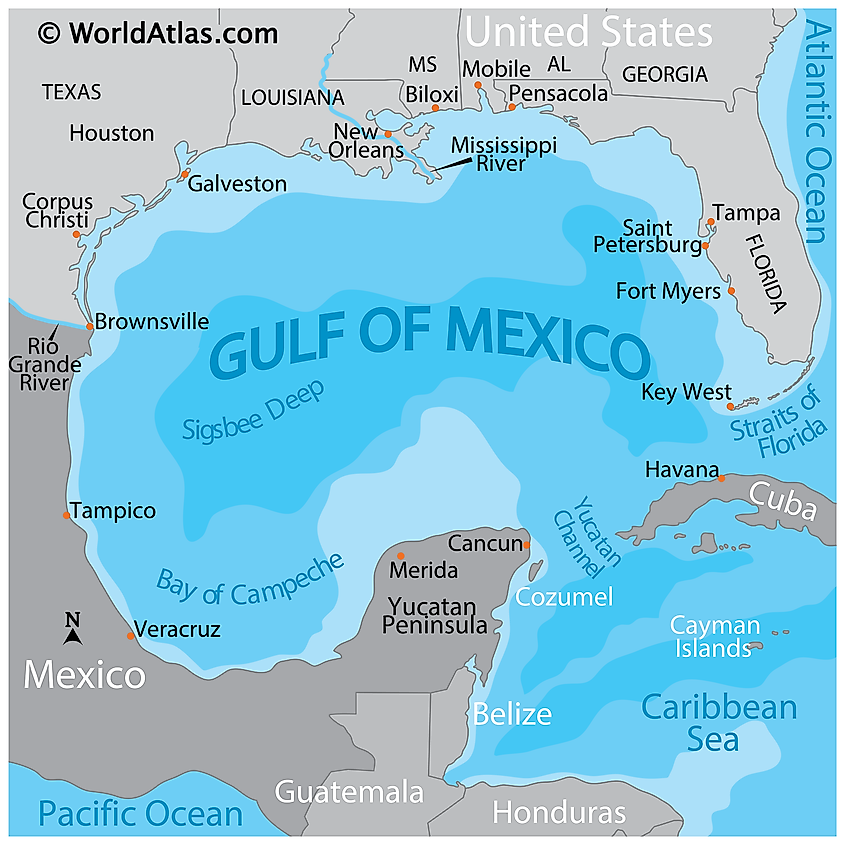
The Gulf of Mexico has functioned as a critical maritime corridor since the colonial era, attracting both state-sanctioned navies and independent actors. Historical records from the Mexican government indicate that the region faced persistent threats from privateers and pirate fleets that disrupted trade routes between the Americas and Europe. The upcoming INEHRM presentation will likely focus on these structural vulnerabilities and the subsequent development of maritime defense policies in early independent Mexico, as detailed in the institutional archives of the INEHRM.
Understanding these historical patterns is essential for current researchers and policymakers. The transition from colonial-era piracy to modern maritime security concerns involves a complex interplay of geography, international law, and regional stability. Scholars associated with the institute have previously noted that the Gulf’s strategic importance often outpaced the central government’s ability to police its waters, a recurring theme that will be central to the upcoming discussion.
Digital Access to the Presentation
The institute has confirmed that the event will be held in a virtual format to ensure accessibility for a global audience. Interested participants can access the live stream through the official INEHRM Facebook page or via the institute’s dedicated YouTube channel. These platforms serve as the primary venues for the institute’s public outreach, allowing for real-time interaction and the preservation of academic content for future reference.

The shift toward digital dissemination reflects a broader trend in academic institutions to democratize access to historical research. By leveraging social media and video hosting services, the INEHRM allows researchers, students, and the general public to engage with specialized topics without the geographical constraints of physical attendance. This approach aligns with the federal government’s broader digital strategy to promote historical literacy across Mexico.
Understanding the Role of INEHRM
The National Institute of Historical Studies of the Revolutions of Mexico is a decentralized agency of the Secretariat of Culture, charged with the study and dissemination of the history of the Mexican revolutionary movements. According to the official mandate of the organization, its mission encompasses the promotion of research into the social, political, and cultural history of the nation. The study of maritime conflict, while distinct from internal revolutionary movements, provides a necessary lens through which to view the territorial integrity and economic development of the country.
For those interested in further updates or additional academic resources regarding this topic, the institute maintains a repository of scholarly articles and past conference materials on its official website. The upcoming presentation on maritime milicianos and pirates represents a specific intersection of military history and regional identity, highlighting the persistent challenges of securing the Gulf of Mexico.
Future programming from the institute is typically announced through its social media channels and the government’s central portal. Viewers are encouraged to follow the provided links to receive notifications for the live broadcast and to access archival recordings following the conclusion of the event.
Worth a look