
A viral infection affecting the trigeminal nerve, most commonly caused by the varicella-zoster virus (shingles), typically presents as intense, unilateral facial pain, tingling, or a localized blistering rash. Medical professionals identify these symptoms by their specific distribution along the three branches of the trigeminal nerve, which provides sensation to the forehead, cheeks, and jaw.
Patients experiencing facial discomfort often struggle to distinguish between various neurological and viral conditions. While “trigeminal virus” is not a formal medical diagnosis, it is a common way patients describe shingles (herpes zoster) when the virus reactivates within the trigeminal ganglion. This nerve ganglion sits near the brainstem and serves as the primary hub for facial sensory input. According to the Mayo Clinic, shingles symptoms often begin with pain, burning, or itching before a visible rash appears.
Understanding the distinction between a viral infection and primary trigeminal neuralgia is critical for effective treatment. While both conditions cause severe facial pain, their causes, presentations, and long-term implications differ significantly. Misdiagnosis can delay necessary antiviral therapy, which is most effective when administered shortly after symptom onset.
Understanding the Anatomy of the Trigeminal Nerve
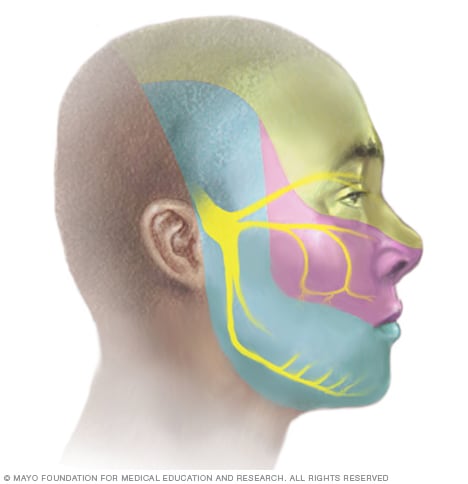
To identify symptoms accurately, one must understand the structure of the trigeminal nerve, also known as cranial nerve V. This nerve is responsible for transmitting sensory information from the face to the brain. It divides into three distinct pathways, known as branches, each covering a specific area of the face.
- Ophthalmic Branch (V1): This branch provides sensation to the forehead, the upper eyelid, and the cornea of the eye. Infections affecting this branch are particularly serious due to the risk of vision loss.
- Maxillary Branch (V2): This branch covers the area of the cheeks, the upper lip, the upper teeth, and the nasal mucosa.
- Mandibular Branch (V3): This branch provides sensation to the lower jaw, the lower teeth, and the chin.
When a virus like the varicella-zoster virus (VZV) reactivates, it travels down one of these specific pathways. This results in pain and dermatomal rashes—meaning the symptoms strictly follow the path of that specific nerve branch—which helps clinicians differentiate the infection from other types of facial pain.
Recognizing Trigeminal Nerve Virus Symptoms
The symptoms of a viral infection affecting the trigeminal nerve typically progress through several stages. The initial stage is often characterized by “prodromal” symptoms, which occur before any visible skin changes appear. During this phase, patients frequently report sensations that can be easily mistaken for other issues, such as dental problems or sinus infections.

According to the Centers for Disease Control and Prevention (CDC), the hallmark symptoms of shingles include:
- Sensory Changes: Tingling, itching, or a “pins and needles” sensation on one side of the face.
- Pain Profiles: Sharp, stabbing, or burning pain that can feel like an electric shock.
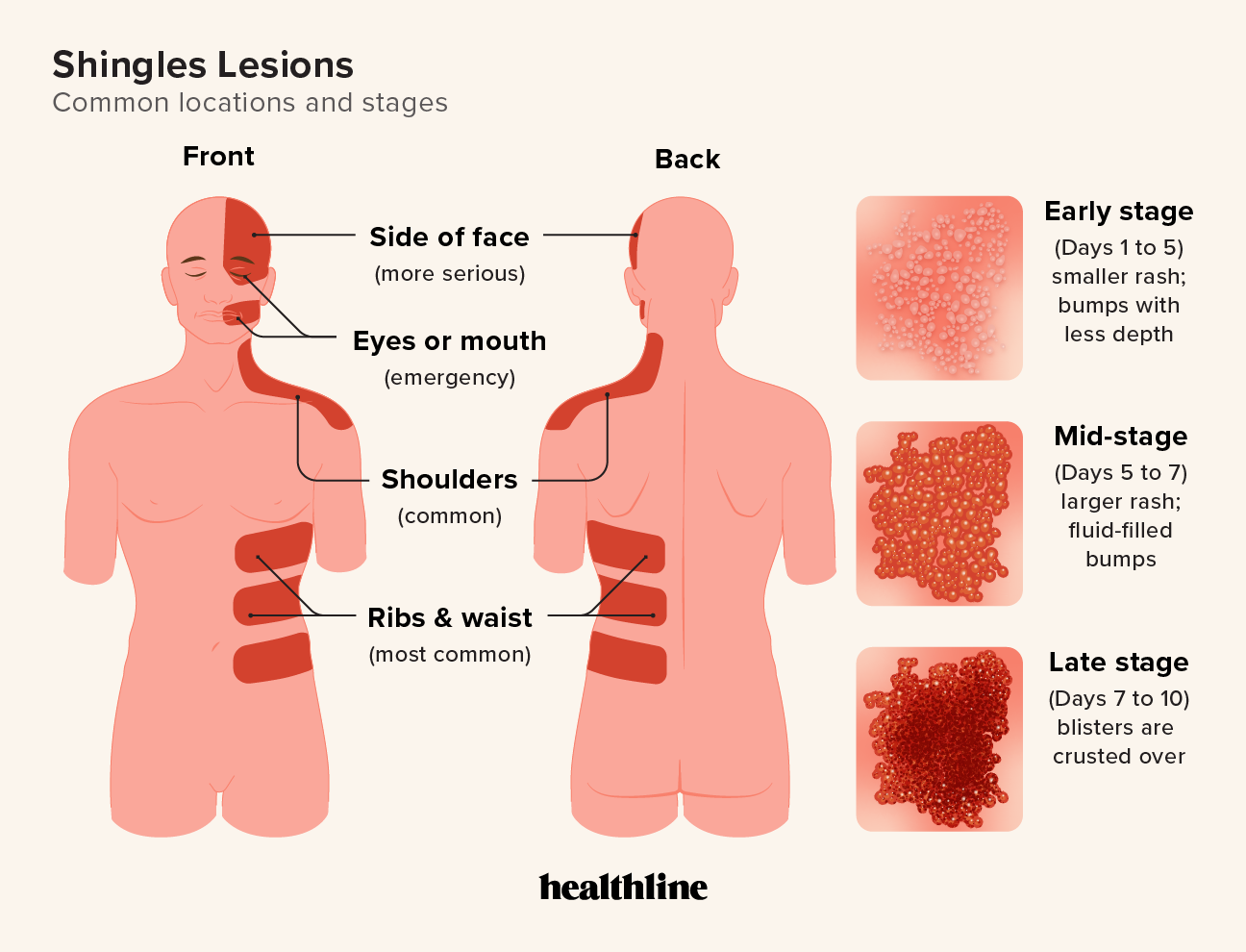
- Skin Eruptions: The development of red patches that eventually turn into fluid-filled blisters (vesicles).
- Unilateral Distribution: A defining characteristic is that the symptoms almost always stay on one side of the face, following the path of a single nerve branch.
If the infection affects the ophthalmic branch (V1), it is medically referred to as Herpes Zoster Ophthalmicus. This condition is a medical emergency because the inflammation can spread to the eye, potentially causing corneal scarring, glaucoma, or permanent blindness.
Shingles vs. Trigeminal Neuralgia: Key Differences
A common point of confusion for patients is the difference between shingles and trigeminal neuralgia. While both involve the trigeminal nerve, they are distinct clinical entities. Trigeminal neuralgia is a chronic pain condition characterized by sudden, severe, electric-shock-like pains in the face, often triggered by light touch, chewing, or even a breeze. Unlike shingles, pure trigeminal neuralgia typically does not present with a skin rash.
The following table compares the two conditions based on clinical presentations:
| Feature | Shingles (Herpes Zoster) | Trigeminal Neuralgia |
|---|---|---|
| Primary Cause | Reactivation of Varicella-Zoster Virus | Nerve compression or neurological damage |
| Skin Involvement | Redness, blisters, and crusting | Typically no skin changes |
| Pain Type | Burning, aching, or stinging | Electric-shock, stabbing, or lancinating |
| Duration | Acute (weeks to months) | Chronic (can last years) |
| Primary Treatment | Antivirals and pain management | Anticonvulsants or surgical intervention |
It is important to note that shingles can lead to a condition called Post-Herpetic Neuralgia (PHN). PHN occurs when the nerve fibers are damaged by the virus, causing pain to persist long after the skin rash has healed. This type of pain can be difficult to treat and is a common complication in older adults.
When to Seek Immediate Medical Attention
Because the trigeminal nerve is so closely linked to vital sensory functions, certain symptoms require urgent evaluation by a healthcare professional. Delaying treatment for a viral infection in the facial region can lead to permanent neurological deficits or sensory loss.
Medical experts recommend seeking emergency care if you experience any of the following:
- Eye Involvement: Any redness, pain, or vision changes in the eye on the same side as the facial pain.
- Neurological Deficits: Sudden weakness in facial muscles, drooping of the mouth, or difficulty speaking.
- Severe Pain: Pain that cannot be managed with over-the-counter medications or that prevents sleep.
- High Fever: The presence of a fever alongside facial pain may indicate a secondary infection or a more systemic inflammatory response.
Early intervention with antiviral medications, such as acyclovir, valacyclovir, or famciclovir, is most effective when started within 72 hours of the appearance of the rash. These medications work by inhibiting the replication of the varicella-zoster virus, thereby reducing the severity and duration of the outbreak.
Diagnosis and Management Strategies
Clinicians typically diagnose trigeminal nerve infections through a physical examination and a review of the patient’s medical history. Because the distribution of a shingles rash is so characteristic of the nerve pathways, a visual inspection of the skin is often sufficient for a diagnosis. In cases where the diagnosis is unclear, or if there is suspicion of a different neurological cause, doctors may order imaging studies.
According to the National Institutes of Health (NIH), diagnostic tools may include:
- MRI Scans: Used to rule out other causes of facial pain, such as tumors or vascular compression of the nerve.
- Blood Tests: To check for inflammatory markers or viral presence in specific instances.
- Skin Swabs: Though less common for shingles, swabs can confirm the presence of the virus in complicated cases.
Management of the condition is twofold: treating the virus and managing the pain. Antiviral therapy targets the underlying cause, while pain management may involve anticonvulsants (like gabapentin), topical lidocaine patches, or, in severe cases, corticosteroids to reduce inflammation. For long-term complications like PHN, specialized pain management protocols are often required.
Frequently Asked Questions
Can a facial virus cause permanent numbness?
Yes. If the virus causes significant damage to the nerve fibers within the trigeminal ganglion, it can lead to long-term sensory changes, including numbness or altered sensation (paresthesia) in the affected area.
Is shingles contagious?
You cannot “catch” shingles from someone else. However, you can catch the varicella-zoster virus from someone who has active shingles if you have never had chickenpox or the chickenpox vaccine. If infected, you would develop chickenpox, not shingles.
How can I prevent a trigeminal nerve infection?
The most effective prevention method is vaccination. The Shingrix vaccine is highly effective at preventing shingles and its most common complication, post-herpetic neuralgia. Health authorities generally recommend the vaccine for adults aged 50 and older.
Medical guidelines regarding vaccination schedules and eligibility are subject to updates from national health agencies. Patients should consult their primary care provider for the most current recommendations based on their individual health profile.
For more updates on public health advisories and medical innovations, please follow our health section or share this article with those who may find it helpful.
Worth a look