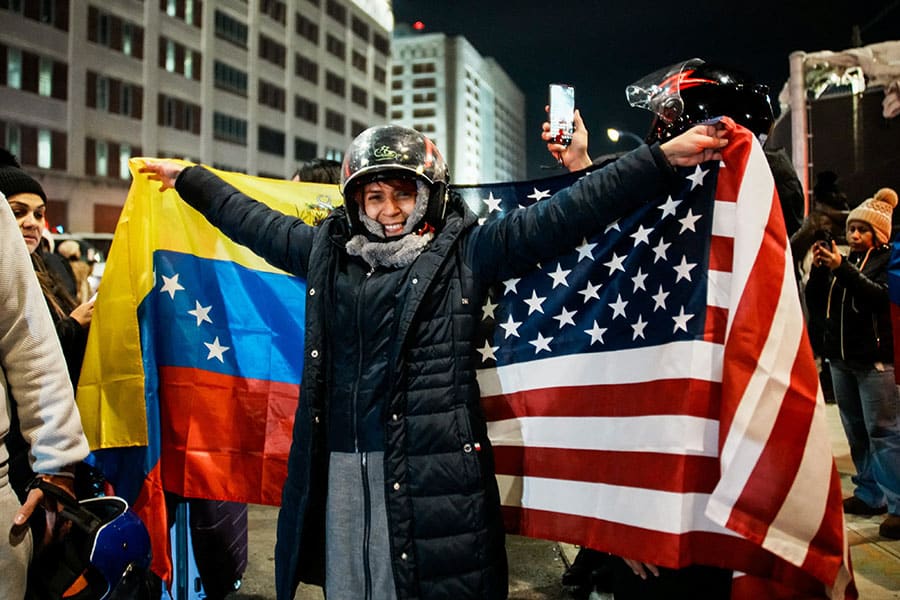
Venezuela faces a compounding humanitarian and economic crisis as the nation grapples with the aftermath of recent seismic activity occurring against a backdrop of prolonged economic instability. While the country had shown signs of modest macroeconomic stabilization in recent years, the intersection of infrastructure damage and existing governance challenges has prompted urgent international discourse regarding the potential for external aid and the role of the United States in facilitating relief efforts.
According to data from the International Monetary Fund, Venezuela’s economy underwent a severe contraction over the last decade, characterized by hyperinflation and a collapse in oil production. Although recent policy shifts—including the easing of some price controls—led to a slight recovery in consumer activity, the country remains highly vulnerable to external shocks. The recent geological instability has further strained a power grid and public infrastructure already weakened by years of underinvestment and political polarization, as reported by the World Bank.
The Impact of Seismic Events on Fragile Infrastructure
The recent earthquakes have highlighted the precarious state of Venezuela’s built environment. In regions where maintenance of public utilities has been deferred for years, the structural integrity of residential and industrial buildings remains a significant concern. Reports from local civil society organizations, often cited in international updates, indicate that even moderate seismic activity can cause disproportionate damage to aging electrical grids and water distribution systems.

The economic cost of such disasters in a nation already struggling with limited foreign exchange reserves is substantial. As noted by the Economic Commission for Latin America and the Caribbean (ECLAC), disaster recovery in developing economies often requires external financing, yet Venezuela’s access to international credit markets remains severely restricted by ongoing financial sanctions and unresolved debt obligations. The lack of robust insurance markets further complicates the ability of private citizens and small businesses to rebuild without state support, which currently faces its own fiscal constraints.
Geopolitical Dimensions of International Aid
Expectations are rising regarding how the United States might engage in humanitarian assistance. The U.S. government maintains a complex relationship with the administration in Caracas, defined by a series of sanctions aimed at pressuring the government toward democratic reforms. However, humanitarian exemptions have historically existed within these frameworks, allowing for the delivery of food, medicine, and disaster relief through non-governmental organizations and international bodies like the United Nations.

Policy analysts suggest that the current situation presents a dilemma for international stakeholders: providing aid is necessary to prevent a deeper humanitarian catastrophe, yet donors must navigate the challenge of ensuring that resources reach affected populations without strengthening the administrative apparatus of a government that many Western nations do not recognize as legitimate. According to the U.S. Department of State, the United States remains the largest donor of humanitarian aid for the Venezuelan crisis, primarily targeting the needs of refugees and migrants throughout the Latin American region.
Economic Outlook and Recovery Challenges
Before the recent earthquakes, the Venezuelan economy had begun to show signs of a “dollarized” recovery, where the circulation of foreign currency allowed for a return of basic goods to store shelves. However, this growth was uneven and largely confined to urban centers. The current seismic disruption threatens to stall this momentum by inflating the cost of essential imports and disrupting supply chains that were already operating at low capacity.
To address these challenges, experts point to the need for a comprehensive structural reform plan, which includes the restoration of institutional independence and transparency in public spending. As detailed in reports by the Transparency International corruption index, the lack of accountability in public works projects has historically resulted in infrastructure that fails to meet modern safety codes, exacerbating the impact of natural disasters when they occur.
What Happens Next
The immediate path forward depends on the assessment of damage currently being conducted by local authorities and international humanitarian partners. The next checkpoint for international observers will be the publication of formal damage assessments by the United Nations Office for the Coordination of Humanitarian Affairs (OCHA), which will likely determine the scale of the required global response.
While discussions regarding aid continue, the primary focus for the international community remains the stabilization of basic services for the most vulnerable populations. Further updates on the deployment of aid packages and the U.S. response strategy are expected in the coming weeks as government and non-governmental entities evaluate the extent of the humanitarian need. We encourage our readers to monitor official statements from the UN and relevant humanitarian agencies for the most accurate and up-to-date information regarding recovery efforts.
What are your thoughts on the international response to the crisis in Venezuela? Join the conversation in the comments section below and share this report to help keep the focus on the humanitarian needs of the region.