
Ground crews at international airports are managing extreme weather conditions this summer as heatwaves sweep across Europe, with temperatures on tarmac surfaces frequently reaching 40 degrees Celsius or higher. For aviation workers like Florian, a ramp agent responsible for loading aircraft, these conditions represent a significant physical challenge that complicates standard ground operations. According to industry safety guidelines from the International Air Transport Association (IATA), ground handling staff must balance strict turnaround schedules with personal heat-stress mitigation strategies.
Working directly on the tarmac exposes staff to not only ambient air temperature but also intense radiant heat reflected from concrete and metal surfaces. Aviation safety experts note that the heat intensity near jet engines and aircraft fuselages can exceed official meteorological forecasts by several degrees. While many workers express a preference for summer heat over winter operations involving ice and snow, the physiological strain of working in full protective gear during prolonged heatwaves necessitates frequent rest cycles and mandatory hydration protocols under occupational health and safety standards.
The Physical Demands of Tarmac Operations
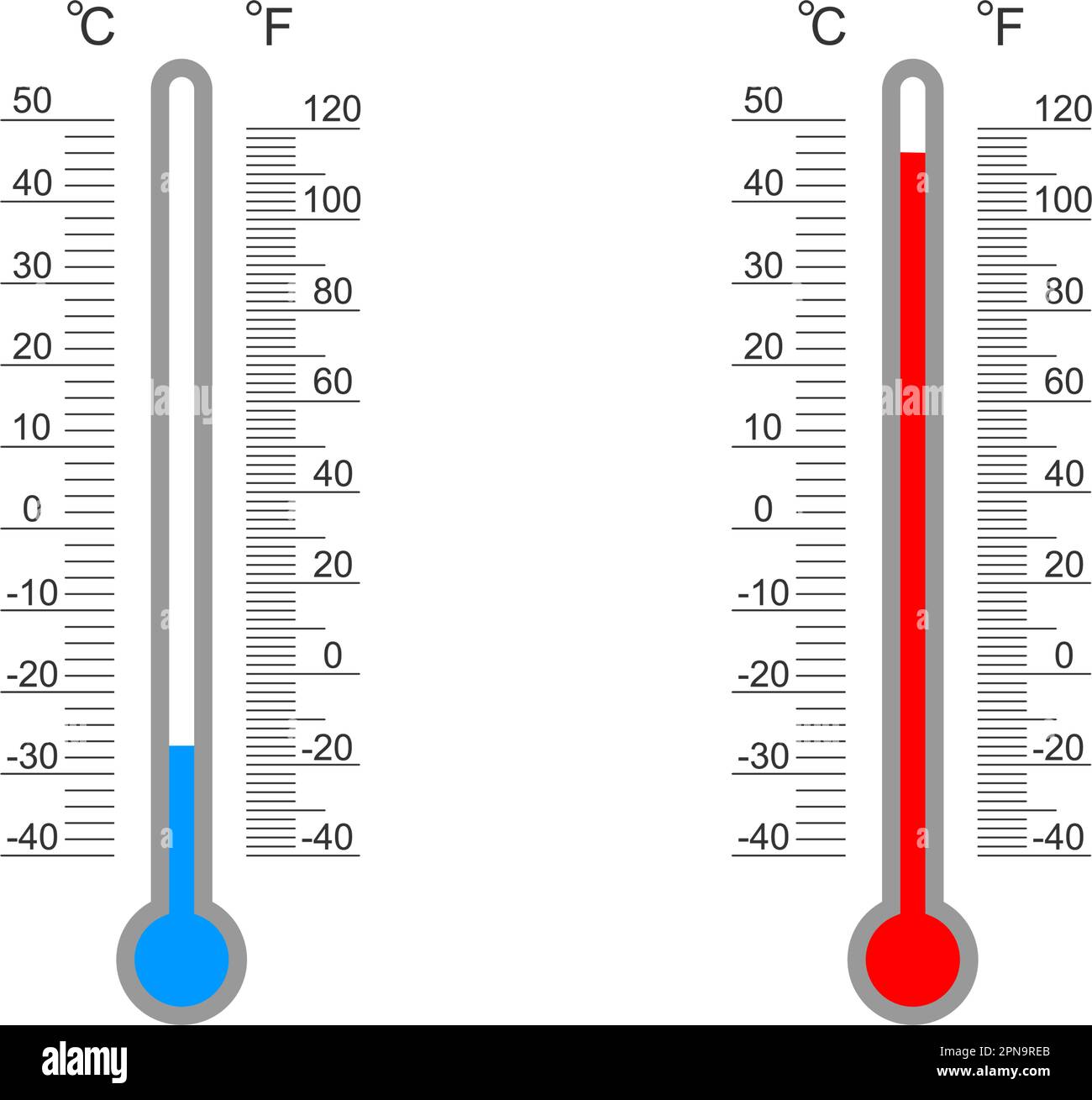
The role of a ramp agent involves strenuous activity, including the manual lifting of luggage and the operation of heavy machinery, all while remaining in constant proximity to operating aircraft. In temperatures hitting 40 degrees Celsius, the risk of heat exhaustion for ground personnel is a primary concern for airline operators. Employers are required by European Union workplace safety directives to ensure that staff have access to shade, cool water, and regular breaks to prevent heat-related illness, as outlined in the European Agency for Safety and Health at Work guidelines.
For ground crew members, the preference for summer conditions—often cited as “better than cold and snow”—is rooted in the logistical difficulties of winter de-icing and the increased risk of slips and falls on icy surfaces. However, the intensity of recent summer heatwaves has forced a re-evaluation of shift patterns. Many airports have implemented “heat plans” that include:
- Increased frequency of hydration breaks.
- Rotating staff tasks to minimize time spent in direct, unshaded sunlight.
- Utilization of specialized cooling vests where permitted by safety regulations.
- Adjusting turnaround times to allow for slower, more cautious ground movements.
Balancing Aviation Safety and Staff Welfare
The safety of ground operations is intrinsically linked to the health of the personnel involved. Fatigue caused by heat stress can lead to errors during cargo loading or ground vehicle maneuvering. According to the European Union Aviation Safety Agency (EASA), maintaining a safe environment requires a multi-layered approach that accounts for both the mechanical safety of the aircraft and the human factors affecting the ground crew. Airlines and ground handling companies are increasingly using real-time weather monitoring to adjust work intensity.
While the physical labor remains demanding, the aviation industry continues to invest in ground support equipment (GSE) that reduces the manual effort required to load baggage. Automated loaders and conveyor systems are standard at most major hubs, though they do not eliminate the need for personnel to work in the high-heat environment of the aircraft hold and the ramp area. The industry’s ability to maintain on-time departures during peak heat depends heavily on these human-machine interfaces.
Impact of Climate Trends on Ground Work
Recent meteorological data indicates that heatwaves are becoming more frequent and intense across the continent, prompting airports to adapt their long-term infrastructure. Beyond immediate staff welfare, extreme heat can also impact aircraft performance, as air density decreases at higher temperatures, affecting takeoff weights and runway requirements. The World Meteorological Organization reports that these shifting climate patterns are a growing variable in global transport planning, requiring airports to invest in better climate-controlled rest areas for staff and improved cooling systems for ground equipment.

As the summer season progresses, airport authorities and labor unions remain in contact regarding the effectiveness of existing heat-protection measures. The next phase of operational updates is expected as regional labor regulators review end-of-season health and safety reports. Readers are encouraged to monitor local airport authority announcements for updates regarding ground operation protocols and to share their own experiences with workplace safety in extreme temperatures in the comments below.
Keep reading