
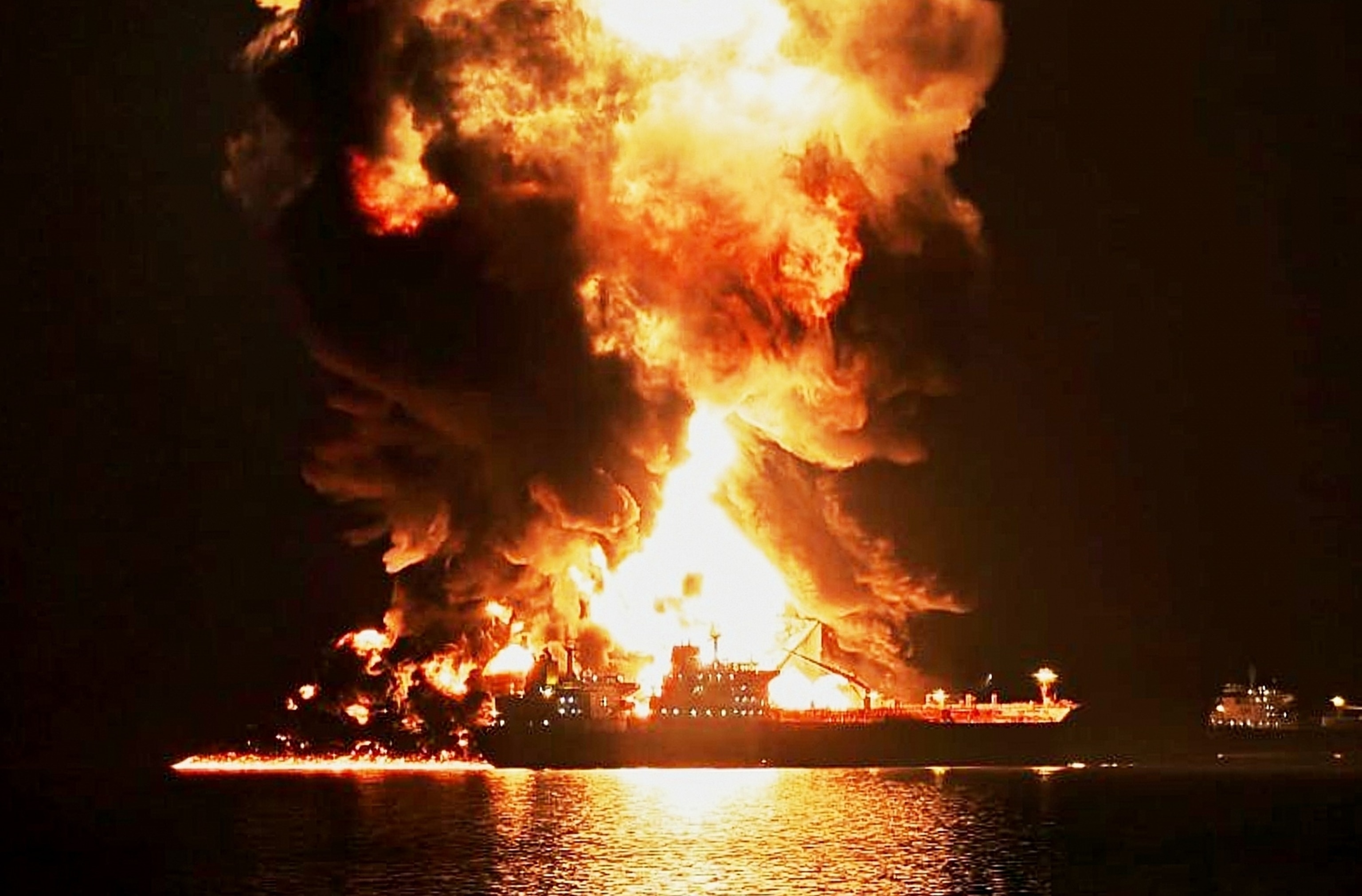
The United States military launched a series of targeted airstrikes against Iranian-backed positions on the 120th day of the ongoing regional conflict, marking a significant escalation following a reported attack on a commercial vessel in the Strait of Hormuz. Tehran has formally condemned the operation, characterizing the U.S. military action as a direct violation of a previously established Memorandum of Understanding (MoU) intended to de-escalate maritime tensions. The situation remains fluid as both nations trade accusations regarding ceasefire compliance and territorial sovereignty.
As the conflict enters this new phase, the primary point of contention centers on the status of the Strait of Hormuz, a critical global shipping corridor. According to reports from the U.S. Conversely, Iranian officials have maintained that their regional posture remains defensive, arguing that the U.S. intervention serves to destabilize the fragile diplomatic framework that has governed military interactions in the area.
The Diplomatic Fallout Over the Memorandum of Understanding
The central diplomatic dispute involves the validity and interpretation of the Memorandum of Understanding. Tehran’s Ministry of Foreign Affairs issued a statement asserting that the U.S. strikes constitute a breach of the agreement, which was designed to prevent direct military confrontation in the Persian Gulf. The Iranian government claims that the U.S. failed to provide the required notification regarding the scope and intent of the military operations, thereby undermining the communication channels established to avoid accidental war.
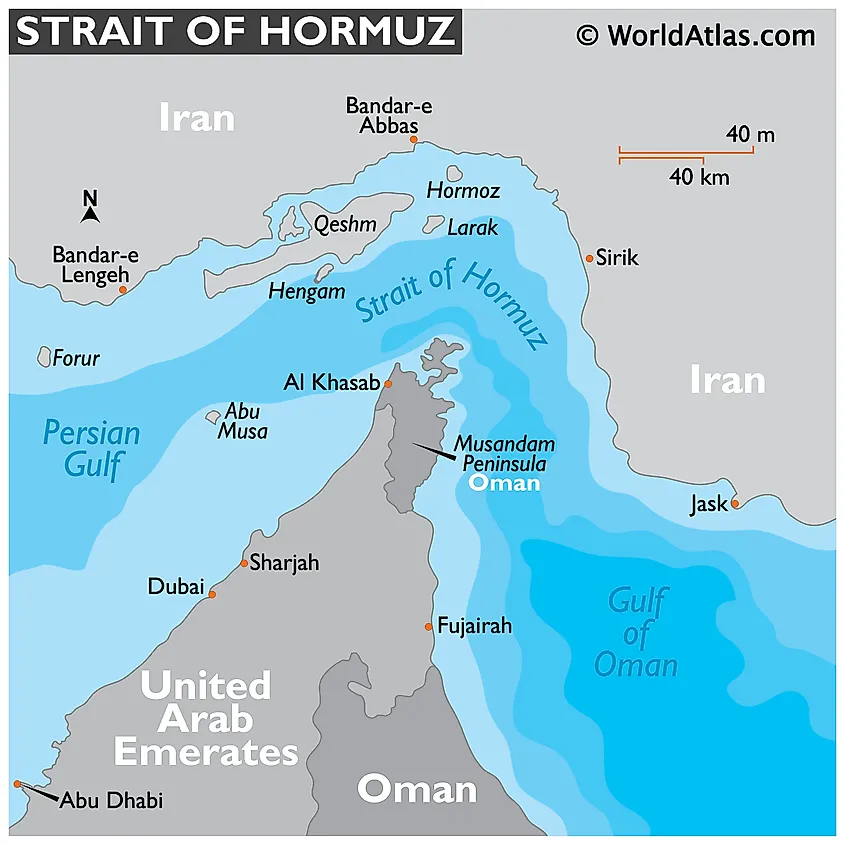
International observers note that the MoU, which has faced repeated tests since its inception, was intended to serve as a primary de-escalation tool. However, the U.S. administration has pushed back against these claims, with senior officials stating that the agreement is predicated on the cessation of hostilities against international shipping. According to recent briefings from the White House, the U.S. maintains that Iran’s actions in the Strait of Hormuz have already rendered the specific provisions of the agreement void, justifying a shift in military posture.
Escalation in the Persian Gulf and Regional Impact
The geopolitical tension has expanded beyond the immediate U.S.-Iran friction. Reports from the Kingdom of Bahrain indicate that the country was targeted by Iranian drones, adding a new layer of complexity to the 120-day crisis. The Bahraini government has expressed concern over its national security, citing a series of aerial incursions.
The following table summarizes the primary points of tension reported by regional and international observers:
| Event/Claim | U.S. Position | Iranian Position |
|---|---|---|
| Strait of Hormuz Attack | Attributed to Iran; justifies retaliation. | Denies involvement; calls U.S. claims “pretext.” |
| Memorandum of Understanding | Claims Iran violated ceasefire terms. | Claims U.S. airstrikes violate the MoU. |
| Bahrain Drone Incursions | Supports Bahraini sovereignty claims. | Denies direct state involvement. |
The impact of these developments on global energy markets has been immediate. The Strait of Hormuz serves as a transit point for approximately 20% of the world’s petroleum consumption, and any prolonged military activity in the region creates significant uncertainty for international shipping insurers and energy exporters. The vulnerability of this “chokepoint” remains a security concern for global supply chains.
Looking Toward Future De-escalation Efforts
As of day 120, there is no confirmed date for a new round of high-level diplomatic talks aimed at salvaging the MoU. The international community, including regional mediators, has urged both Washington and Tehran to utilize existing hotlines to prevent a wider conflict. The U.S. military has stated it will continue to monitor regional activity and maintain a defensive presence to protect freedom of navigation, while Iran has indicated it reserves the right to respond to what it terms “acts of aggression.”
Readers seeking official updates on maritime security advisories are encouraged to monitor the U.S. Maritime Administration (MARAD) for the latest notices to mariners regarding the Persian Gulf. Further developments regarding the diplomatic status of the MoU are expected to be addressed in upcoming sessions at the United Nations Security Council, where member states have expressed growing concern over the potential for a broader regional contagion. We will continue to track these developments as official statements are released.
For ongoing coverage of this developing story, please follow our international news section and join the conversation in the comments below.
- European News Today: Breaking Stories & Latest Updates | August 13, 2026
- Major Wildfire in Wellin Destroys 40 Hectares Amid Severe Drought in Belgium
- Iran Disputes Trump Claims as Strait of Hormuz Traffic Plummets (newsdirectory3.com)
- Deadly Houthi Red Sea Attack: 3 Crew Members Killed on Cargo Ship (archyworldys.com)