
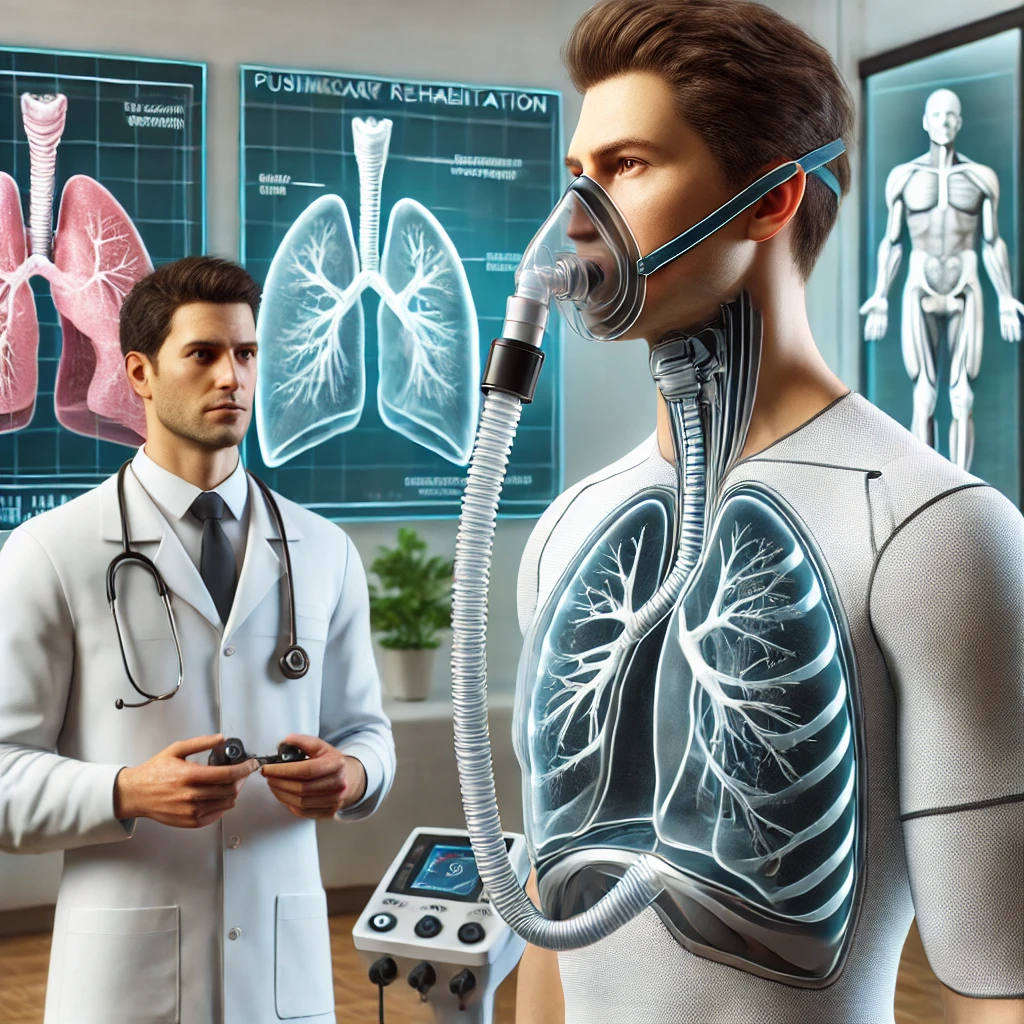
Specialists and local institutions in Siracusa have launched a coordinated effort to address the critical shortage of respiratory rehabilitation services for patients suffering from chronic conditions. As the demand for post-acute care rises, health authorities are working to bridge the existing gap in care, ensuring that citizens with long-term pulmonary issues receive consistent, high-quality therapeutic support. This initiative aims to standardize access to physical and respiratory therapy across the region, which has historically faced challenges in resource allocation for chronic disease management.
Respiratory rehabilitation is a multidisciplinary intervention that includes exercise training, education, and behavioral change, designed to improve the physical and psychological condition of people with chronic respiratory disease. According to the European Respiratory Society, these programs are essential for reducing hospital readmissions and improving the daily quality of life for patients with conditions such as COPD (Chronic Obstructive Pulmonary Disease) and pulmonary fibrosis. In the context of Siracusa, local stakeholders are emphasizing the necessity of integrating these services into the primary care infrastructure to prevent the deterioration of patient health due to lack of specialized follow-up.
Addressing the Care Gap in Siracusa
The current push for improved respiratory services in Siracusa stems from an identified need to provide continuous care for patients who have been discharged from acute hospital wards. Many patients with chronic respiratory ailments often struggle to access specialized rehabilitation centers, leading to a “revolving door” effect where patients are frequently readmitted to emergency departments. By fostering a dialogue between medical specialists and institutional policymakers, regional health planners are seeking to establish a more robust network of care providers.

Health administrators are currently evaluating the available capacity within local health units (ASP Siracusa) to determine where additional resources—such as specialized physiotherapists and respiratory equipment—are most needed. The focus is on creating a tiered system of care, where stable patients can receive rehabilitation in local outpatient settings, while those with more complex needs are managed by specialized hospital teams. This strategic approach aligns with national efforts in Italy to decentralize care and bring services closer to the patient’s home, as outlined by the Italian Ministry of Health in its recent guidelines for the management of chronic diseases.
The Clinical Importance of Respiratory Rehabilitation
From a clinical perspective, the intervention is far more than physical exercise. It involves a comprehensive assessment of the patient’s lung function and overall health status. According to guidelines published by the American Thoracic Society, effective programs must include individualized treatment plans that address nutritional, psychological, and physiological aspects of the disease. For the patient, this can mean the difference between maintaining independence and requiring permanent assistance.
The medical community in Sicily has noted that delays in rehabilitation can lead to muscle atrophy and increased dependency on supplemental oxygen. By prioritizing these services, the health authorities in Siracusa hope to alleviate the long-term economic burden on the healthcare system. Reducing the frequency of acute exacerbations—which are often the most costly events for a public health system—remains a primary objective of this institutional collaboration.
Next Steps for Regional Health Planning
The dialogue between practitioners and policymakers is ongoing, with further meetings expected to finalize the distribution of funding and the hiring of specialized personnel. The next checkpoint for this initiative will involve a formal review by the regional health department regarding the procurement of new diagnostic and rehabilitation technologies. These tools are necessary to monitor patient progress and ensure that the interventions provided meet established clinical standards.

For patients and their families, the primary point of contact for updates remains the local health authority (ASP) office, which is tasked with coordinating the roll-out of these enhanced services. Public engagement will be crucial as the program expands, and health officials have encouraged patient advocacy groups to participate in upcoming consultative sessions. As the region moves toward a more structured model of care, the focus remains on ensuring that no patient is left without the support required to manage chronic respiratory distress effectively.
We invite our readers to share their thoughts on the development of local health services and how these improvements might impact the community. You can contribute to the conversation in the comments section below.