
The Hockey Hall of Fame selection committee will begin the formal process of evaluating candidates for the Class of 2027 in the coming months, following the recent induction of the 2026 class in Toronto. As the sport turns its attention toward future honorees, the focus shifts to a new wave of eligible players, including high-profile stars who retired at the conclusion of the 2023-24 National Hockey League season.
According to the official Hockey Hall of Fame induction rules, players become eligible for selection three full regular seasons after their final appearance in a professional game. This waiting period ensures that the committee, composed of distinguished hockey figures, can assess a candidate’s career with the necessary historical perspective. For the 2027 cycle, this means any player who last skated in the NHL during the 2023-24 season is now officially on the radar.
Key Candidates for the Class of 2027
The most prominent name surfacing in early discussions for the Class of 2027 is veteran forward Jeff Carter. After announcing his retirement at the end of the 2023-24 campaign, Carter concluded a storied 19-season career that included two Stanley Cup championships with the Los Angeles Kings and an Olympic gold medal with Team Canada. His resume, which includes over 800 career NHL points, makes him a primary subject for the selection committee’s review, as reported by NHL.com.
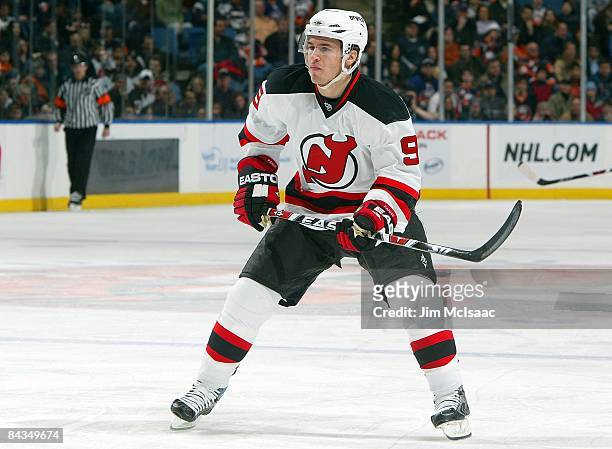

Another player expected to draw significant consideration is Zach Parise. Parise, who also stepped away from the ice following the 2023-24 season, finished his career with 889 points in 1,254 regular-season games. His consistency as a two-way forward and his role as a long-time captain for the New Jersey Devils serve as major pillars for his candidacy. The committee typically weighs both statistical production and leadership contributions when deliberating for the Player category.
Beyond these notable forwards, the committee will evaluate the eligibility of several high-impact defensemen and goaltenders who also closed their careers in 2024. The selection process remains highly exclusive, with a maximum of four players permitted for induction in any single year, ensuring that only those who have demonstrated significant impact on the sport are enshrined.
Understanding the Induction Process
The Hockey Hall of Fame selection committee operates under a strict set of protocols to maintain the integrity of the institution. The committee is comprised of 18 members, including former players, coaches, and media members who possess deep knowledge of the game’s history. To be elected, a candidate must receive support from at least 75 percent of the committee members present at the annual meeting.
While the focus is often on the players, the committee also considers candidates in the “Builder” and “Official” categories. Builders are individuals who have made significant contributions to the game of hockey outside of playing, such as general managers, owners, or coaches. According to the Hockey Hall of Fame official portal, there is no set waiting period for individuals in the Builder category, allowing the committee to recognize impact as it occurs.
The selection committee meets annually, typically in the summer, to finalize the class. Once the results are tabulated, the chairman of the board makes the announcement, which is followed by the formal induction ceremony in Toronto in November. This timeline has remained consistent for decades, providing a predictable rhythm for fans and analysts alike.
Historical Precedent and Statistical Trends
When analyzing potential inductees, observers often look to the statistical benchmarks set by previous classes. The average Hall of Fame forward historically maintains a point-per-game pace or possesses significant hardware, such as Hart Trophies or multiple Stanley Cup rings. However, the committee has also shown a willingness to induct players who defined eras of the game through their physical presence or specialized roles.

Comparing the 2027 outlook to the recently inducted 2026 class highlights the committee’s evolving criteria. Modern inductees are increasingly evaluated using advanced analytics alongside traditional counting statistics. For instance, the transition from counting goals and assists to measuring a player’s impact on puck possession and defensive zone efficiency has become a standard part of the modern selection discourse.
As of early 2025, the Hockey Hall of Fame has not released the official list of nominees for 2027, as the nomination process is private and internal. Fans and media members often speculate on the potential ballot, but the final decision remains with the committee. The next confirmed checkpoint for the public will be the announcement of the 2027 class, which is expected to occur in June 2027.
For those interested in following the selection process as it develops, official updates are regularly posted through the Hockey Hall of Fame website. Readers are encouraged to share their thoughts on the upcoming class in the comments section below.
Keep reading
- Wales Celebrates Commonwealth Games Success in Glasgow: Aled Sion Davies and Olivia Breen Reflect
- LA Lakers Sold for Record $12.5B in Shocking Weekend Deal Agreed by Josh Kushner and Bob Iger
- Vermont Mountaineers vs. Valley Blue Sox: July 23, 2026 Baseball Preview (news-usa.today)
- Emmerdale Spoiler Alert: Mack and Ross’s Relationship in Shambles – What’s Next for the Torrey Twins? Emmerdale Latest Drama, Mack and Ross Change, Ross Griffin Update (archyworldys.com)